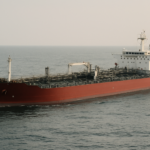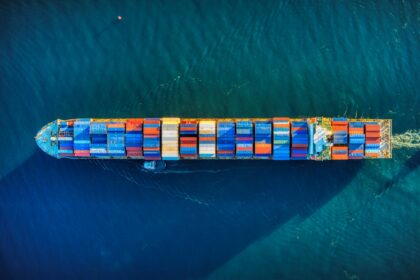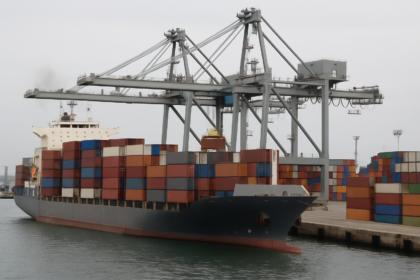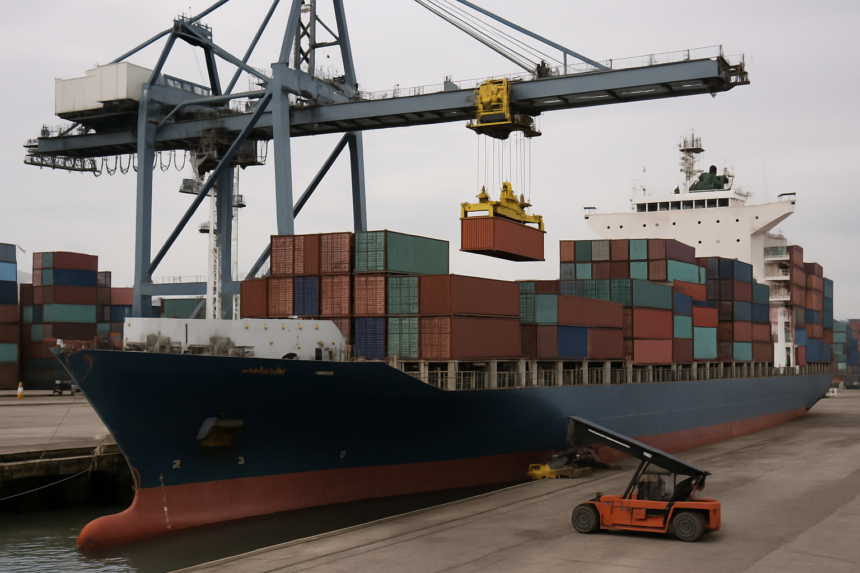
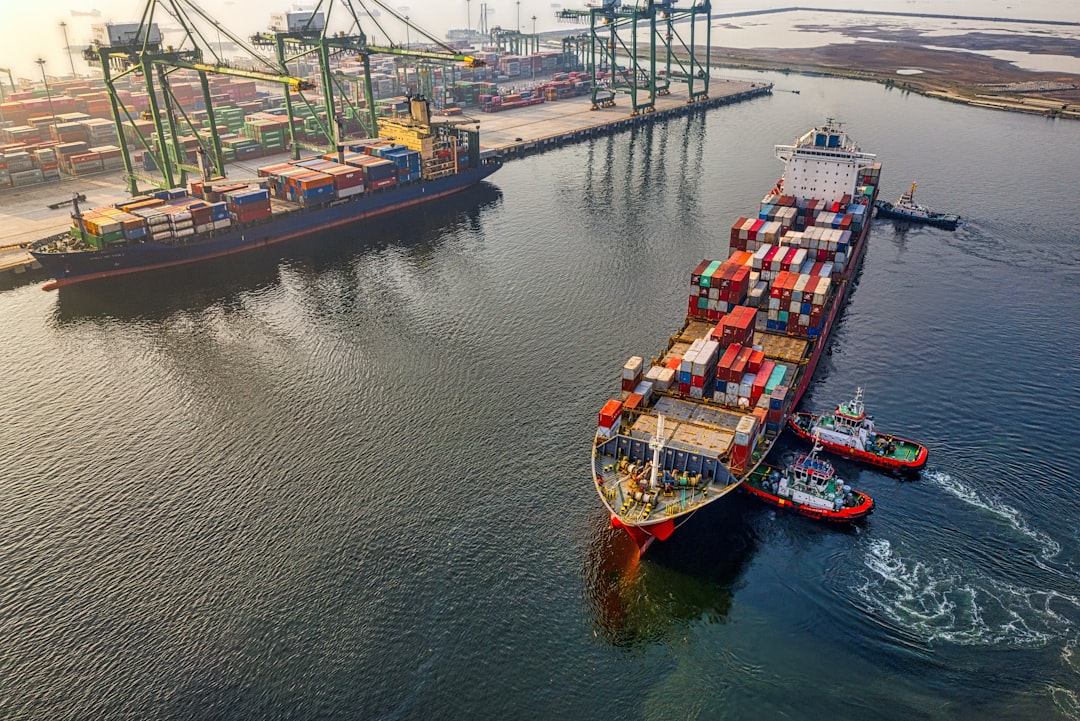
Tailwind Shipping Lines has officially registered its containership, Panda 001, under the German flag, marking a historic moment for the inland city of Heilbronn as it becomes a home port for its first oceangoing vessel. The Panda 001 has a capacity of 5,527 TEU, symbolizing Tailwind’s commitment to expanding its operational footprint within the container shipping segment.
The Significance of Heilbronn
Heilbronn, located along the Neckar River in southern Germany, traditionally operated as an inland city without direct maritime shipping activities. The registration of Panda 001 transforms Heilbronn’s maritime infrastructure and logistics capabilities, paving the way for future developments in the region. This move could enhance local economic prospects, potentially positioning Heilbronn as a logistical hub more integrated into global shipping routes.
Strategic Industry Shift
As part of Lidl’s broader strategic initiatives, Tailwind Shipping Lines aims to improve supply chain efficiency by leveraging maritime transport. With the adoption of the German flag, the company seeks compliance with the European Union’s stringent regulations concerning shipping safety and environmental standards, which could enhance its operational credibility and attract partnerships within the maritime sector.

Behind the Headline
The registration of Panda 001 under the German flag illustrates a growing trend of inland cities pursuing maritime capabilities to improve logistical efficacy. For operators, this development may introduce new logistical pathways, potentially leading to reduced transportation costs and enhanced service delivery timelines. It also reflects a shift in the global shipping landscape toward increased regionalization and the necessity for compliance with evolving regulatory standards. The move could encourage similar initiatives from other inland municipalities seeking to tap into the maritime economy, thus reshaping local and regional shipping dynamics in the process.