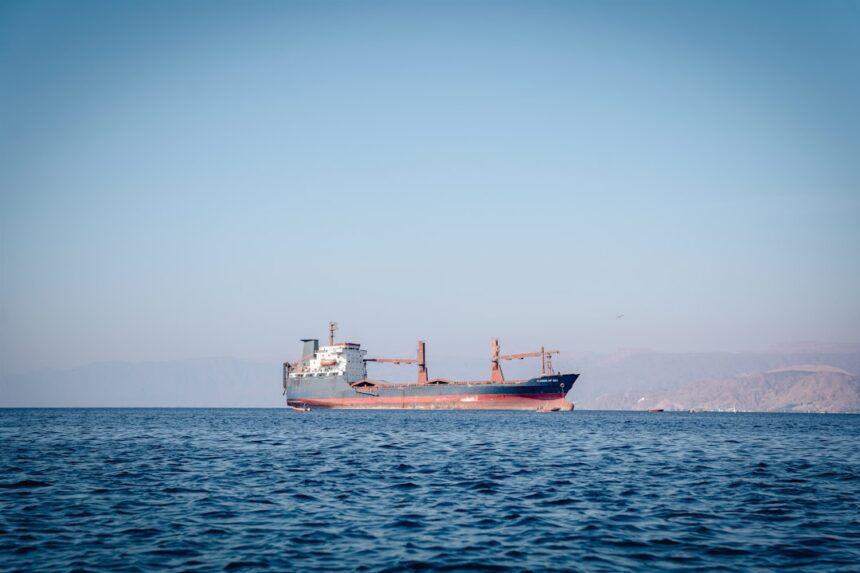
Recent reports indicate that a Ukrainian attack on an Iranian vessel accused of transporting military cargo to Russia has transformed perceptions of risk in the maritime sector, particularly in the Caspian Sea. This incident signifies a critical juncture for shipowners, who previously considered this area secure from conflict-related disturbances.
Impact on Risk Assessment
The attack highlights how the ongoing conflict in Ukraine has expanded its geographical implications, intertwining conflicts in both the Ukraine and Middle East theatres. Historically, the Caspian Sea was seen as a quiet bastion for maritime operations, insulated from the broader geopolitical tensions affecting shipping routes elsewhere.
Insurance underwriters now confront the challenge of adapting their risk models to account for this emerging threat landscape. The attack not only shifts the existing risk calculus for operations in the Caspian but also provokes questions about the adequacy of current war risk coverage for vessels operating in and around the region.

Operator Responses and Market Reactions
In light of the new reality, operators may be compelled to reevaluate their voyages and insurance policies, taking into consideration the volatile security environment that now envelops the Caspian Sea. This reassessment could lead to increased operational costs as higher insurance premiums become the norm.
Moreover, the incident raises concerns across the shipping industry about the reliability of traditional maritime routes. If the Caspian Sea can no longer be deemed secure, vessel routing and logistics may need to adapt to mitigate potential threats, which could significantly impact operational efficiency and overall market dynamics.
The Operational Read
The escalation of risk in the Caspian Sea serves as a reminder of the interconnectedness of geopolitical conflicts and their direct implications on maritime operations. Shipowners and operators must closely monitor developments in this area and proactively engage with war-risk underwriters to ensure adequate levels of protection. The evolving landscape will require real-time risk assessments and possibly increased cybersecurity measures to safeguard vessels from emerging threats. As the situation develops, the potential for a ripple effect on chartering arrangements and cargo transport cost management cannot be discounted, making vigilance essential for all maritime stakeholders.