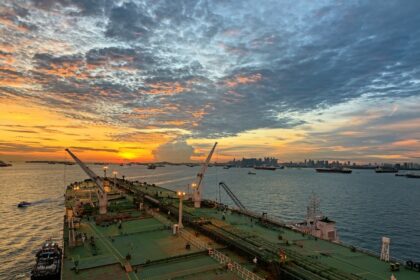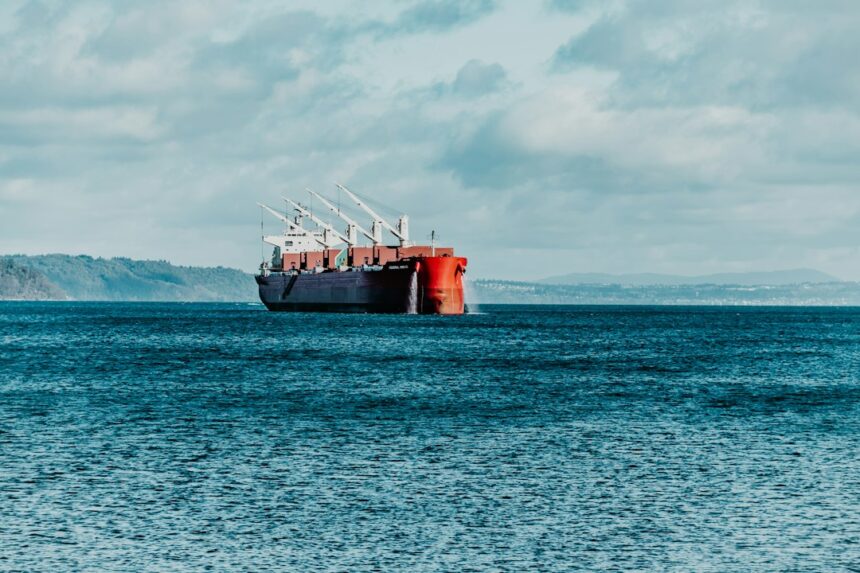
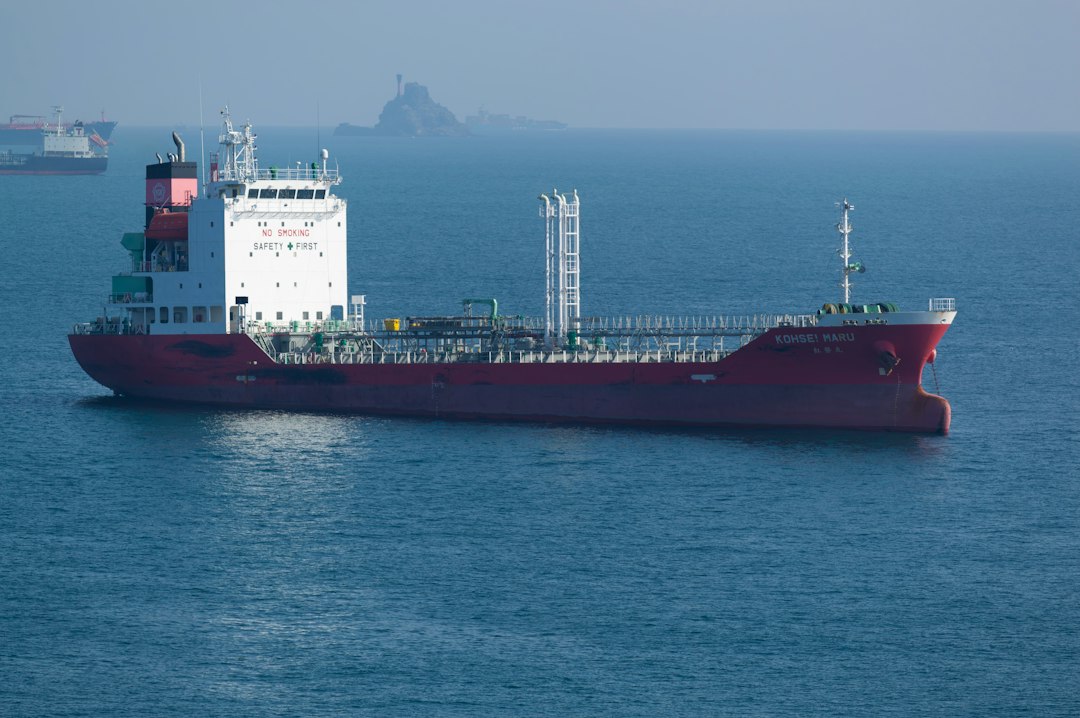
US banking titan JP Morgan has signed contracts for the construction of two very large crude carriers (VLCCs) with Hanwha Ocean in South Korea. This strategic maneuver amplifies the lender’s presence in the maritime sector, bringing its total orderbook of crude tankers to twelve vessels, a robust expansion in light of current market dynamics.
Details of the Orders
The deal, which includes a price tag of KRW356.8 billion (approximately $267 million), reinforces JP Morgan’s commitment through its maritime investment arm. The two newbuilds will be designed to meet the latest shipping and environmental regulations, enhancing operational efficiency and compliance with emerging industry standards.
Market Implications
As global crude oil demand persists, the deployment of these additional VLCCs underscores JP Morgan’s strategic alignment with market needs, aiming to capitalize on the anticipated growth in crude transportation. These investments are made amid fluctuating oil prices and increased environmental scrutiny, positioning JP Morgan favorably within the evolving landscape of maritime logistics.

Behind the Headline
JP Morgan’s expansion into the VLCC segment reflects a calculated strategy to leverage the rebound in crude oil transportation amid recovering global demand. The integration of newly constructed vessels into the fleet also indicates a forward-thinking approach to fleet optimization, emphasizing environmental standards and operational efficiency. For operators and charterers, this development may signal an intensified competition in the tanker market, potentially influencing charter rates and availability in the near term. Stakeholders should monitor trends in crude demand and operational efficiencies as pivotal factors shaping the future of tanker operations.