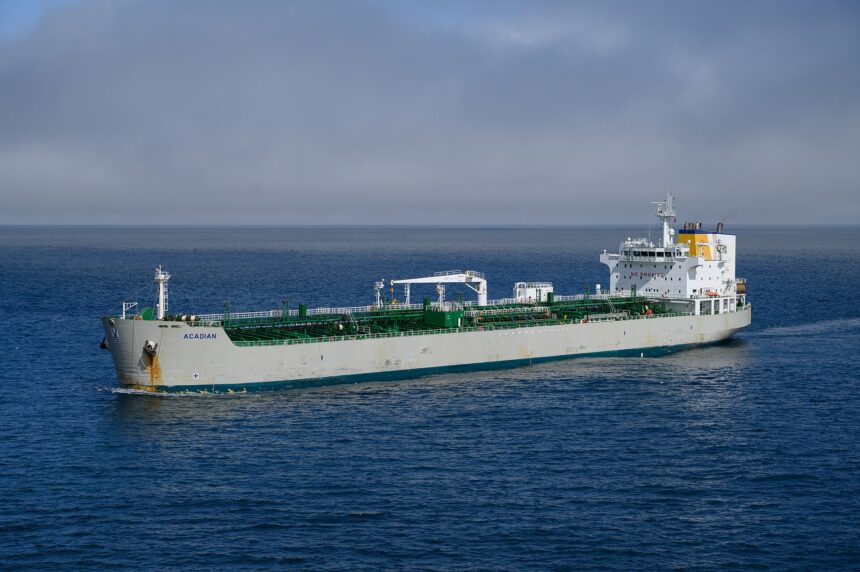
On Thursday, a missile attack on the Marshall Islands-flagged tanker MT Velos Sapphire resulted in the death of one seafarer, as confirmed by the vessel’s management firm, Velos Tankers. The incident occurred in the Gulf while the tanker was sailing unladen toward Bahrain.
The Incident
According to a statement from Velos Tankers, the company expressed deep sorrow over the fatal injury of its crew member, initially reported missing following the explosion. The crew successfully extinguished a fire ignited by the missile strike, and fortunately, no further injuries have been reported among the remaining personnel onboard.
The MT Velos Sapphire has been taken to Khalifa Bin Salman Port in Bahrain for an assessment of the damage to its hull. An investigation into the incident is underway, but the specific details surrounding the missile strike remain unclear at this time.


Market Impact
This violent incident raises significant concerns regarding the security of vessels operating in the Gulf, a crucial corridor for global maritime trade. The death of a seafarer in such an attack may lead to increased scrutiny and adjustments in operational protocols among shipping companies navigating the region.
Furthermore, the operational readiness of tankers and other vessels in the area could be impacted as operators face heightened concerns about potential risks while transiting through conflict-prone waters. Additional risk assessments and possible changes to routing strategies may emerge as a direct response to this unfortunate event.
Operator Response
Velos Tankers has committed to cooperating with ongoing investigations and ensuring the safety of its remaining personnel. As this incident unfolds, the maritime community is urged to remain vigilant as geopolitical tensions continue to pose threats to commercial shipping operations. Discussions about enhancing security measures in the Gulf region are likely to gain prominence among industry stakeholders.
The Operational Read
The recent missile attack on the MT Velos Sapphire underlines the precarious environment in which maritime operators currently function. With shipping routes in the Gulf facing increased risks, operators may need to implement enhanced security protocols, including vigilant route planning and potential use of armed security personnel or convoy systems. The maritime insurance sector may also see shifts in policy terms, particularly regarding war-risk premiums, as companies seek to safeguard their assets and crews. It will be important for operators to monitor regional developments closely to mitigate operational risks effectively.