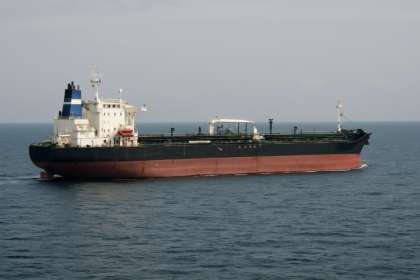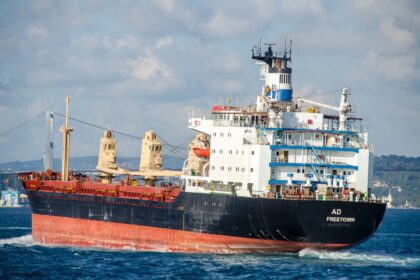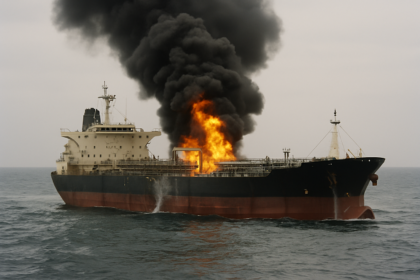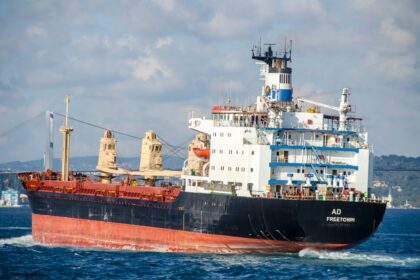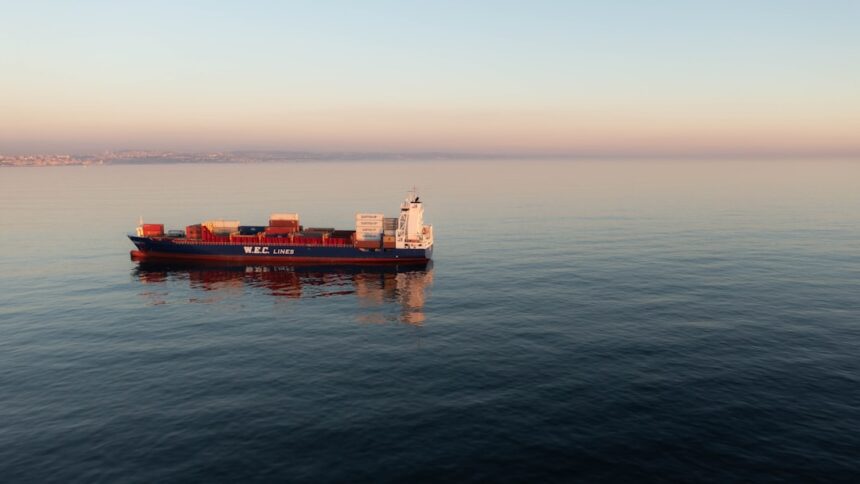
Russian officials have unveiled a controversial proposal to arm grain vessels in the Sea of Azov with military weapons, including machine guns and mobile missile launchers, as a response to increasing Ukrainian drone attacks. This initiative is being discussed between military and transport authorities in Russia and stakeholders in the grain shipping sector.
Impact on the Grain Trade
The Sea of Azov is pivotal for Russia, handling approximately a quarter of its grain shipments. However, trade has been hindered recently, with operations suspended due to strikes targeting ports and vessels. The proposed security enhancements reflect the urgent need to protect this multi-billion-dollar export sector, especially during peak harvest time.
Authorities suggest modifications such as armor plating and anti-drone mesh for vessels, alongside deploying armed military escorts for the initial stages of voyages. Soldiers equipped with Kalashnikovs are expected to accompany ships until they navigate through the Kerch Strait, at which point the armaments would be removed.

Military and Market Reactions
Despite the Kremlin’s assertion that these protective measures are justified, skepticism remains among shippers and traders regarding their effectiveness and potential costs. The current halt in commercial vessel traffic contributes to fears that Russia might lose between 0.5 million and 1.5 million tons of grain exports per month if conditions continue unmitigated. An analytical firm, Logistic OS, reports that port activities in the Sea of Azov have come to a standstill.
Furthermore, the situation is further complicated by Ukrainian trade disruptions following Russian strikes on its Black Sea ports, specifically in Odesa, exacerbating the challenges faced in supplying global markets. While Russia seeks alternative shipping solutions, including using rail subsidies to channel cargo through deeper Black Sea ports, the declared threats facing these waters raise significant operational concerns.
The Operational Read
The proposed arming of grain vessels highlights the escalating risk factors in the region, fundamentally altering the operational landscape for shipping companies. The adherence to safety measures, combined with military involvement, could shift shipping logistics, potentially increasing laytime and demurrage costs for operators. Additionally, should these military policies go into effect, they could invite scrutiny under international maritime law, complicating legal compliance while navigating these waters. Monitoring developments in military deployments and responses from Ukrainian forces will be essential for stakeholders aiming to maintain security and operational viability in this high-stakes environment.