Update 08 Jun 2026, 08:37 UTC:
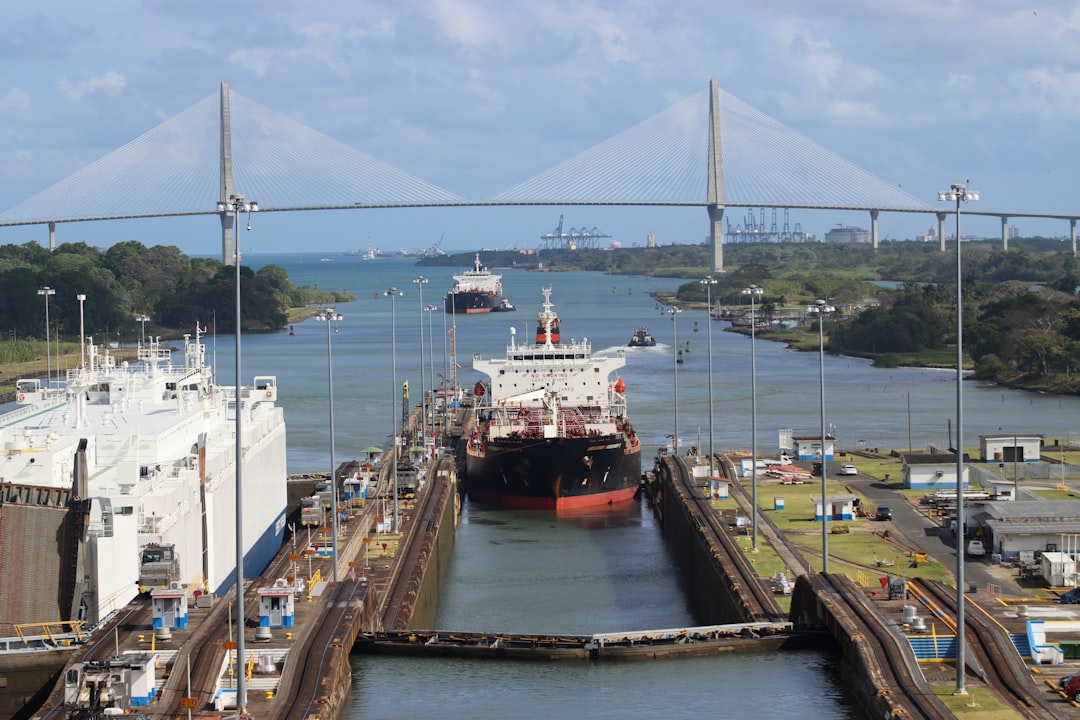
The Panama Canal Authority (ACP) has announced a significant reduction in the maximum authorized draft for vessels using the neopanamax locks, effective July 3. This action, aimed at addressing ongoing water shortages, is anticipated to exacerbate concerns over the potential disruption of shipping operations reminiscent of the severe drought crisis encountered in recent years.
Impact on Vessel Operations
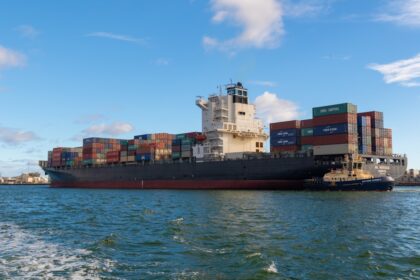
The reduced draft announcement comes at a time when global shipping is still recovering from previous operational disruptions caused by drought conditions in the region. As a result of the draft limitation, vessels transiting the neopanamax locks will face restrictions that may affect their ability to carry full loads, compelling operators to adjust their loading practices to comply with new depth limitations.

More Read
Market Repercussions
This development is likely to impact freight rates as supply chains seek to optimize for delays that may arise during transit. Shipping companies historically adjust sailing schedules or employ alternative routes in response to similar situations, abilities that may be tested further based on this latest news. Major stakeholders within the shipping industry are encouraged to monitor water level fluctuations at the canal closely, as these may dictate further operational responses.
Behind the Headline
The decision by the ACP to lower the draft underscores the ongoing challenges faced by the canal, which serves as a critical chokepoint in international shipping. For operators, this reduction may necessitate alterations in charter party agreements to account for possible delays and increased costs. The impact on global shipping logistics will largely depend on how operators adapt their vessel management practices and whether they can mitigate potential disruptions through efficient planning. Watching the water levels and subsequent announcements from the ACP will be essential for stakeholders to manage their operational compliance and financial exposure.