Update 19 Jun 2026, 18:37 UTC:
In a significant maritime development, the U.S. Navy has permitted over a dozen ships to transit through the Strait of Hormuz, effectively lifting a blockade that had restricted oil flow to Iranian ports. This decision follows an agreement aimed at resolving ongoing tensions between the United States and Iran. Vice President JD Vance announced that more than 12.5 million barrels of oil flowed through the critical shipping channel on Wednesday night, underscoring the immediate impact of the agreement.
Background of the Agreement
Vice President Vance’s comments during a White House press briefing highlighted the U.S. commitment to its end of the military-side agreement, despite criticisms regarding its implications for U.S.-Israel relations. The Vice President is expected to engage in further discussions regarding the nuclear deal in Switzerland, although no specific date has been confirmed.

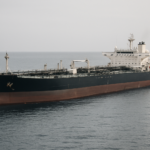
This agreement marks a turning point, with major shipping companies beginning to navigate the Strait of Hormuz after being effectively immobilized for 110 days. Many vessels that had been previously stranded have now received clearance to transit, including vessels operated by prominent shipping firms such as Grimaldi Group, Cosco, Knutsen, and NYK.
Current Shipping Landscape
According to maritime data provider Lloyd’s List Intelligence, the operational landscape in the Strait of Hormuz is evolving, although significant challenges remain. Phillip Belcher, marine director of Intertanko, noted that while the primary shipping route through the strait is still obstructed by an estimated 80 mines, smaller alternate pathways are available. Ships are now increasingly using the northern route through Iranian waters or accessing Omani waters via the southern route.
Significantly, two sanctioned crude oil tankers owned by the National Iranian Tanker Company have successfully entered the strait, demonstrating a shift toward normalized shipping activity. Iranian state media has corroborated claims of improved conditions at its southern ports but emphasizes that control of the Strait of Hormuz remains firmly in the hands of Iranian military forces, with coordination required for maritime transits.
The Operational Read
The reestablishment of shipping routes through the Strait of Hormuz presents immediate implications for maritime operators, particularly those managing fleets in the region. With a partial resumption of oil traffic, stakeholders must remain vigilant to evolving security dynamics, including mine clearance efforts and Iranian military oversight. The upcoming negotiations surrounding Iran’s nuclear program will likely influence future maritime operations and insurance considerations in this vital waterway. Operators should prepare for potential fluctuations in shipping patterns and costs as geopolitical factors continue to unfold in the Persian Gulf.