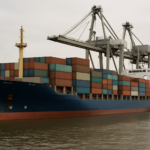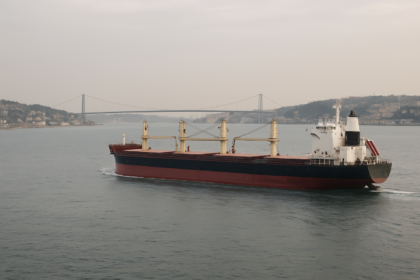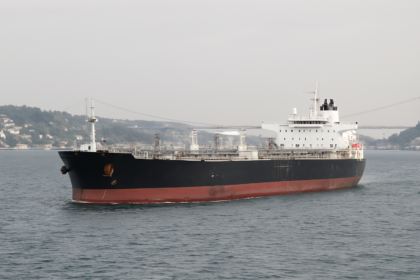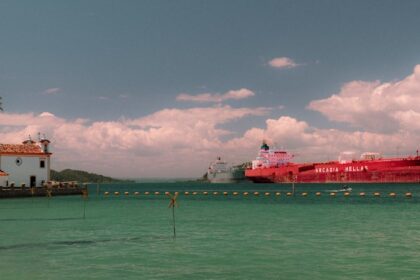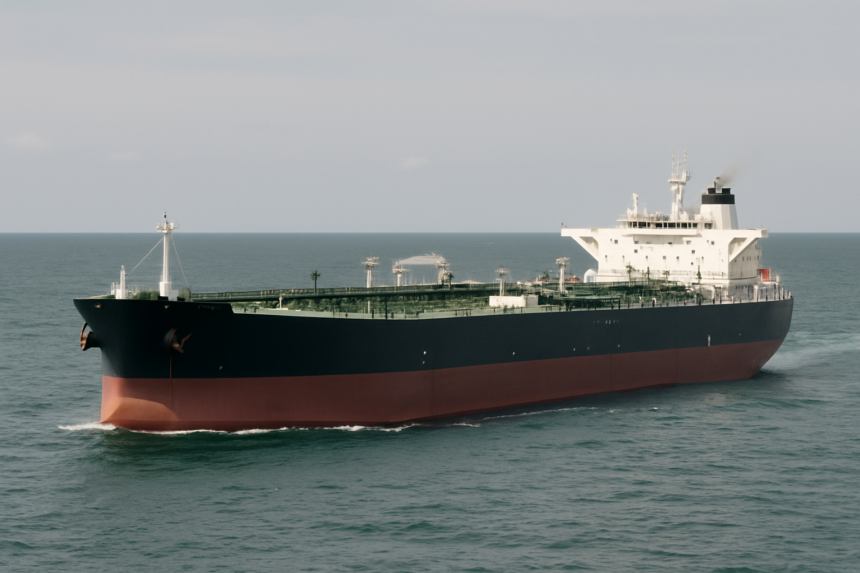
The closure of the Strait of Hormuz has fundamentally altered crude oil shipping dynamics, significantly affecting the Very Large Crude Carrier (VLCC) market. Such strategic disruptions create immediate shockwaves, leading operators to reassess traditional shipping routes and adjust to the new operational landscape.
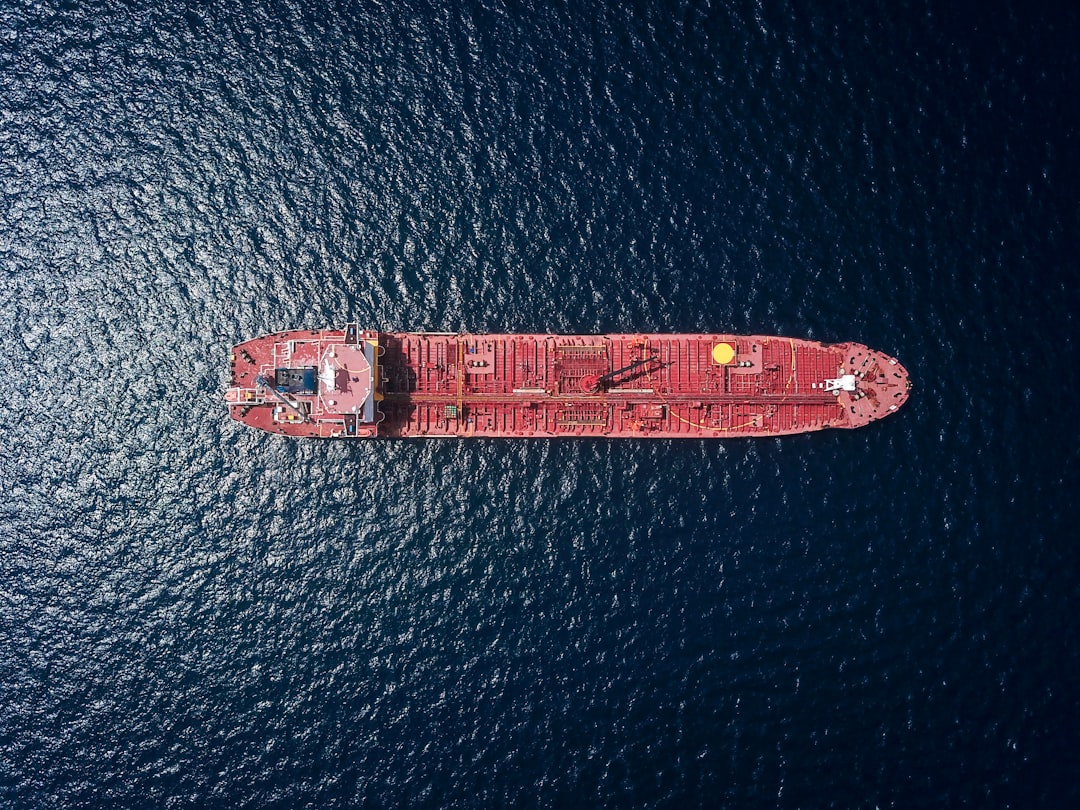
Impact of the Closure
As of Q2 2026, the Strait of Hormuz has effectively closed, preventing access to one of the world’s most crucial oil transit pathways. This chokepoint traditionally accounts for a substantial volume of global oil exports, making its closure a critical concern for operators relying on timely crude deliveries. The immediate impact has seen an uptick in freight rates due to the increased demand for vessels capable of navigating alternative routes.
Companies are now facing operational pressures to adapt swiftly. A significant concern for charterers is adjusting the laytime in charter party agreements, as transit times to bypass the Strait of Hormuz could extend significantly. This operational shift has led to uncertainty regarding demurrage costs, thereby increasing the financial stakes for shipping operators.

Market Adjustments
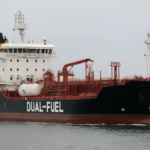
In response to these changes, shipowners are reviewing their fleet capacity and considering the utilization of dual-fuel systems. This adaptation is essential not only to enhance efficiency but also to meet new environmental regulations as vessels seek to remain competitive under tighter market conditions.
Furthermore, operators are exploring alternative routes, which may lead to longer passage times but could mitigate risk in the short term. Diversification of trade flows is likely to emerge, with some VLCCs rerouting around the Cape of Good Hope as traditional passages become increasingly untenable.
Future Considerations
The ongoing closure of the Strait of Hormuz raises critical questions about future oil supply stability and pricing structures. As the VLCC market adjusts to this unprecedented situation, the development of new logistical strategies will play a pivotal role in shaping the future landscape of crude oil shipping.
Behind the Headline
The closure of the Strait of Hormuz serves as a stark reminder of the vulnerability of critical maritime chokepoints. For operators, this event stresses the importance of contingency planning and robust risk management practices. It also highlights the necessity for flexibility in routing and the potential demand for larger efficient vessels. As global crude flows continue to be reshaped, attention will focus on the development of alternative corridors and the implications for pricing structures in the VLCC market.