Iran’s commitment to asserting control over the Strait of Hormuz was made clear in statements from Deputy Foreign Minister Kazem Gharibabadi. He conveyed a desire to formalize maritime traffic regulation by reaching an agreement with Oman. Should Oman decline, Iran indicated readiness to act independently, amplifying pressures on upcoming peace talks in Qatar with the U.S.
The Incident
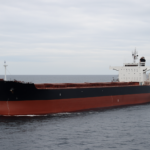
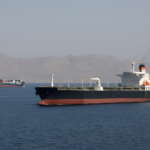
During an address to state media, Gharibabadi asserted that no external parties should interfere with Iran’s management of the strait, a waterway frequently traversed by commercial shipping. Exiting recent conflicts, the strait continues to be a flashpoint for international trade, through which around 20% of the world’s oil and liquefied natural gas supplies typically flow. In light of this, the implications on shipping operations are significant.
The prospective regulatory control by Iran might introduce a tolling system for vessels passing through Hormuz. This possibility has drawn sharp criticism from the U.S., Europe, and most Gulf Arab nations, particularly as Oman, a U.S. ally, navigates its complex relationship with Iran. Sultan Haitham bin Tariq of Oman, during discussions with French President Emanuel Macron, reiterated the importance of ensuring unhindered navigation through the strait, while also recognizing the evolving dynamics since the outbreak of conflict.


The Stakes for Shipping
The maritime landscape around the Strait of Hormuz has changed considerably since renewed hostilities began. Despite a recent interim ceasefire which led to a temporary lift on toll charges for 60 days, shipping companies must remain vigilant concerning ongoing negotiations. With increased hostilities and recent reported attacks on vessels, operators are likely reassessing risk factors associated with shipping through the strait.
The frequency of maritime traffic has resumed post-peace talks but remains significantly lower than pre-war levels. The shifting political climate introduces both operational disruptions and increased scrutiny for operators attempting to secure safe passage for their fleets. Current diplomatic engagements may or may not lead to fruitful outcomes, but stakeholders in the shipping industry must prepare for potential alterations in transit protocols.
The Operational Read
The strategic control exerted by Iran over the Strait of Hormuz poses a fundamental challenge for operators, crews, and charterers alike. With potential fees for maritime transit looming, the implications for operating costs could be considerable. In addition to possibly impacting vessel routing strategies, shipping lines may need to reassess their risk management protocols in light of ongoing hostilities and a fracturing regional dynamic. As discussions evolve, attention should be focused on how both Iranian and Omani responses will shape future shipping operations and costs in a critical global passage.