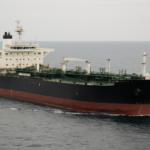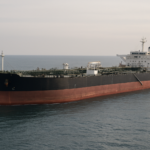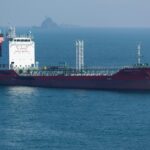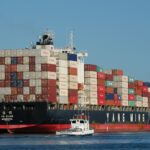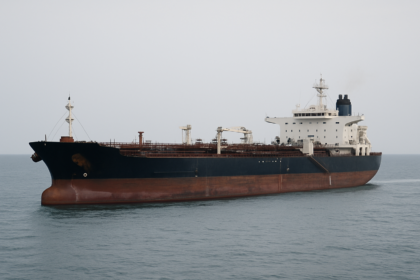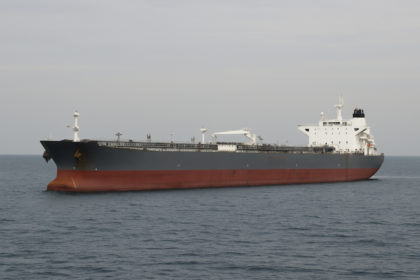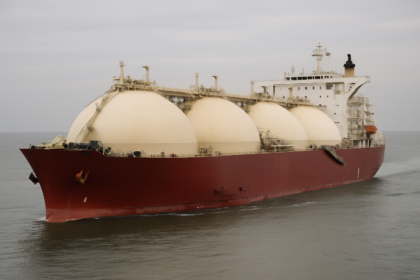
On Tuesday, the Trump administration announced an extensive expansion of its economic sanctions targeting Iran’s shipping and oil trading network, coinciding with the U.S. military’s recommencement of a naval blockade against Iranian ports. The U.S. Department of the Treasury’s Office of Foreign Assets Control (OFAC) identified over 50 individuals, companies, and vessels associated with Iranian businessman Mohammad Hossein Shamkhani, labeling this network as fundamental to Iran’s sanctions evasion, oil exports, and global shipping operations.
The Sanctions Landscape
Treasury officials characterized this operation as among the largest actions against the Shamkhani network, which is deemed a critical pillar of Iran’s oil export regime and has expanded its influence into container shipping and commodities trading. Treasury Secretary Scott Bessent stated, “The Iranian regime survives on deception, and the Shamkhani network is one of its most profitable engines.” This designation effectively blocks all property and interests belonging to the sanctioned individuals and entities that fall within U.S. jurisdiction, preventing U.S. persons from engaging in transactions with them.
In total, the latest sanctions have elevated the number of designated individuals and entities associated with the Shamkhani network to more than 200. Among those sanctioned were financiers, various shipping executives, and vessel managers active in regions including the United Arab Emirates, Singapore, India, Hong Kong, the Marshall Islands, and St. Kitts and Nevis.

Impact on Global Shipping
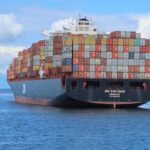
The sanctions significantly extend the pressures on the network’s operations in container shipping, with particular attention on Singapore-based Sea Lead Shipping PTE. Ltd. and its subsidiaries. These entities are accused of enabling both legitimate and illicit cargo movements that benefit the Shamkhani organization, including shipments associated with the Houthis in Yemen. Multiple vessels have also been designated as blocked property under these sanctions, adding an additional layer of scrutiny to shipping activities within this network.
These sanctions effectively mark a shift back to the Trump administration’s “maximum pressure” strategy, following a temporary easing under General License X that allowed for a limited resumption of oil exports and maritime services. The new measures highlight the administration’s readiness to impose strict oversight following recent attacks on maritime trade routes that have led to increased risks for operators.
The Operational Read
The ongoing enforcement of U.S. sanctions against the Shamkhani network presents substantial operational challenges for shipping operators. Companies must remain vigilant in their compliance efforts, given the risk of secondary sanctions for engaging with designated entities. With the U.S. military maintaining a robust maritime presence in the region, operators need to navigate an increasingly complex environment. The blockade restricts movements to and from Iranian ports, prompting a reevaluation of trade routes and cargo selections. As tensions continue to escalate, the potential for further regulatory changes remains high, urging operators and charterers to stay informed and adaptable to mitigate operational disruptions.