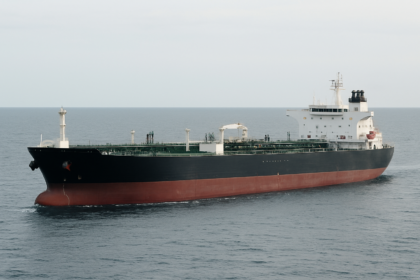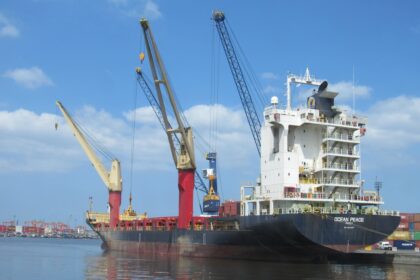


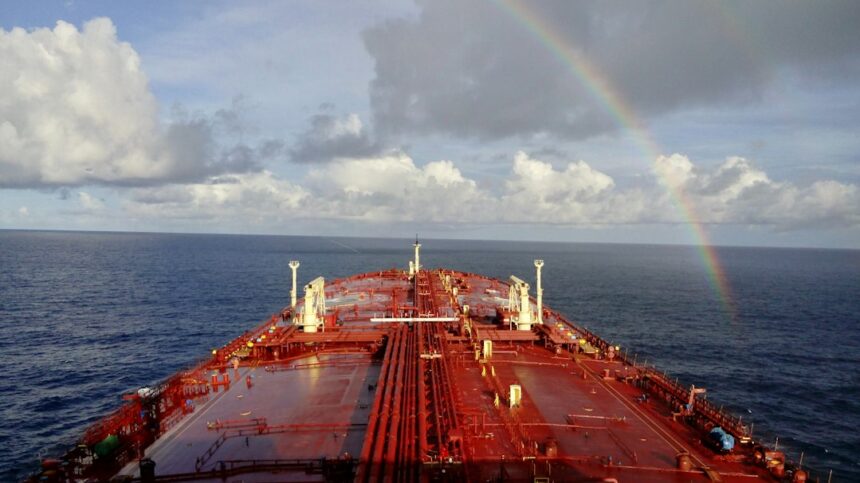
A Russian tanker is set to depart Thursday carrying diesel en route to the United States, marking the first shipment under a new fuel supply agreement motivated by rising global diesel prices and political pressures. Deputy Prime Minister Alexander Novak confirmed the details during a press briefing, indicating that this initial vessel will have a capacity of 40,000 metric tons, equivalent to about 300,000 barrels of diesel fuel.
The Context of the Agreement
The shipping decision stems from discussions between Russian President Vladimir Putin and U.S. former President Donald Trump earlier this month, where they agreed to relax export restrictions on diesel to increase fuel availability in the global market. The Russian government has committed to supplying 500,000 tons of diesel as part of this initial phase but has not disclosed a specific timeline for deliveries. Analysts are divided on the deal’s efficacy, noting that it is unlikely to significantly impact fuel prices ahead of the upcoming U.S. elections.

Geopolitical Implications
This development arrives as diesel prices in the U.S. have surged past $200 a barrel, intensifying the urgency for solutions. The economic implications extend beyond the U.S., as global energy inflation raises concerns that central banks may need to adjust interest rates to combat rising costs. Critics of the Russian-U.S. agreement express concern that it may bolster the Kremlin’s financial resources at a time when it is involved in a conflict with Ukraine.

Future Market Dynamics
Plans have reportedly been made for Russia to gradually up its diesel export volumes in anticipation of potentially reaching 3.5 million tons per month by the end of this year. This increase suggests a purposeful strategy to capitalize on global demand and maintain market presence despite ongoing geopolitical tensions. However, the agreement faces scrutiny from lawmakers in the U.S. and Europe, who fear it could further entrench Russian influence in energy markets.
The Operational Read
This shipment reflects broader shifts in global energy supply strategies amid rising prices and heightened geopolitical tensions. Operators should closely monitor the situation as increasing diesel exports from Russia could disrupt current market dynamics. The agreement’s potential to drain resources from conflict regions, alongside fluctuating demand, will likely be pivotal for market stability. Stakeholders in the shipping and energy sectors should consider the implications of fluctuating diesel prices, trade routes, and the potential need for alternative sourcing strategies in response to these evolving dynamics.