

The United States has expanded its sanctions targeting entities and vessels involved in facilitating Iranian oil trade, marking a significant escalation in its efforts to disrupt Tehran’s shadow fleet operations. The sanctions announced by the U.S. Treasury Department focus on a law firm and several shipping agents implicated in the movement of Iranian petroleum and commodities.
Details of the Sanctions
Chief among the sanctions is the law firm Karnakis and Karnakis, operating from Panama and Greece. The firm has allegedly developed a network of shell companies to conceal the ownership of vessels transporting Iranian petroleum, petrochemicals, and steel. According to the U.S. Treasury, these vessels have been instrumental in the movement of hundreds of millions of dollars’ worth of Iranian commodities. This action forms part of Operation Economic Outcast, aimed at suffocating Iran’s remaining revenue sources in light of ongoing regional tensions.
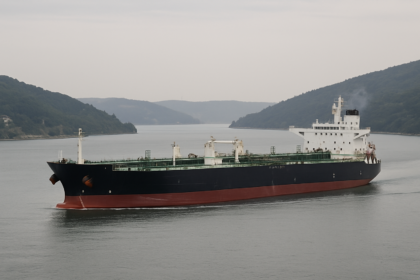
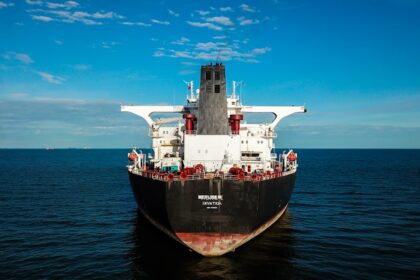
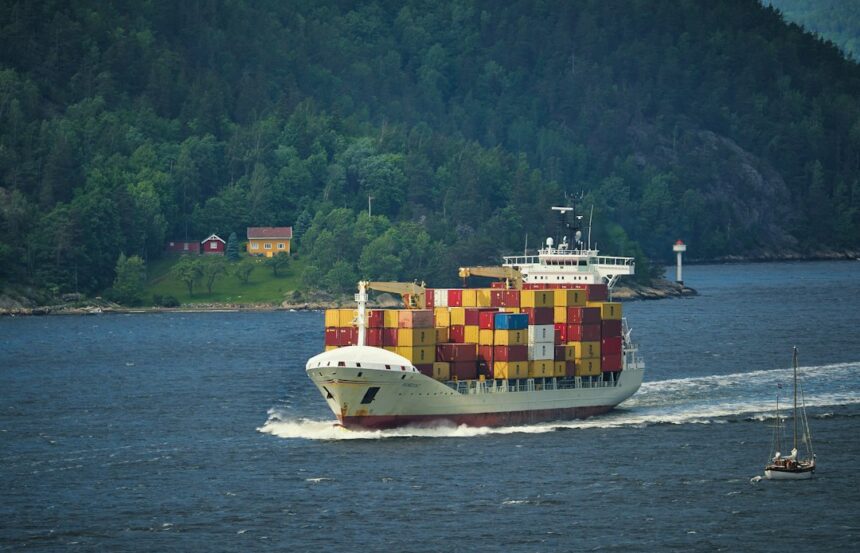
The sanctions also extend to Roxette Maritime Shipping and Trading S.A., a Panama-based company which, according to Treasury, has acted as the operator and ship manager for seven identified cargo vessels — ANEMOS, GLORIS, PRIDE, DESTINY, FLAMINGO 1, HARMONY, and PRINCE. These vessels were flagged by the Treasury as having carried Iranian-origin goods over the past year, underscoring their pivotal role in the shadow fleet’s operations.

Involvement of Shipping Agencies
In addition to the law firm and cargo ships, the Treasury sanctions extended to shipping agencies like Amigoz Singapore PTE. Ltd. and Whales Shipping Line LLC. Amigoz, based in Singapore, is accused of providing crucial port services connected to shipments of Iranian light crude, which reportedly help in funneling substantial revenues to Iran’s military entities. Meanwhile, Whales Shipping Line, based in Dubai, has also been implicated for its connections with Amigoz and involvement in the trading of significant amounts of Iranian petrochemicals.
The Operational Read
This latest round of U.S. sanctions highlights a comprehensive strategy to disrupt not only the shipping operations directly engaged in transporting Iranian commodities but also the legal and logistical frameworks supporting these operations. By targeting firms that establish ownership structures for vessels, the U.S. aims to increase the operational challenges faced by geographies and enterprises facilitating Iranian trade. Operators and charterers involved in high-risk areas are advised to conduct thorough due diligence on counterparties to mitigate exposure to further regulatory actions. Future developments will likely concentrate on global compliance measures and the potential for increased enforcement actions against other associated networks.