

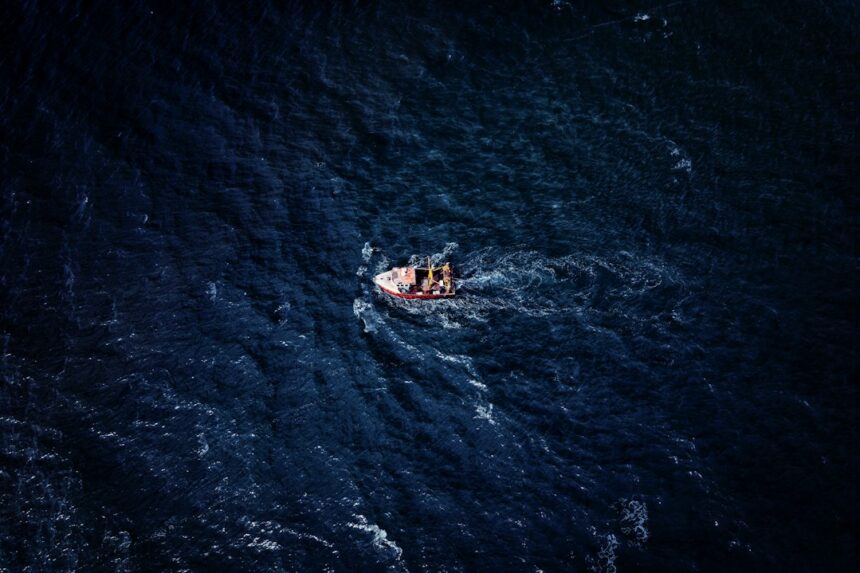
In a significant operational shift, the USS Theodore Roosevelt Carrier Strike Group has deployed with a medium-sized unmanned surface vessel in the Persian Gulf. This marks a pivotal moment as the U.S. Navy transitions from experimental testing to incorporating unmanned systems into everyday maritime operations.
The Deployment Context
Recent operations have crystallized the operational value of unmanned vessels. During training and active missions, these systems have been tested in one of the world’s most challenging maritime environments, showcasing their potential in enhancing naval capabilities. The decision to deploy these technologies aligns with broader strategic objectives articulated by senior leaders in both the Department of War and the Department of the Navy. Autonomous systems are being recognized not merely as innovative technologies but as essential assets that can provide commanders with enhanced tactical options.
Significant Outcomes and Lessons Learned
One notable operation involved the successful use of an unmanned surface vessel to recover two downed Army Apache aviators near the Strait of Hormuz. This real-world application demonstrates the operational readiness of unmanned systems and their ability to perform critical missions, which previously relied solely on manned forces. Task Force 59, a key player in integrating these systems, has worked extensively with industry partners to develop operational protocols that enhance maritime awareness and safety.

Acting Secretary of the Navy Hung Cao emphasized that the integration of unmanned technology must be seen as a force multiplier, enhancing the effectiveness of the overall fleet. The deployment strategy also signifies a shift in naval warfare dynamics, allowing traditional manned vessels to focus on missions that demand their specific capabilities while unmanned systems handle auxiliary tasks.
Future Considerations
As the Navy embraces the operational integration of unmanned vessels, it faces the critical challenge of adapting its organizational structure, training, and acquisition practices to maximize their potential. The transition from proof-of-concept to operational norm requires a cohesive strategy that encompasses all aspects of fleet management. This evolution is essential not only for leveraging advanced technologies but also for ensuring that the Navy remains agile and capable in rapidly changing maritime environments.
The Operational Read
The integration of unmanned vessels into routine Navy operations represents a significant paradigm shift for maritime defense. For operators and crews, this marks a new era where unmanned systems augment traditional capabilities, potentially reducing risks to personnel while enhancing mission effectiveness. The strategic implications are profound, as command structures must evolve to accommodate these technologies and train personnel to utilize them effectively. Close attention will be needed on how the Navy develops its operational doctrine around these systems, particularly as they are tested in various-combat scenarios. Continued collaboration with industry and ongoing experimentation will be vital to keep pace with technological advancements and maritime threats.