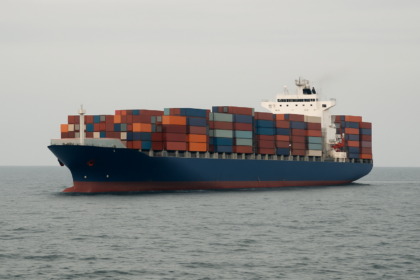
Singapore-headquartered SeaLead Shipping has officially entered liquidation, following the imposition of extensive US sanctions that have severely restricted its operational capabilities. This development underlines the substantial repercussions that geopolitical dynamics can have on the global container shipping industry.
The Sanctions Impact
In a decisive move last month, US authorities enacted sanctions aimed at cutting off SeaLead Shipping from normal international business operations. These measures effectively rendered the company unable to engage in essential shipping and trade activities, prompting the liquidation process. Industry observers note that such sanctions reflect a growing trend where geopolitical tensions directly impact national and international shipping enterprises.

Market Dynamics
The liquidation of SeaLead Shipping represents a significant shift in the container shipping landscape, as the company was viewed as a rising star in the sector not long ago. Its downfall illustrates the precarious nature of today’s shipping market, where operators can quickly shift from profitability to insolvency due to regulatory changes. The sanctions serve to highlight the delicate balance shipping companies must maintain in navigating both trade strategies and compliance with international laws.


The Operational Read
The liquidation of SeaLead Shipping poses important considerations for shipping operators and stakeholders. Companies must remain vigilant in monitoring geopolitical developments that could trigger sanctions or other restrictions. As the industry grapples with enhanced scrutiny and risk management strategies, the financial health of operators will increasingly depend on their ability to navigate complex international regulations while maintaining operational efficacy. Industry participants should prepare for potential market turbulence as the repercussions of these sanctions reverberate through global shipping networks.