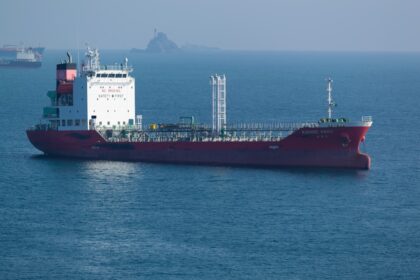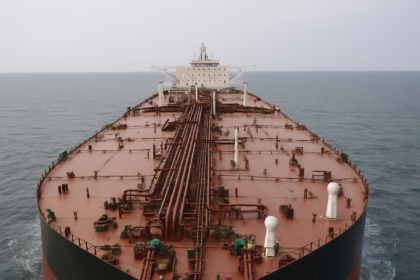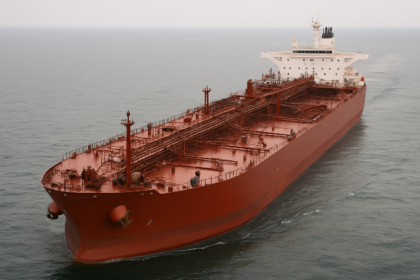
Russia has launched an unprecedented convoy of oil tankers navigating to within 500 nautical miles of the North Pole, aiming to transport crude oil from Arctic export terminals to buyers in Asia. This move utilizes one of the most northerly commercial shipping routes attempted in the Arctic, significantly increasing operational capacity in the region.
The Fleet’s Composition
The convoy reportedly includes around twenty vessels, featuring Suezmax tankers such as the Dinasty, which may be on track to become the highest-latitude commercial Suezmax to operate. The fleet’s routing comes amid changing sea ice conditions, pushing commercial traffic north of Severnaya Zemlya through waters exceeding 81 degrees north latitude—a landmark achievement in Arctic shipping.
Other vessels in the convoy are Aframax tankers like Viktor Bakaev and several others, all converging in the Kara Sea over the past weeks. This unprecedented alignment underscores a strategic shift in Russia’s utilization of the Northern Sea Route during the ongoing summer navigation season.

Challenges and Historical Context
Shipping experts cite the significantly altered ice concentrations in the region, making this operation standout despite historical Soviet voyages. The ongoing ice conditions necessitate updated routing, as seen with the recent decision to bypass the Vilkitsky Strait, which has been hindered by dense ice. Escorts by three Russian nuclear icebreakers have become vital to ensure the tankers navigate these treacherous waters effectively.
The scale of this oil traffic starkly contrasts previous years. For instance, approximately 13.1 million barrels of crude oil left Russia’s Arctic ports during last year’s entire four-month season, and this year’s early figures suggest a comparable volume could be achieved within weeks of the navigation window opening. This rapid increase in activity indicates Moscow’s commitment to expanding its maritime operations despite ongoing geopolitical tensions and Western sanctions.
Market Implications
As shipping operators adapt to the evolving Arctic landscape, the increased reliance on the Northern Sea Route could reshape market dynamics, reducing dependency on traditional shipping lanes that have become contested. The operational complexities will require careful planning and adequate escort measures as commercial vessels navigate the higher latitude routes.
The Operational Read
The operational environment in Arctic shipping is rapidly changing, with the use of high-capacity vessels like Suezmax tankers in extreme northern latitudes presenting unique challenges and opportunities. For operators, maintaining safety and efficiency will depend heavily on real-time ice condition assessments and robust icebreaking support. The current geopolitical landscape adds further complexity, as Russian operators seek to leverage these routes to sustain oil exports while navigating international sanctions. Continued monitoring of ice conditions and operational adjustments will be crucial in maximizing the utility of the Northern Sea Route without compromising vessel safety or environmental standards.