Update 22 Sep 2026, 22:33 UTC:
Saudi Arabia’s recent rerouting of crude oil exports is placing significant pressure on operations in the Gulf of Oman (GoO), particularly concerning ship-to-ship (STS) transfers. This shift is largely driven by a desire to maintain steady export flows amid logistical bottlenecks that have arisen due to the ongoing geopolitical situation in the region.
The Current Capacity Challenge
Recent data indicate that STS operations in the Gulf of Oman have surged to unprecedented levels, with liquids activity rising from 0.16 million barrels per day (Mbd) in 2025 to an average of 3.7 Mbd following the escalation of conflict in the region. As of September 26, activity is on pace to reach a record high of 7.2 Mbd. The increase in STS operations is primarily due to oil crude transfers, which now represent approximately 90% of STS activity, translating to an average of 6.9 Mbd in August alone. This shift reflects a growing reliance on STS transfers as a logistical solution amid challenges within conventional export pathways.

Logistical Adjustments and Fleet Requirements
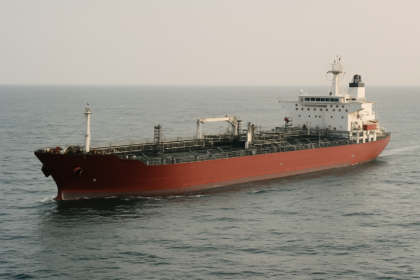
As STS capacity in the GoO approaches its maximum practical limits, logistical constraints are expected to push Saudi crude operations further afield to locations like West Coast India and Malaysia. However, this relocation also presents its challenges. Data suggests that under a base case scenario, 36 to 40 additional very large crude carriers (VLCCs) may be necessary to accommodate the increased demand from Saudi Arabia’s crude exports. In some scenarios, where operations are redirected to Malaysia, the total VLCC requirement could reach as high as 58 vessels, significantly more than the 25 required for GoO operations.
Currently, West Coast India presents itself as the nearest viable alternative for STS operations, particularly around Kutch and Mumbai. However, conditions at the site remain complicated due to prevailing weather restrictions, impacting the feasibility of utilizing these alternative lightering locations immediately.
Future Directions for Operators
The increasing trend towards longer round-trip times for VLCCs underscores a pressing need for vessel owners and charterers to adjust their strategies. Logistical shifts in the Middle East, particularly resultant from geopolitical tensions, are causing a readjustment in fleet operations and planning, with major implications for vessel productivity.
As exporters look to find viable routes to pivot surplus volumes, the dynamics of STS operations are evolving decisively. Any significant uptick in STS activity at West Coast India is likely to emerge only once current weather challenges subside, allowing for an easing of capacity strains in the Gulf of Oman.
Behind the Headline
The current rerouting of Saudi crude exports signifies more than just a need for additional tonnage; it highlights the delicate balance between logistical efficiency and regional stability. As demands on VLCC fleets increase substantially, the potential for operational disruptions and delays becomes more apparent. Operators must remain vigilant regarding fleet management, as any unforeseen escalation in regional tensions could further compromise shipping routes and supply chain reliability. Watch for ongoing developments in both local geopolitical scenarios and their impacts on STS capacities, as these factors will shape the operational landscape for crude logistics in the near future.