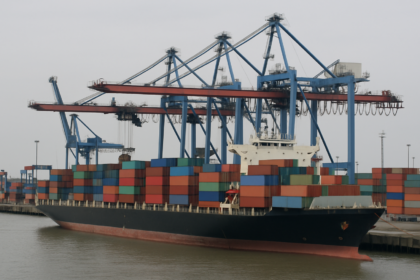
U.S. container imports achieved a record high for 2026 in September, reaching 2.37 million twenty-foot equivalent units (TEUs), a significant 12.6% increase compared to the same month last year. This surge in volume capped off an extended peak shipping season that has significantly engaged major ports despite prevailing tariffs, inflation, and supply chain pressures.
Import Trends
According to the National Retail Federation (NRF) and Hackett Associates’ Global Port Tracker, September’s import total marked a 3.4% rise from August, establishing it as the third-busiest month on record since the inception of the Global Port Tracker. The record volumes have exceeded prior expectations set by NRF, which had predicted August would be the peak for this year and anticipated a slight decline in September’s imports.

Logistical Challenges
While the high import levels are encouraging, they have not come without challenges. Jonathan Gold, NRF vice president for supply chain and customs policy, noted that several ports have faced congestion, particularly in transferring containers to rail transport. Negotiations between the International Longshore and Warehouse Union’s Local 26, which represents approximately 250 watchmen at the Ports of Los Angeles and Long Beach, and the Pacific Maritime Association, have led to uncertainties affecting operations. An existing contract has been extended until November 20, postponing immediate disruptions but leaving major labor issues unresolved.

Despite these logistical hurdles, retailers are reportedly in a strong position for the upcoming holiday shopping season, with most seasonal goods already within U.S. borders. The extended peak season can largely be attributed to evolving U.S. tariff policies, compelling retailers to adapt their shipment schedules to capitalize on prevailing market conditions.
Future Projections
Looking ahead, the import surge appears to be moderating as the peak season concludes. Global Port Tracker has projected that although import figures will decrease in the coming months, they will exceed last year’s totals. Estimates for October project 2.26 million TEUs, representing a 9.1% increase year-over-year, while November’s forecast stands at 2.05 million TEUs, reflecting a smaller 1.2% growth. December is anticipated to close the year with 2.03 million TEUs, a 1.3% rise compared to the previous year.
Overall, the expected total for 2026 is set to hit 26 million TEUs, a 2% increase over 2025’s figures, marking an upward revision from earlier forecasts that estimated 25.8 million TEUs for the year. However, the start of 2027 is projected to be slower, with January estimates dropping below previous year levels by 3% and further anticipated declines in February and March.
Behind the Headline
The operational realities underlying these import statistics reveal a complex interplay of factors affecting maritime logistics. The persistent congestion at major ports highlights the ongoing strain on supply chains exacerbated by labor uncertainties and shifting tariff policies. For shipping operators and logistics managers, maintaining efficient operations during periods of high import activity is critical. As negotiations remain unresolved, attention should focus on how this will impact terminal operations and overall throughput in the months to follow. The industry must remain agile in adapting to these ongoing changes, particularly as economic conditions influence consumer spending patterns into the holiday season and beyond.