On November 2, 2026, at the Abu Dhabi International Petroleum Exhibition and Conference, the UAE’s Energy Minister, Suhail al-Mazrouei, announced new initiatives aimed at reinforcing the nation’s energy infrastructure and export strategies in response to ongoing geopolitical tensions involving Iran. These initiatives come amid the escalating US-Israeli conflict concerning Iran, raising significant concerns over energy supply stability in the region.
Strategic Investments in Infrastructure
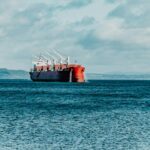
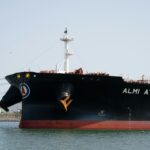
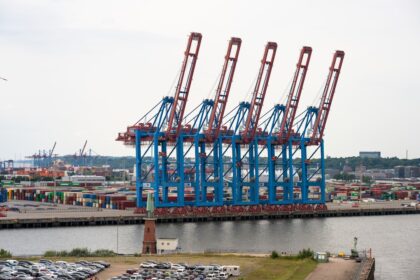
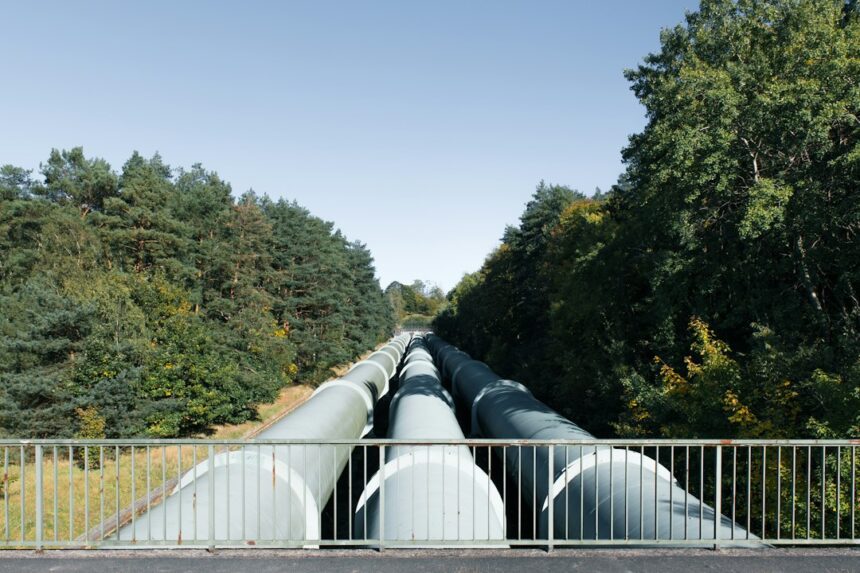
The UAE has pledged to enhance its energy export capabilities, with plans for significant investments in new export routes, expanded storage capacities abroad, and the development of robust shipping fleets. Central to these enhancements is the construction of a new pipeline to Fujairah, which is projected to double the region’s crude oil export capacity by 2027. Fujairah, located strategically just outside the busy Strait of Hormuz, has become a critical node in the UAE’s oil export strategy.
Resilience and Future Preparedness
Minister al-Mazrouei emphasized the importance of resilience in energy logistics, stating that the current crisis has prompted many companies to reevaluate their operational designs to ensure greater resilience against future disruptions. “Resilience is a big word,” he remarked, indicating that the scope of this term encompasses all facets of the energy supply chain, from production to delivery. He noted that the UAE’s crude exports, at times, have even surpassed levels seen before the onset of the conflict.


Market Implications
With the UAE’s oil production capacity expected to grow, operators in the region may see increased competition and potential changes in oil prices influenced by supply dynamics. Analysts anticipate that the UAE’s ability to adapt efficiently could serve as a model for other nations facing similar challenges in maintaining supply chains amidst geopolitical instability. As the global market continues to adjust, the focus will remain on the adaptability and infrastructure resilience of oil-exporting nations.
Behind the Headline
The ongoing geopolitical tensions necessitate a shift in operational strategies for energy exporters. The UAE’s proactive approach to enhancing its logistical frameworks and storage capacities may not only ensure ongoing export viability but also set a precedent for other countries in the region. As investments in infrastructure increase, the focus will likely remain on developing seamless supply chain solutions that can withstand the pressures of geopolitical conflicts. Observing how these strategies unfold will be critical for operators and charterers navigating the complexities of future energy markets.