Update 24 Sep 2026, 20:33 UTC:
Regulatory uncertainty is emerging as a pivotal factor in influencing shipowners’ investment decisions regarding vessel design and fuel systems, as outlined in DNV’s latest Maritime Forecast to 2050. The report presents four potential regulatory futures for the maritime industry, spanning full adoption of the International Maritime Organization’s (IMO) Net-Zero Framework to scenarios characterized by political gridlock and reluctance to embrace rigorous regulations.
Impending Regulatory Decisions
The inevitability of regulatory negotiations looms large as the IMO convenes to revisit the Net-Zero Framework in October, following a year since the extraordinary Marine Environment Protection Committee meeting adjourned without solidifying the proposed regulations. DNV stresses that the eventual regulatory outcome stands to drastically alter the economic landscape for alternative fuels, energy efficiency investments, and fleet renewal strategies. According to Øyvind Sekkesæter, senior consultant at DNV and lead author of the report, “Decisions taken today on vessel design, retrofits, and fuel capability will determine competitiveness for decades.”


Furthermore, DNV projects that under stronger global regulations, the global fleet could potentially reduce energy consumption by as much as 25% compared to a situation predominantly influenced by regional regulations. The anticipated demand for low-greenhouse-gas fuels is likewise expected to vary significantly based on the chosen regulatory trajectory, with estimates ranging from 33 million tonnes of oil equivalent to 185 million tonnes by 2050.
Investment Trends in the Fleet
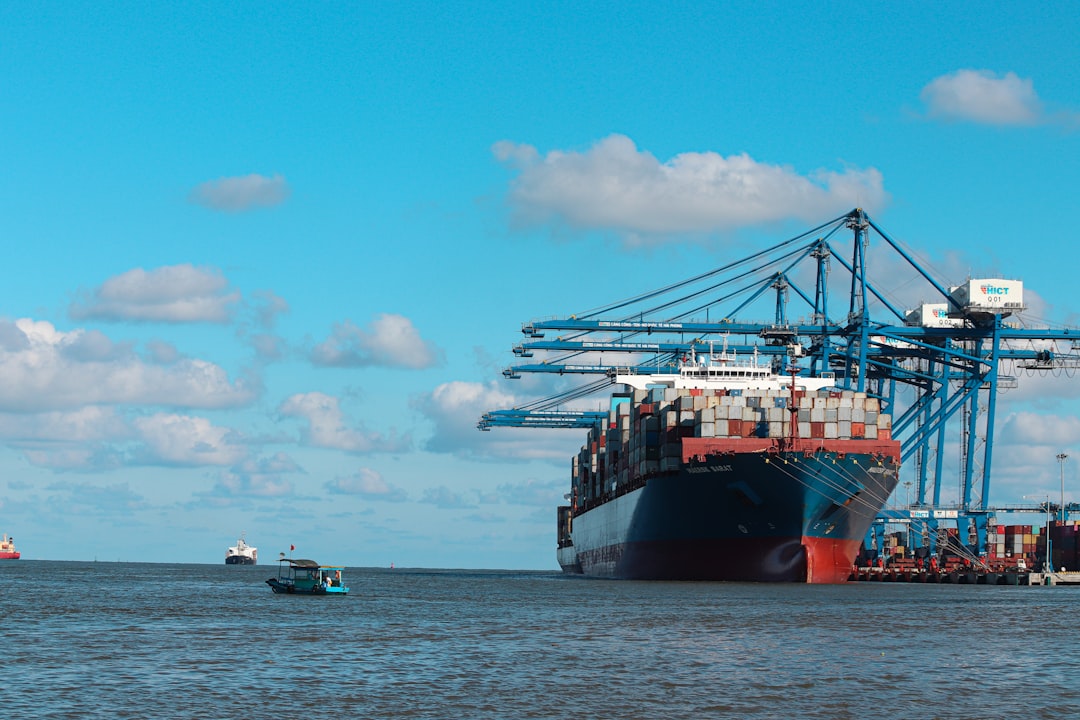
This wide range of possible outcomes reinforces a critical conclusion of the report: shipowners may benefit from diversifying their fuel options rather than relying on a singular future fuel. Evidence of this trend is evident in the current orderbook, which reveals an increase in alternative-fuel-capable vessels from a mere 0.4% of the global fleet in 2020 to an encouraging 5.2% by 2026, primarily led by LNG and methanol-powered systems. Despite this growth, many dual-fuel vessels continue to operate predominantly on conventional fuels due to the higher costs and limited incentives for transitioning to alternative options.
Moreover, energy efficiency investments present a more straightforward path for shipowners. DNV conducted a financial model for retrofitting a hypothetical 15-year-old, 5,000-TEU containership, estimating that upgrades such as a new bow and propeller optimization could yield fuel savings of approximately 16%, with payback periods ranging from 1.4 to 4.2 years based on fluctuating fuel prices. The projected net present value of these savings could reach between $2 million and $10 million by 2038, even prior to considering compliance costs under frameworks like the European Union Emissions Trading System and FuelEU Maritime.
DNV’s report also highlights the significance of routine maintenance in optimizing vessel performance. For instance, on a chartered vessel, hull and propeller cleaning effectively improved its Vessel Technical Index from an average of 1.32 to 1.14, reflecting performance comparable to new vessels. This improvement translated into fuel savings of roughly 120 tonnes during a 33-day voyage, amounting to approximately $56,000, markedly outpacing the $14,000 cleaning expense.
Why It Matters
The evolving regulatory landscape poses operational challenges and opportunities for shipowners, crews, and charterers as they navigate the transition towards sustainable shipping practices. The focus should be on flexibility—integrating alternative fuel capabilities into fleet decisions while also investing in energy efficiency measures that offer tangible returns independent of regulatory outcomes. As shipowners prepare for the potential shifts in fuel economics, particular attention should be paid to the availability of low-GHG fuels and the implications of imminent policy decisions on investment strategies across the sector.