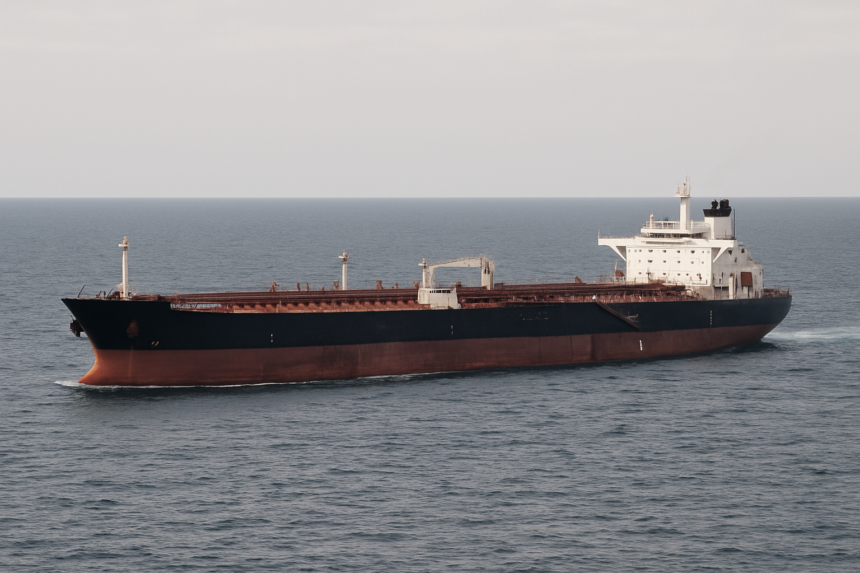
Scorpio Tankers has issued a buoyant outlook for tanker rates, anticipating that they will exceed pre-conflict levels. This projection is largely influenced by refinery closures and significant dislocations within the supply chain, particularly as the Strait of Hormuz gears up for potential re-opening.
Changing Supply Dynamics
At the Marine Money Conference on June 17, Scorpio executives discussed the limited potential benefits of waiving the Jones Act, which would allow foreign-flagged vessels to transport petroleum products between US ports. Chris Avello, Scorpio’s CFO, noted that unless severe domestic fuel shortages arise, such waivers present only modest opportunities for the fleet. The company’s primary focus remains on the impact of refinery shutdowns, especially along the US West Coast, which have pushed production away from consumption centers and increased reliance on long-haul maritime trade.
Refinery Impact on Shipping Demand
The strategic closures have fundamentally changed US product trade flows, forcing regions to source supplies from farther distances, such as Asia, which boosts ton-miles—a key indicator of shipping demand. James Doyle, Scorpio’s head of corporate development and investor relations, emphasized that the increased ton-miles stem from strong demand and are significantly driving the company’s operational strategy. Despite a decline in US refined product exports from 21 million barrels per day the previous year to 18 million barrels per day in May 2026, the product tanker market has remained robust.

The necessity of Jones Act waivers would rise if the Strait of Hormuz remains closed, impeding US regional supply chains. Avello pointed out that certain geographic areas, particularly those reliant on East Coast gasoline, would face critical shortages without these waivers.
Platts, part of S&P Global Energy, reported that Jones Act Medium Range charter rates averaged $91,000 per day as of June 17, showing a slight decline from the previous week. Market analyses suggest that low activity levels may lead to further rate drops in the upcoming weeks. Meanwhile, total gasoline stocks on the US Atlantic Coast have increased for the third consecutive week ending June 12, according to the US Energy Information Administration. This was likely driven by heightened gasoline production at East Coast refineries.
Market Outlook and Future Rates
Scorpio’s forecast indicates that product tanker rates are expected to settle higher than pre-conflict levels, even as oil flows through the Strait of Hormuz gradually normalize towards the previous capacity of 20 million barrels per day. Avello highlighted various factors supporting this including vessel dislocations, restocking efforts, and potential infrastructure damage. Doyle further noted that the company expects rates to trend towards $30,000 per day for Medium Range tankers and $40,000 per day for Long Range 2 tankers, given the current disruptions and anticipated increased demand during the transition period.
The Operational Read
This evolving landscape presents complex operational challenges and opportunities for shipping operators. The closure of US refineries has led to a renewed emphasis on supply chain resilience, particularly as operators navigate longer transportation routes. The ongoing geopolitical tensions underscore the importance of strategic planning and adaptation in the maritime sector. As markets adjust post-conflict, the focus will be on maintaining service continuity while managing costs amid fluctuating demand. Stakeholders should monitor activity levels closely, as shifts in charter rates could signal broader market trends and dictate operational tactics in the coming months.