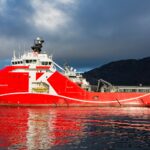
Belgian marine contractor Jan De Nul has placed an order for a second trenching vessel with China Merchants Heavy Industry (CMHI), aimed at augmenting its capabilities in subsea cable installation and protection. This latest addition will mirror the specifications of the Isambard K. Brunel, a trenching support vessel ordered by Jan De Nul in March.
Expanding Capabilities
The decision to acquire another vessel emphasizes the increasing demand for efficient subsea cable projects, which are critical for enhancing global telecommunications and supporting renewable energy integration. Jan De Nul’s focus on expanding its fleet is indicative of the strategic importance it places on subsea operations, particularly in light of ongoing developments in offshore wind energy and interconnection projects.

Market Trends
As countries push for renewable energy, the need for robust subsea cable systems has intensified. These installations facilitate the transmission of electricity generated from offshore wind farms to onshore grids. Furthermore, subsea cables are essential for global internet connectivity. By doubling its trenching capabilities, Jan De Nul positions itself as a key player in this evolving market landscape.

Operational Impact
With the addition of the new vessel, Jan De Nul will enhance its operational efficiency and flexibility in undertaking complex trenching projects. The Isambard K. Brunel and its sister vessel are designed to handle the intricacies of seabed preparation and cable burial, ensuring compliance with stringent industry standards. The expansion of Jan De Nul’s fleet will not only support its current projects but also allow the company to pursue new opportunities in joint ventures and public-private partnerships.
Behind the Headline
The ongoing demand for subsea infrastructure is shaping the strategic focus of marine contractors like Jan De Nul. Investing in specialized vessel capabilities reflects an understanding of the technical requirements involved in cable installation and protection. As renewable energy projects multiply, attention will be directed toward operational efficiency and adherence to environmental standards. Stakeholders will need to monitor how these new capabilities affect project timelines and cost structures in a highly competitive marketplace.