Overview of the 2010 HNS Convention
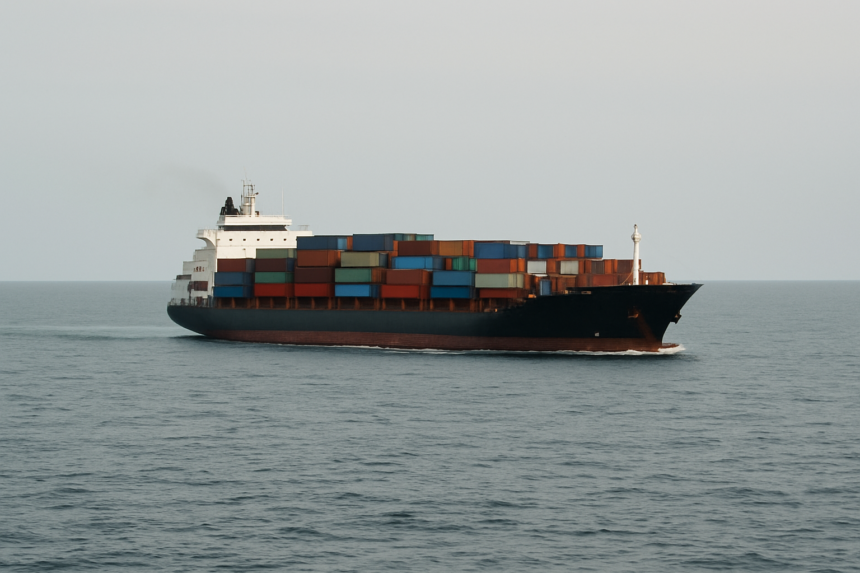
The International Maritime Organization (IMO) has announced that the 2010 Hazardous and Noxious Substances (HNS) Convention will enter into force on 29 November 2027. This significant development will establish the first international compensation regime specifically addressing incidents involving hazardous and noxious substances transported by sea. The timing coincides with a rise in the quantity of chemicals and alternative fuels shipped globally, making this treaty a critical addition to the existing maritime regulatory framework.
Conditions for the Treaty’s Activation
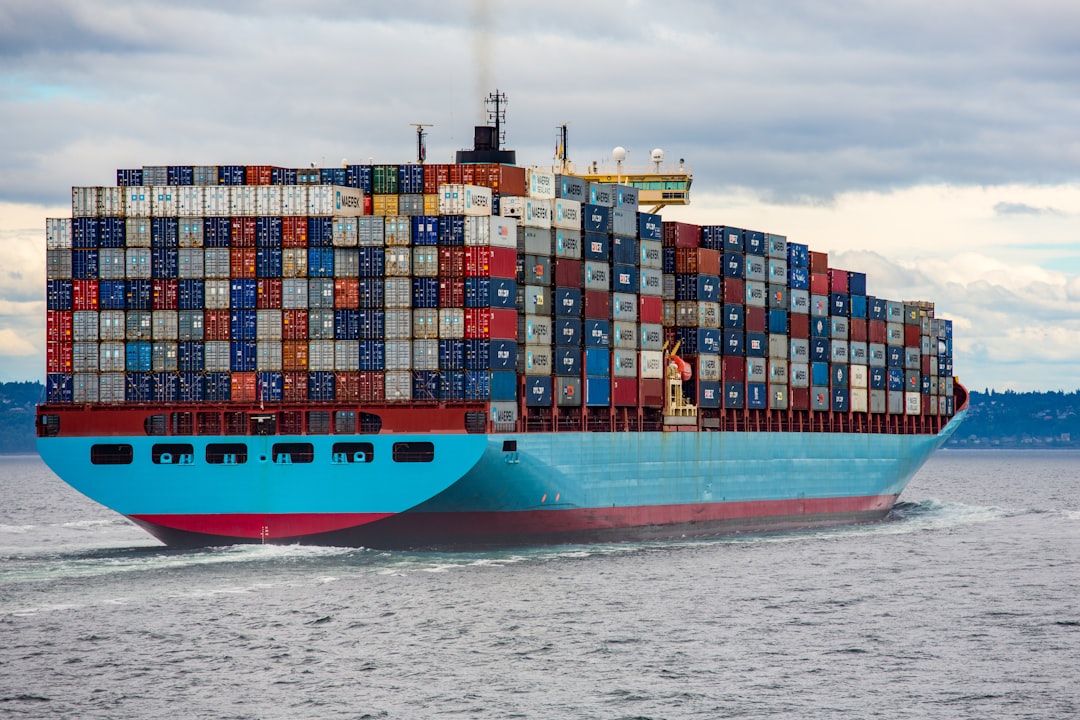
The conditions for the HNS Convention’s entry into force were met as of 29 May 2026. According to Article 21(1) of the Protocol, at least 12 States must demonstrate their consent to be bound, with four of these States possessing no less than 2 million gross tonnes. Following recent ratifications by Belgium, Germany, the Netherlands, and Sweden, 12 States now comprise the contracting parties to the 2010 HNS Protocol. Reports confirm that these States collectively reported over 40 million tonnes of contributing cargo in the preceding year, fulfilling another critical requirement.
Compensation and Liability Framework
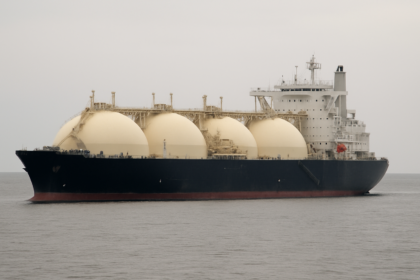
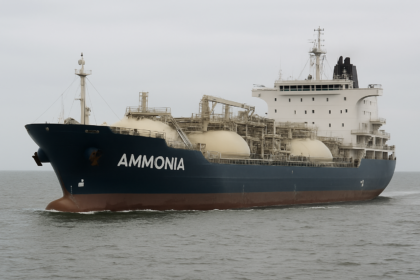
The 2010 HNS Convention aims to fill a significant gap in the international liability landscape for shipping. It complements existing regimes focused on oil pollution and shipwreck incidents, extending coverage to losses related to over 2,000 hazardous substances, including chemicals, LNG, LPG, and various hazardous materials. Under this new regime, shipowners will bear strict liability for any resulting damages, necessitating the maintenance of State-certified insurance or equivalent financial guarantees. Additional compensation will be available through the HNS Fund, which is funded by mandatory contributions from receivers of HNS cargo in contracting States.


Why It Matters
The introduction of the 2010 HNS Convention heralds a critical evolution in the maritime industry’s liability dynamics. As the volume of hazardous materials transported by sea continues to rise, operators will need to adjust their risk management practices to comply with the new compensation requirements. Shipping companies must factor in the necessity for HNS certificates, significantly impacting operational costs and logistics planning. The emphasis on the ‘polluter pays’ principle reinforces the responsibility of both the shipping and HNS industries in safeguarding against environmental and economic repercussions of hazardous cargo incidents. Stakeholders should closely monitor developments in regulatory implementation to prepare for compliance by 2027.