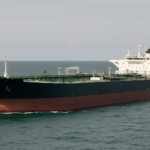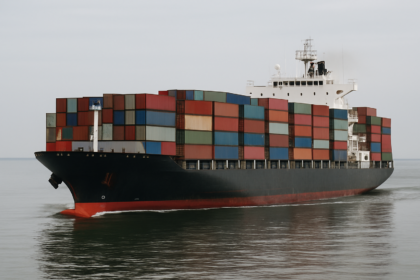
Malaysian tanker operator AET is actively expanding its utilization of alternative fuels while raising concerns about the significant uncertainties surrounding fuel availability and regulatory frameworks that may complicate the maritime sector’s transition to low and zero-emission solutions.
Current Initiatives
In its latest annual report, AET disclosed that it consumed a total of 3,200 metric tons of B24 and B30 biofuel blends across its fleet throughout 2025. Additionally, in February 2026, AET successfully completed its first trial of liquefied biomethane (LBM) on one of its LNG dual-fuel vessels. This trial is part of AET’s strategy to leverage diverse fuel options as they evolve.
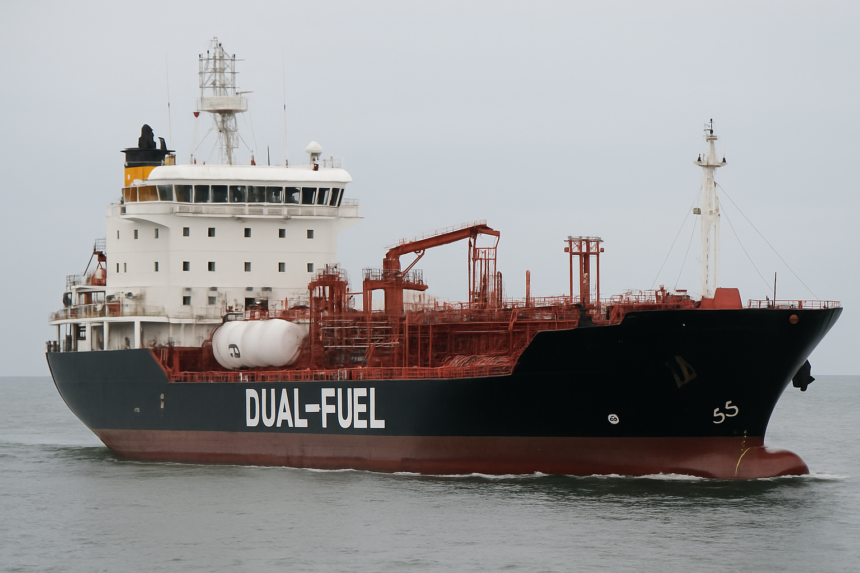
As of now, AET operates 13 LNG dual-fuel vessels, with four more currently under construction. The company has also placed orders for three ammonia-capable dual-fuel vessels, scheduled for delivery starting in 2028, reflecting its commitment to exploring various alternative fuels.

Regulatory Landscape Challenges
AET has alerted stakeholders to the potential risks stemming from delays in achieving large-scale availability of low- and zero-emission fuels on vital trade routes. These uncertainties pose challenges not only for fuel availability but also for investment in assets, as operators may hesitate amid unclear future market conditions.
Furthermore, AET has articulated concerns regarding a fragmented regulatory landscape as the International Maritime Organization (IMO) develops its Net-Zero Framework. The implementation of regional regulations, including the EU Emissions Trading System (ETS) and FuelEU Maritime, along with emerging emissions trading schemes, could lead to complex compliance challenges. Divergence between global and regional regulations may result in overlapping costs, adding further complications to the operational climate.
Strategic Flexibility
The emphasis on fuel optionality is paramount for AET, as 22% of its existing fleet is currently dual-fuel ready or capable, ensuring that customers have diverse fuel choices in today’s rapidly changing environment. The need for adaptability will be critical as the industry confronts evolving regulations and supply chain dynamics.
Why It Matters
The maritime industry’s shift toward alternative fuels is essential for achieving emissions reduction targets. However, the operational realities highlight significant risks associated with fuel availability and regulatory compliance. For operators, navigating the uncertainty surrounding low-emission fuels will require strategic decisions on fleet deployment and capital allocation. To mitigate risks, stakeholders must remain vigilant for developments in fuel supply chains and regulatory frameworks, ensuring adherence to evolving standards while maintaining operational efficiency.