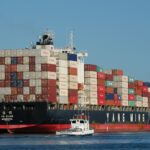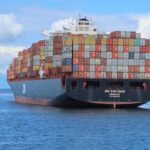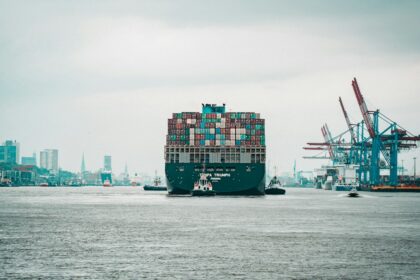
A series of industrial actions throughout northern Europe are set to significantly escalate port congestion, posing risks to supply chains already under stress. Starting today, approximately 11,000 dockworkers at Germany’s North Sea ports have commenced a 48-hour warning strike. Tomorrow, workers at Rotterdam and other Dutch ports are expected to join the labor dispute, further compounding the challenges faced by shipping and logistics operators in the region.
The Current Situation
The warning strike by German dockworkers highlights ongoing tensions within the labor sector, as demands for better wages and working conditions come to the forefront. As a critical node in international maritime logistics, the North Sea ports play a vital role in container traffic and supply movement across Europe. The halt in operations due to strikes not only affects immediate port activities but also poses long-term ramifications for supply chains reliant on timely deliveries.

Impact on Supply Chains
The impending strikes are likely to create a bottleneck effect, leading to increased waiting times and extended laytime for vessels. The risk of demurrage charges can escalate costs for shipping operators, who face the dual challenge of navigating heightened port congestion while managing operational expenses. A domino effect may occur, impacting warehouses and distribution centers that depend on seamless logistics.

Future Considerations
As labor unrest continues to unfold, stakeholders across the shipping industry are closely monitoring developments. Operators should be prepared to evaluate alternative routes or adjust schedules accordingly. The situation warrants vigilance, as ongoing negotiations between unions and port authorities may influence future operations.
Behind the Headline
The escalation of industrial action in northern Europe underscores the fragility of supply chains, especially amidst rising inflationary pressures and labor market dissatisfaction. Port congestion, already a critical issue, will likely lead to increased freight rates and logistical challenges. Those involved in shipping and chartering must watch for further developments and possible interventions to restore operational normalcy. Cargo owners will also need to factor in potential delays in their planning, underscoring the interconnected nature of maritime logistics and local labor disputes.