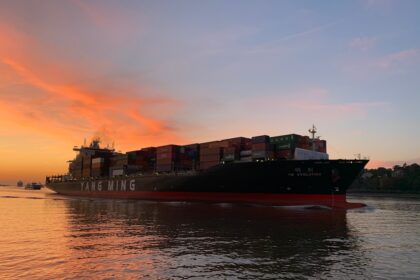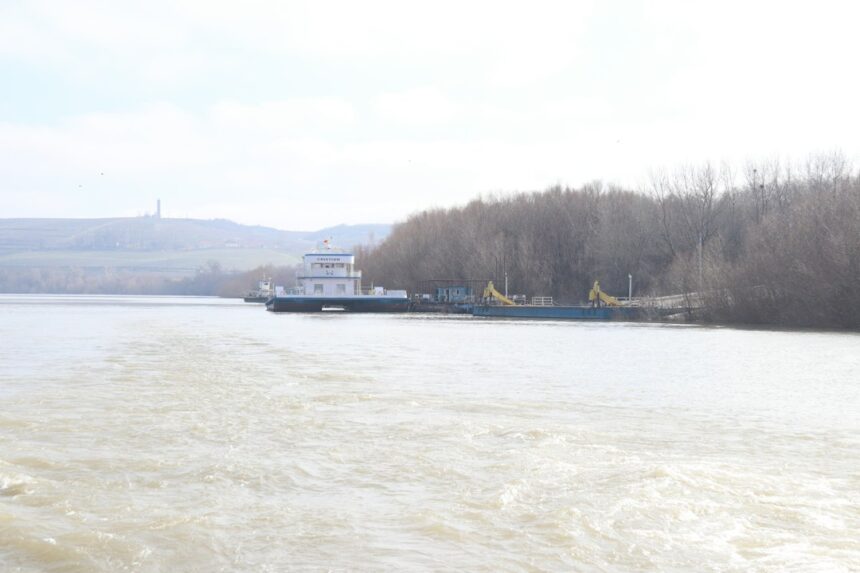
Water levels on the Rhine River have experienced a critical decline, registering just 20 centimeters at Kaub as of September 18. Industry forecasts anticipate that these levels could reach zero by the end of the month, a development that poses significant threats to barge transport across this vital European fuel supply corridor. Current predictions indicate that levels will remain at zero for at least three days, compounding the already challenging logistics for product transport in the region.
The Impact on Barge Transport
The Rhine River serves as a crucial artery for fuel transport within Europe, and its shallow depth has led to severely constrained logistics for the past week. According to data from the German water authority WSV, levels have hovered around 30 cm prior to the dramatic drop, exacerbating operational challenges for barge operators. As a result, upper Rhine destinations are nearing a de facto shutdown.
According to market participant insights reported by Platts, there is no meaningful rainfall expected in the immediate future, leading to fears that severe navigational restrictions may persist. While some rain is forecast for September 20 in Rhineland-Palatinate, the anticipated dry conditions on September 19 and 21 provide little hope for recovery.

Market Adjustments
The prevailing low-water crisis has sent freight rates soaring, with the cost of transport from the Amsterdam-Rotterdam-Antwerp hub to Basel climbing to €215/metric ton on September 18, up from €165/metric ton on September 11. With logistical disruptions now commonplace, refiners have witnessed exceptional economic circumstances, prompting price assessments for ULSD 10ppm cargo in Northwest Europe to reach $1,558.75/metric ton.
Despite these challenges, refineries along the Rhine, including those at Wesseling and Karlsruhe, are still able to maintain operations thanks to alternative crude supply routes via the Rotterdam–Rhine Pipeline and the Trans-Alpine Pipeline. Furthermore, Gelsenkirchen can utilize the nearby Scholven tank facility, which is pipeline-connected, further aiding supply chains.
However, as noted by Sammir Lesage, analyst at S&P Global Energy CERA, while alternatives are available, they cannot fully replace the capacity of barge transport. This situation results in slower and more expensive clearance processes, particularly for critical products.
Adding to the complexity, rail transport options have been limited due to the ongoing closure of the right-bank Middle Rhine Line, which has been undergoing significant refurbishment since July 10, impacting freight services until December 12. The situation is further compounded in Switzerland, where operations at the oil refinery in Cressier, responsible for approximately 30% of the country’s demand, have been disrupted by a technical defect.
Behind the Headline
The declining water levels in the Rhine have substantial implications for barge transport and fuel logistics across Europe, highlighting the intricate balance of supply chains in the energy sector. Operators are now forced to reroute shipments and adapt strategies around pipeline and rail services, leading to increased costs and prolonged delivery times. As refiners adjust to the situation, the reliance on alternative routes may alleviate some pressure, but the inability to meet normal volume capacities through these methods signifies a broader challenge for the market. Looking ahead, operators should monitor water level forecasts closely while remaining adaptable to further disruptions emerging from the unfolding low-water crisis.