Update 08 Oct 2026, 10:33 UTC:
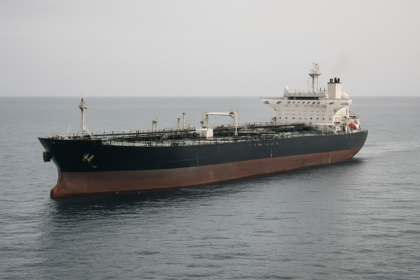
Middle East oil exports have demonstrated resilience, climbing to levels above pre-war averages which were disrupted by the ongoing US-Israel conflict with Iran. Data from maritime tracking firm Kpler indicates that, during the last week of September, crude exports surged, achieving figures between 19.5 and 22.5 million barrels per day (bpd). This increase marks the first time since the onset of hostilities in February that export levels have consistently exceeded the pre-war average of approximately 18 million bpd.
Protective Measures and Strategic Adjustments
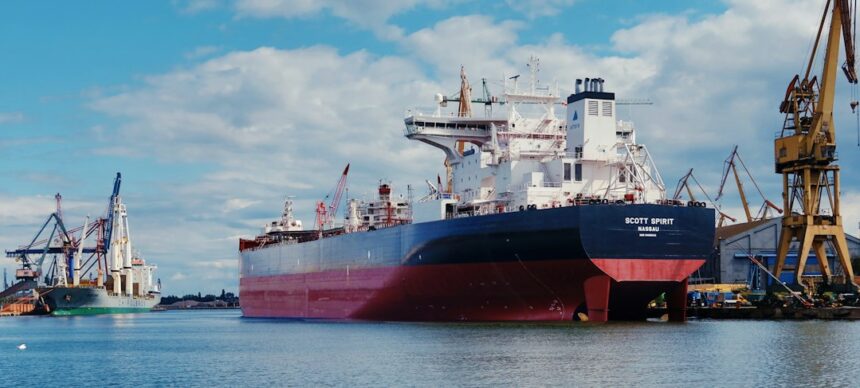
The rise in oil exports is primarily attributed to the presence of US naval forces escorting tankers through the Strait of Hormuz, combined with strategic ship-to-ship transfers. These methods greatly reduce vulnerability to potential missile and drone attacks from Iranian forces. Additionally, market pressures and high insurance premiums are influencing export dynamics, maintaining oil prices at elevated levels.

However, a significant new claim from Kpler’s head of policy and geopolitical risk, Michelle Brohard, suggests that Gulf states may resort to negotiation strategies with Iran, potentially involving financial compensation to ensure the safety of their exports. Brohard stated, “I suspect there is a toll that’s being paid, which is giving these ships safe passage.” This implies that regional players may be inadvertently funding Tehran’s capacities amid the conflict.
Market Conditions and Future Implications
Despite the lack of independent verification regarding these payment tactics, the suggestion raises questions about the sustainability of current export strategies as regional stakeholders seek to minimize risks. Brohard elaborated on the need for urgency, mentioning a “race to get out as much as possible,” prior to an expected escalation in military engagements.
As prior reports have indicated, the Islamic Revolutionary Guard Corps has operated a “toll booth” system aimed at regulating vessel flow—a strategy that has considerable implications for maritime traffic through the strait, a vital chokepoint for global oil and natural gas exports.
As a result of such geopolitical tensions, the price fluctuations and heightened insurance rates imposed on commercial vessels indicate a cautious market sentiment. Continued monitoring of oil traffic and pricing behaviors in response to these shifting dynamics will be essential for industry stakeholders.
The Operational Read
This evolving situation necessitates heightened vigilance from shipping operators and charterers who are navigating the complex security landscape of the Strait of Hormuz. The rumored toll payments could indicate an emerging trend where state actors are willing to negotiate passage rights with Iran, potentially altering the landscape of maritime security in the region. Observers will need to remain alert to shifts in insurance rates and the potential for increased costs passed on to operators, particularly amid ongoing geopolitical strife. Keeping abreast of US naval activities in the area and the IRGC’s strategies will also be crucial for informed decision-making.