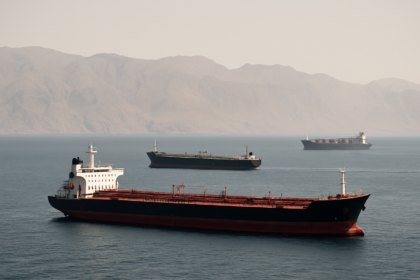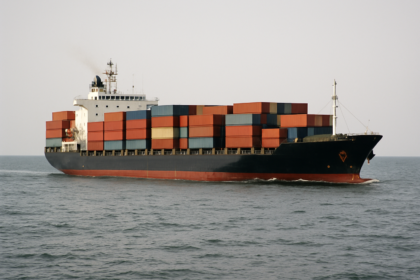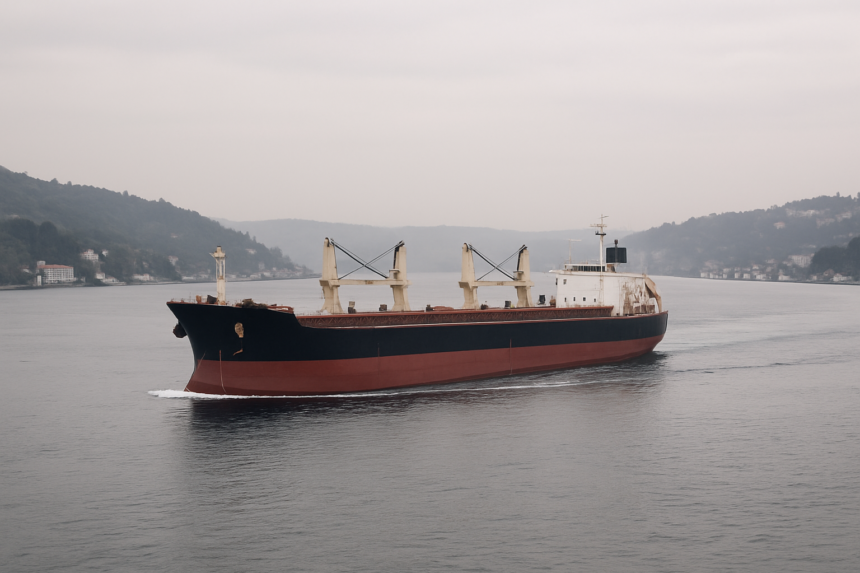
The International Maritime Organization (IMO) has issued a stark warning regarding the dangers still present in the Strait of Hormuz, emphasizing that the waterway remains highly unsafe for commercial shipping. This statement comes in light of recent assertions from U.S. officials suggesting an increase in vessel traffic to the region.
On Tuesday, IMO Secretary-General Arsenio Dominguez conveyed significant concern over the risks facing seafarers navigating the strait. He highlighted that there are currently no credible security guarantees sufficient to warrant exposing commercial operators and their crews to the established dangers. “The current situation remains highly volatile, with no reliable security assurances in place. Under such circumstances, safe passage cannot be considered to exist,” stated Dominguez.
Conflicting Assessments
U.S. Energy Secretary Chris Wright remarked at an Atlantic Council event in Washington that ship traffic and oil exports through the Persian Gulf and Strait of Hormuz are on the rise, characterizing the increase as “very meaningful.” He did, however, caution that it may take months before energy flows normalize fully, following a lasting peace agreement between conflicting parties.

More Read

The contrasting assessments underline a significant disparity between the reported recovery of limited traffic and ongoing security issues confronting operators. Some vessels have resumed transit since an April 8 ceasefire; however, many ships are reportedly navigating using their Automatic Identification System (AIS) transponders turned off and often under the cover of darkness to mitigate risk exposure.
Ongoing Security Concerns
According to a report from Bloomberg, U.S. Central Command noted nearly 1,000 commercial vessel movements into and out of the Strait of Hormuz since the ceasefire, a number significantly surpassing those obtained from traditional commercial ship-tracking data. This discrepancy is largely attributed to the growing number of “dark” transits that do not appear on typical monitoring systems. Despite these figures, the volumes of traffic remain notably below pre-war levels.
The Joint Maritime Information Center (JMIC) continues to classify the security environment in the Arabian Gulf, Gulf of Oman, and Strait of Hormuz as “CRITICAL.” Their assessment underscores that commercial activities remain limited and that routing uncertainties are escalating, complicating navigation due to enforced security measures and operational disruptions. Furthermore, the latest JMIC report indicates a 44.4% decline in vessel transits through the Strait of Hormuz during the most recent reporting week, emphasizing the fragility of the situation as efforts to stabilize the maritime environment are underway.
Why It Matters
The ongoing security issues in the Strait of Hormuz present significant challenges for operators, crews, and charterers attempting to navigate these waters. With the region classified as having a “CRITICAL” security environment, the risk assessments for route planning must account for the potential threats and hazards. Operators are urged to conduct thorough evaluations and prioritize navigator safety, especially as vessel traffic increases amid unresolved geopolitical tensions. The effectiveness and reliability of maritime logistics in this vital chokepoint remain at stake, with close monitoring of security developments essential for safe operations.