The capture of Mokha by Yemen’s Houthis marks a significant shift in control along the Red Sea coastline, positioning the group approximately 80 kilometers from the critically important Bab al-Mandab Strait. This strategic port city was confirmed captured by both Houthi and Yemeni officials on [date not specified], leading to the withdrawal of pro-government forces towards Dhubab.
Strategic Implications
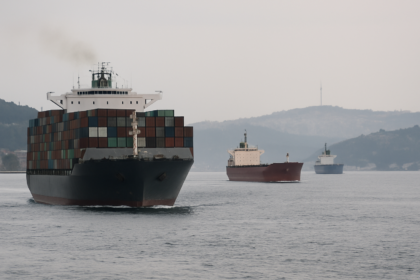
The strategic significance of Mokha lies in its location, providing a tactical advantage for Houthi forces along Yemen’s western coast. This advance could facilitate greater control over maritime traffic in one of the world’s busiest shipping lanes, significantly impacting shipping operations and routing strategies for container vessels and tankers transiting the region.

Ongoing Conflict and Regional Reactions
The continued escalation of hostilities in this part of Yemen has raised alarms among international stakeholders concerned about the implications for regional stability and security. Pro-government forces’ retreat may invite further Houthi advances, potentially disrupting the flow of goods and energy supplies through the Bab al-Mandab Strait, a key maritime chokepoint connecting the Red Sea and the Gulf of Aden.


The Operational Read
The recent advancements by the Houthis in capturing Mokha underscore the operational risks facing commercial shipping in the Red Sea area. With increased uncertainty surrounding vessel safety, shipping operators may need to reassess their risk profiles and consider implementing additional security measures. Additionally, the geopolitical ramifications of Houthi control could lead to altered shipping routes, affecting laytime and demurrage calculations for vessels operating in the region. Observers should be vigilant for potential changes in military engagement and maritime security protocols that may follow these developments.