Update 27 Jul 2026, 22:34 UTC:
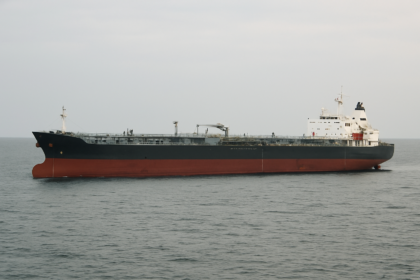
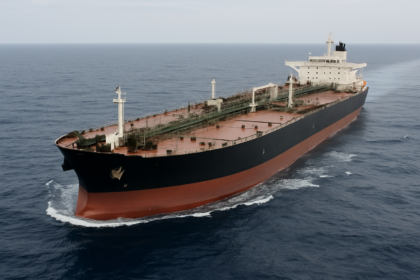
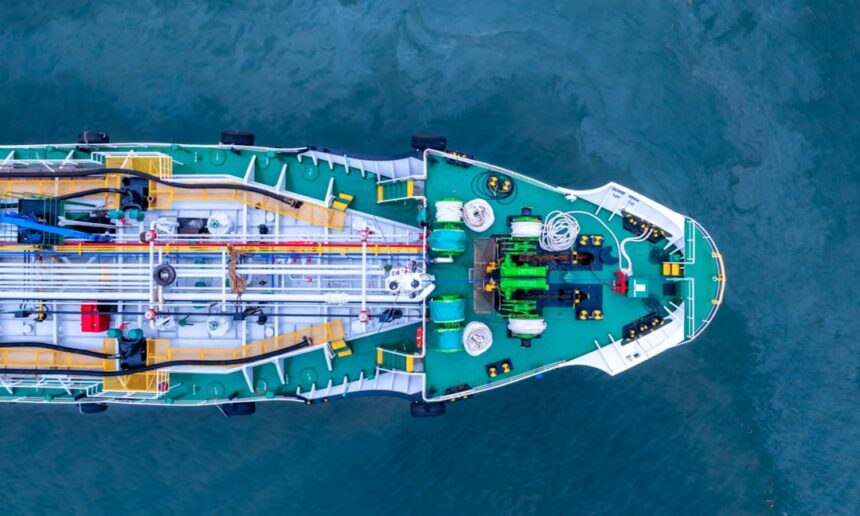
The resurgence of armed conflict in the Middle East has led to a significant drop in tanker traffic through the Strait of Hormuz, with daily crossings falling by approximately 70%. According to risk and compliance data from Kpler, crossings plummeted from about 45 crossings per day between June 7 and July 7, during a temporary truce, to just 13 following the return of hostilities.
The Shift in Shipping Routes
As of late July, the majority of vessels continuing to navigate the Strait of Hormuz have shifted their routes to utilize the Iranian unilateral path, which has not been authorized by the International Maritime Organization (IMO) and is unrecognized by the United States and European Union. During the truce period, the Iranian route carried around 60% of the traffic. That figure soared to approximately 90% by July 22, leaving the Omani route, which traverses through Omani territorial waters, with a mere 10% share of crossings.


Implications for Oil Supply and Pricing
The impact of these developments extends beyond shipping habits. Kpler has adjusted its forecasts for Middle East oil supply, pushing back recovery estimates to early 2027, rather than a return to pre-war output levels by December as previously projected. Current production levels have slumped to around 20 million barrels per day (MBD), significantly beneath the pre-war norm of 27 MBD. Meanwhile, the surge in crude prices—from roughly $70 per barrel in early July to just below $100—indicates the market’s response to tightening supplies.
The Operational Read
The operational implications of the shifting tanker traffic dynamics are significant for both operators and traders. The increased reliance on the Iranian route, attributed to the high cost and unstandardized risk profile associated with the Omani route, reflects a concerning trend for maritime safety and supply predictability. As long as the premium costs for insuring vessels on the Omani route remain high, this option will continue to be seen as marginal. Operators must monitor the evolving route split closely, as it may signal broader shifts in regional supply chains and risk assessments, particularly for those engaged in compliance and logistical planning.