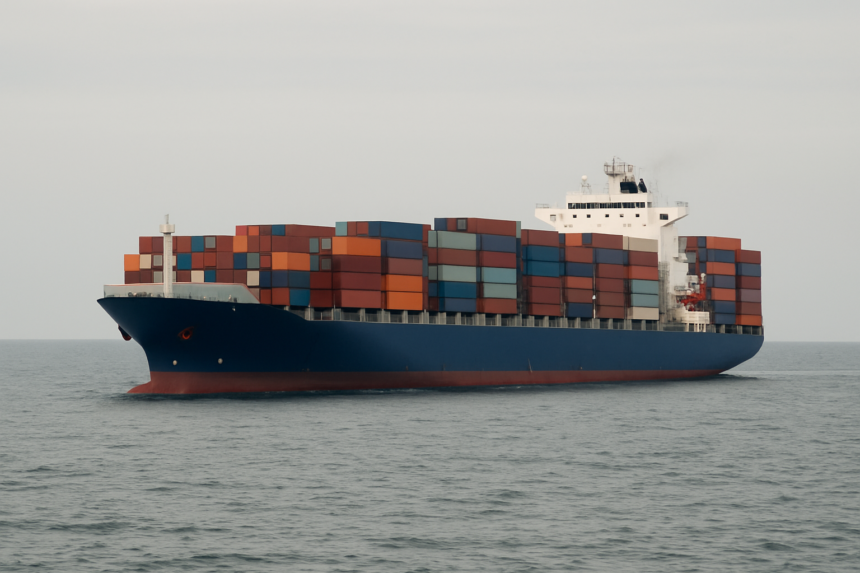
Maersk has announced the continuation of substantial cargo restrictions and emergency surcharges throughout the Persian Gulf, signaling that commercial shipping operations remain far from normalized despite recent diplomatic agreements aimed at reopening the crucial Strait of Hormuz.
Operational Update
In an update issued on Tuesday, Maersk described the geopolitical landscape in the Middle East as “highly volatile,” alerting customers to the potential for rapid changes in conditions. The company’s operational strategy includes suspending or significantly limiting bookings for a diverse range of cargoes across Iraq, Kuwait, Qatar, Bahrain, as well as parts of Saudi Arabia and the United Arab Emirates.
Specific cargo categories that remain restricted include refrigerated shipments, dangerous goods, and oversized cargo, alongside limited availability for various dry cargo bookings. The company is also introducing a new Emergency Freight surcharge specific to the Strait of Hormuz, set at $1,800 for a 20-foot container, $3,000 for a 40-foot container, and $3,800 for reefer, special, and hazardous cargo.

Continuing Challenges
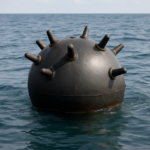
This advisory indicates that the supply chain is still operating under conditions reminiscent of wartime, even as diplomatic dialogues continue for the reopening of this critical shipping corridor. Maersk emphasized the necessity for alternative solutions, stating that shippers must explore new routing and storage options to transport cargo safely to its final destination.
In response to adverse conditions, cargo designated for Kuwait, Iraq, Qatar, Bahrain, and parts of the UAE will be rerouted through the ports of Salalah and Khor Fakkan, preceding overland transportation to reconnect with regional feeder services. During this interim period, cargo already in transit may be placed in temporary storage until safe onward transport can be assured. The company additionally warned that it may declare the “abandonment of carriage” in specific scenarios if disruptions persist.
Insurance Implications
The uncertainties surrounding shipping operations also extend into insurance markets. While Maersk Cargo Insurance services are still available, the company has indicated that numerous insurers have either curtailed or withdrawn coverage for shipments moving through the Red Sea, Gulf of Oman, and Persian Gulf, particularly concerning physical vessel insurance. This situation compels shipping operators to carefully navigate security risks, rerouted supply chains, and the heightened costs resulting from prolonged disruptions in one of the world’s most strategically vital maritime routes.
The Operational Read
This operational reality highlights the need for shipping companies to remain agile in the face of ongoing geopolitical risks. While the reopening of the Strait of Hormuz represents a hopeful development, the operational landscape suggests that traditional trade flows may not resume immediately. Operators must stay vigilant, utilizing alternative routes and solutions to ensure cargo delivery and mitigate risk exposure. Stakeholders should monitor developments closely, as fluctuations in political stability and security conditions can significantly impact operational decisions and insurance coverage options in this pivotal region.