Update 02 Nov 2026, 12:33 UTC:
Iran has proposed a 48-hour timeline for reopening the strategically vital Strait of Hormuz, contingent upon U.S. compliance with its conditions. This offer indicates a potential diplomatic breakthrough amid escalating military tensions, as both nations caution that renewed conflict could have far-reaching regional implications.
Details of the Proposal
According to Iranian Foreign Minister Abbas Araghchi, negotiations facilitated by Qatari mediators have rapidly advanced, condensing Tehran’s initial seven-day reopening plan. Under this revised proposal, actions from the U.S. are expected to take place on the first day, allowing shipping activities to resume on the second.


Concurrently, President Donald Trump has indicated that discussions are progressing positively, although he noted the U.S. is not under immediate pressure to finalize an agreement. Iran has outlined several key demands, including sanctions relief, the release of frozen funds, and restoration of oil waivers. Furthermore, Tehran is insisting on recognition of a shipping route acknowledged by Oman and a reduction of U.S. military presence in the region.
Escalating Military Tensions
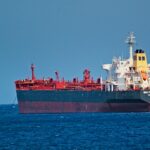
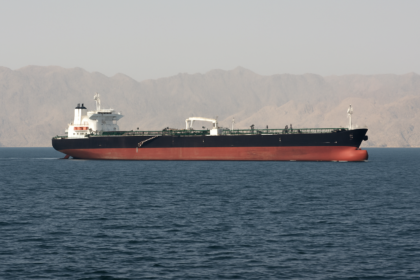
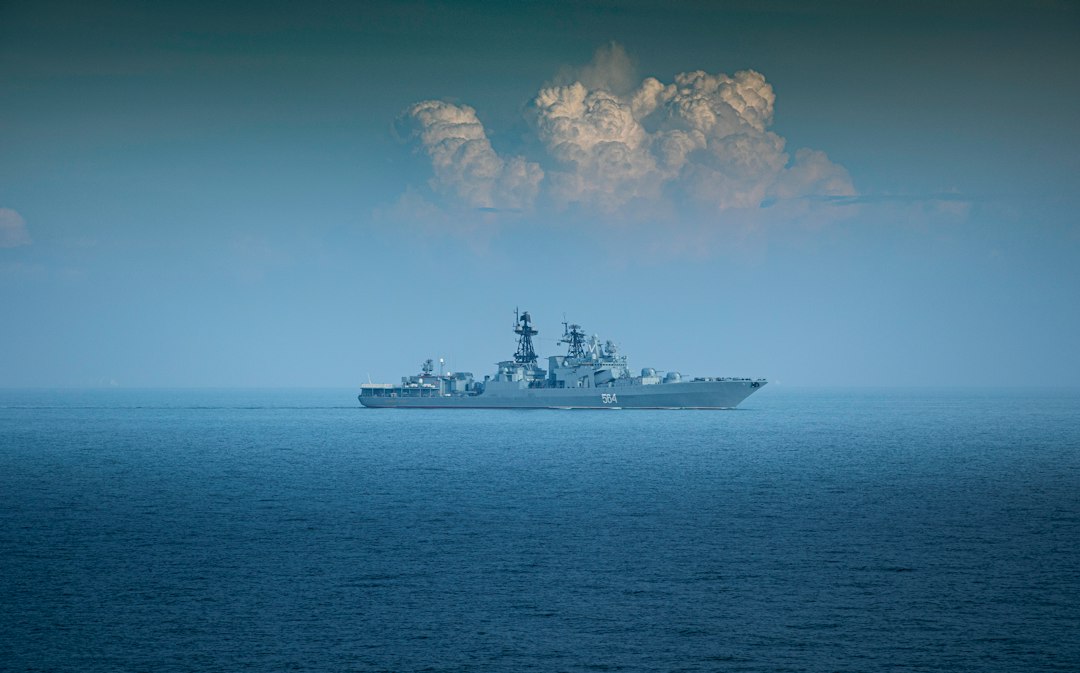
Despite these diplomatic overtures, military tensions remain high. Supreme Leader Mojtaba Khamenei has commanded Iranian forces to prepare for a swift response to any attacks, signaling a readiness to escalate should hostilities resume. Recent incidents, including a tanker that caught fire after reportedly hitting mines and explosions of two oil tankers in unauthorized routes, underscore the risks vessels face in this region.
The U.S. Central Command has reported that its blockade of Iranian ports has led to the redirection of 144 commercial ships, reflecting the increasing disruption to maritime trade through the critical strait. Iranian officials have imposed restrictions on vessels attempting passage and have engaged in aggressive maneuvers that aim to reassert control over this vital waterway.
Global Energy Supply Concerns
The ongoing situation poses significant threats to global energy supplies, particularly as Germany reports its gas storage levels are at 61.35%, notably below the 80% target set ahead of winter. This shortfall is partially attributed to rising energy costs driven by the conflict, highlighting the urgent need for stability in maritime operations in the Strait of Hormuz.
The next few days are critical in determining whether the proposed arrangement for resuming shipping can progress amid these conflicting interests, with the potential for further military escalations remaining a significant concern.
The Operational Read
The potential reopening of the Strait of Hormuz brings mixed implications for shipping operators. While a swift resumption of normal operations could stabilize some routes, the persistent military threats and the volatility of Iranian policies may lead to increased war-risk premiums and higher insurance costs across the board. Operators must prepare for rapid adjustments in their routing strategies, potentially including detours around the Cape of Good Hope, should tensions escalate further. Close monitoring of diplomatic developments remains crucial for stakeholders, as the operational landscape is likely to evolve in response to both military and political maneuvers in the coming days.