Update 16 Jul 2026, 22:37 UTC:
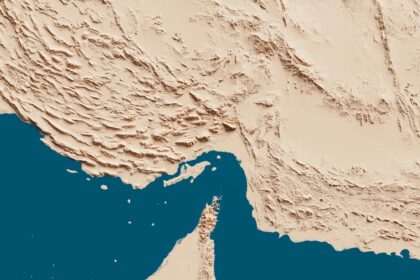
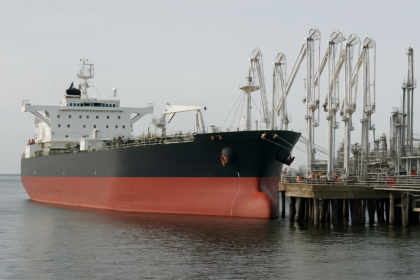
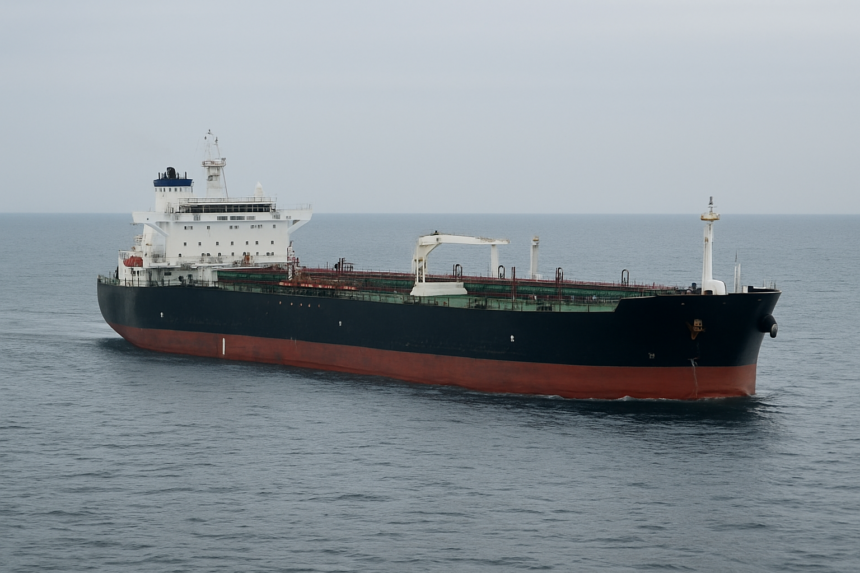
As tensions in the Strait of Hormuz rise, tanker owners are increasingly considering the U.S. Gulf Coast as an alternative for crude logistics. Following U.S. President Donald Trump’s announcement of a blockade against Iranian vessels on July 13, fears regarding the reliability of supply from the Middle East have intensified.
The Incident
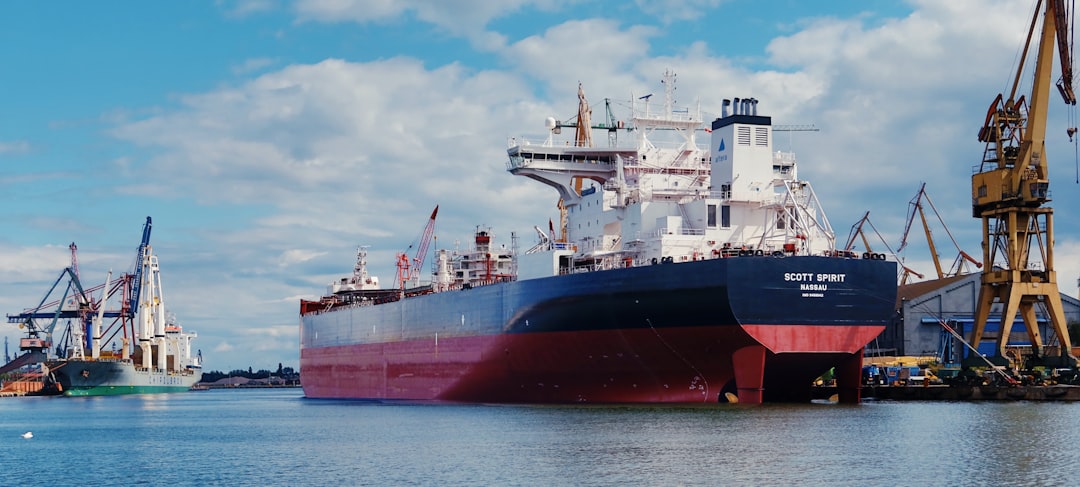
The announcement included a 20% premium on security for transits through the Strait of Hormuz, a measure that has exacerbated uncertainties in the region. Iran has since claimed the strait is closed, citing U.S. violations of existing agreements. Vessels making crossings in the area have predominantly been linked to Iran or are under U.S. sanctions. Data from S&P Global Commodities at Sea reveals that daily crossings rose to 17 on July 13, up from 11 the previous day, yet are still markedly below typical levels.

Market Impact
In response to these developments, crude oil futures surged to one-month highs, with NYMEX August WTI concluding at $79.34 per barrel and ICE September Brent at $84.73 per barrel. The instability is likely to direct more tankers towards the U.S. Gulf Coast, although shipbrokers caution that the market impact may remain muted, given Trump’s tendency for policy reversals.
Recent assessments indicate a rise in freight rates for U.S. Gulf Coast to Transatlantic routes, climbing to w240 on July 14, while freight for the VLCC U.S. Gulf Coast to UK Continent route remained steady at $8.1 million. Notably, the U.S. Gulf Coast VLCC market has seen limited fresh inquiries, as the expected influx of incoming ballasters has yet to materialize.
Operator Response
Tanker operators are now faced with a complex decision-making landscape as geopolitical tensions threaten established shipping routes. The steady flow of Brazilian crude, combined with an influx of cheaper imports from the U.S., hints at possible market adjustments. Overall, as regional security becomes increasingly precarious, operators must stay vigilant for emerging market signals.
The Operational Read
For tanker operators, the implications of the current geopolitical climate extend beyond immediate freight rates. While there is potential for increased ballasting to the U.S. Gulf Coast, operators must navigate the intricate balance of supply and demand, alongside the unpredictability of policy changes from the U.S. administration. Given that many of the vessels transiting the Strait of Hormuz are already linked to sanctioned entities, operators need to assess the risk premium carefully in their logistics strategies. As crude oil demand fluctuates, particularly with the expected rebound in Chinese imports, the broader market landscape could shift rapidly, requiring adaptability and strategic foresight from port operators and charterers alike.