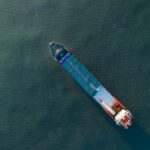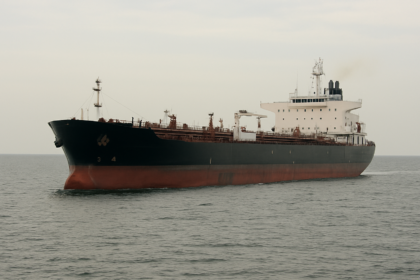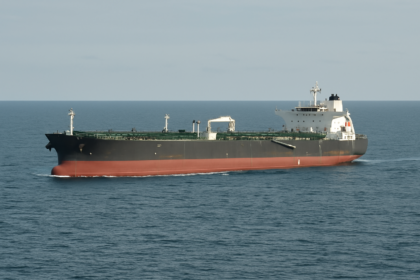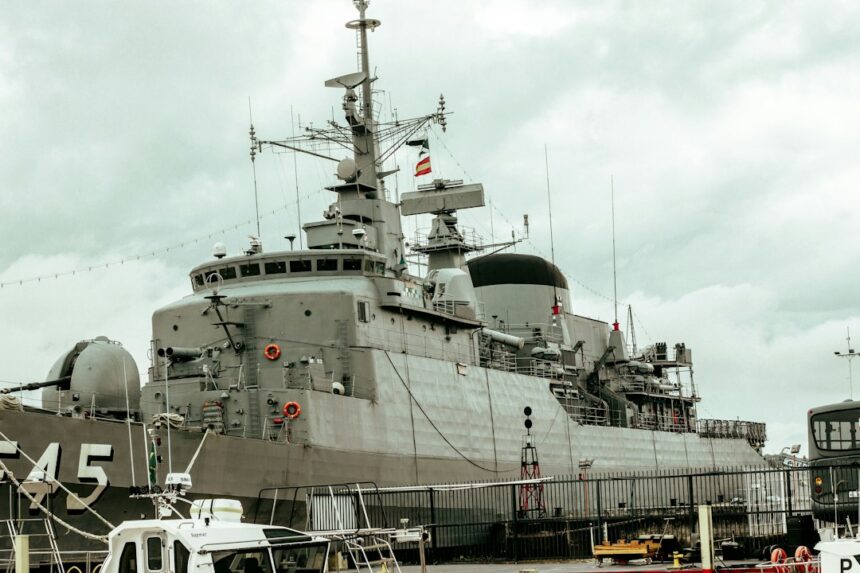
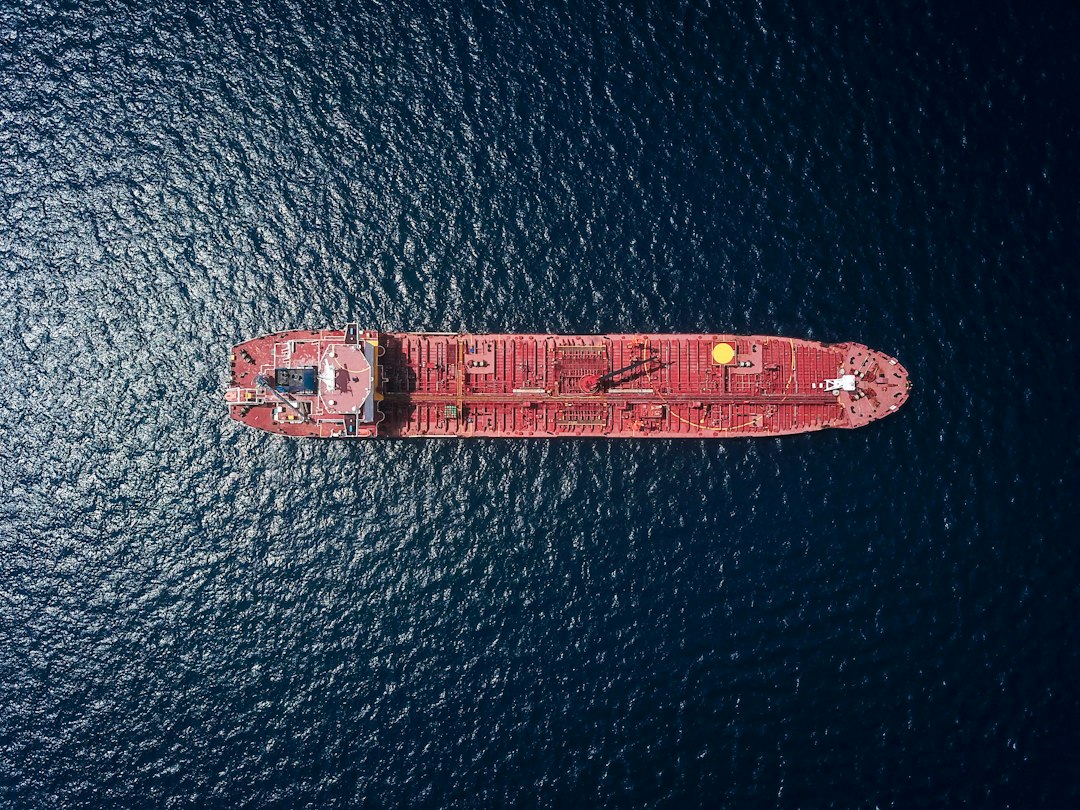
On October 12, 2026, the French Navy conducted its latest operation against shadow fleet activities, boarding the DF PEAK approximately 450 nautical miles south of Réunion. This incident is part of an escalating campaign against vessels suspected of sailing under false flags.
The Context of Shadow Fleet Interdictions
France’s recent interdiction actions mark the sixth instance of boarding operations targeting suspected shadow fleet tankers since September 2025. The shadow fleet phenomenon complicates maritime security, as these vessels frequently engage in flag-hopping and operate under invalid registrations. In June, another suspected vessel, DELIVER, was boarded near Sicily, indicating a sustained effort by the French Navy to enforce maritime law amidst increasing global trade tensions.
According to French authorities, the legal framework supporting their boarding operations is grounded in international law, particularly the United Nations Convention on the Law of the Sea (UNCLOS). This enables warships to board suspected stateless vessels or those flying fraudulent flags under Article 110. Such operations predominantly rely on pre-boarding intelligence assessing the legitimacy of a ship’s flag rather than its cargo, highlighting the identity issue at the core of these actions.

Legal and Operational Challenges
The complexities surrounding shadow fleets are underscored by the operational challenges inherent in verifying a vessel’s identity. The Automatic Identification System (AIS), while critical for collision avoidance, lacks intrinsic measures for confirming a ship’s stated flag. Reports indicate that over 275 internationally trading tankers have been identified as broadcasting flags linked to fraudulent registries, with several having adopted false claims to operate under flags from jurisdictions like Syria and Myanmar.
Legal experts emphasize that proving false flag operations requires cross-referencing AIS broadcasts with independent registry data, ownership histories, and other verifiable records. The increasing prevalence of GPS spoofing has further complicated these efforts, with millions of reported false ship rendezvous adding an additional layer of difficulty in monitoring ship movements and operations effectively.
International Implications and Responses
In response to the French boardings, the Kremlin has condemned these actions as illegal and tantamount to piracy. Such geopolitical tensions underscore the fragile balance of maritime safety and international relations, as nations grapple with illegal activities on the high seas. The rising number of shadow fleet operations poses significant risks not only to national security but also to the integrity of global maritime trade.
The Operational Read
This ongoing wave of French Navy operations against shadow fleet vessels emphasizes the need for robust verification processes within the maritime domain. As the reliance on inconsistent systems like AIS continues, the shipping community must be aware of the legal and operational ramifications of flawed identification practices. Real-time intelligence gathering and stringent enforcement measures will be crucial in countering the increase in deceptive maritime practices. Furthermore, the continued scrutiny of fraudulent registries and the establishment of international protocols for verification will help mitigate risks for vessels operating legitimately in increasingly complex waters.