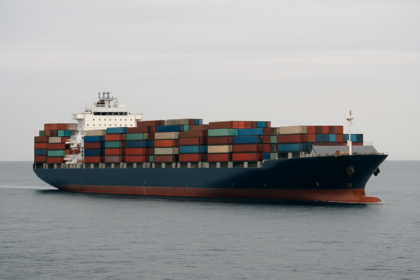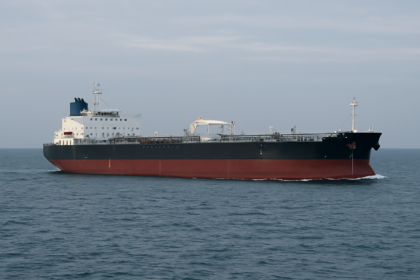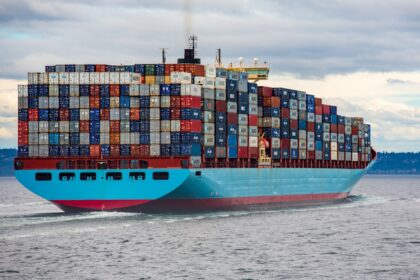
The United States has officially lifted its long-standing security restrictions on vessels arriving from Nigeria, a move that is anticipated to significantly reduce shipping costs and boost the appeal of Nigerian ports to international shipping lines. This decision, announced by Maritime and Blue Economy Minister Adegboyega Oyetola on August 18, comes after a decade of regulations that imposed stringent conditions on vessels previously calling at certain Nigerian ports.
The Conditions of Entry
The Conditions of Entry (CoE), enacted by the U.S. Coast Guard in June 2014, required vessels destined for the United States that had recently visited certain Nigerian ports to undergo additional security protocols. These measures were implemented due to criticisms surrounding deficiencies in Nigeria’s anti-terrorism measures, specifically in areas such as legal oversight, cargo handling procedures, and effective supervisory mechanisms by the designated maritime security authority.
Improvements in Security Measures
Minister Oyetola highlighted that the lifting of these restrictions correlates with substantial improvements in the nation’s maritime security landscape. Following four detailed assessments conducted by the U.S. Coast Guard from March 2024 to April 2026, it was determined that Nigeria had made noticeable advancements in securing its ports in alignment with the International Ship and Port Facility Security Code. As a result, vessels departing from Nigerian ports for the United States will no longer face the previously mandated additional security inspections and documentation requirements.

Market Reaction and Future Prospects
This regulatory change is viewed as a critical step toward enhancing the efficiency of maritime operations emanating from Nigeria. Industry stakeholders have long argued that the former restrictions not only inflated operational costs due to delays and increased freight rates but also discouraged foreign shipping lines from engaging with Nigerian ports. With the lifting of these measures, stakeholders expect improved vessel turnaround times, enhanced schedule reliability, and an overall increase in the attractiveness of Nigerian ports.
The Operational Read
The removal of U.S. security restrictions is poised to transform Nigeria’s shipping landscape substantially. For operators, the immediate benefit translates into decreased laytime and demurrage costs, as reduced inspections expedite vessel movements. Furthermore, the lifting of CoE could encourage increased trade flows, as international shipping lines may find the conditions more favorable. Attention will now turn to the implementation of improved security measures to maintain compliance and prevent the reimposition of restrictions in the future. The evolving maritime security situation in Nigeria will continue to be a critical focus for industry operators and stakeholders.