Sanjeev Sanyal, a member of India’s Prime Minister’s Economic Advisory Council, has warned that India could face substantial economic disruptions if three to four prominent global shipping lines were to limit access, regardless of formal sanctions from major countries. Addressing concerns at News18 DEFCON 2026, Sanyal pointed out that the maritime economic zone of India is nearly 70% that of the country’s landmass.
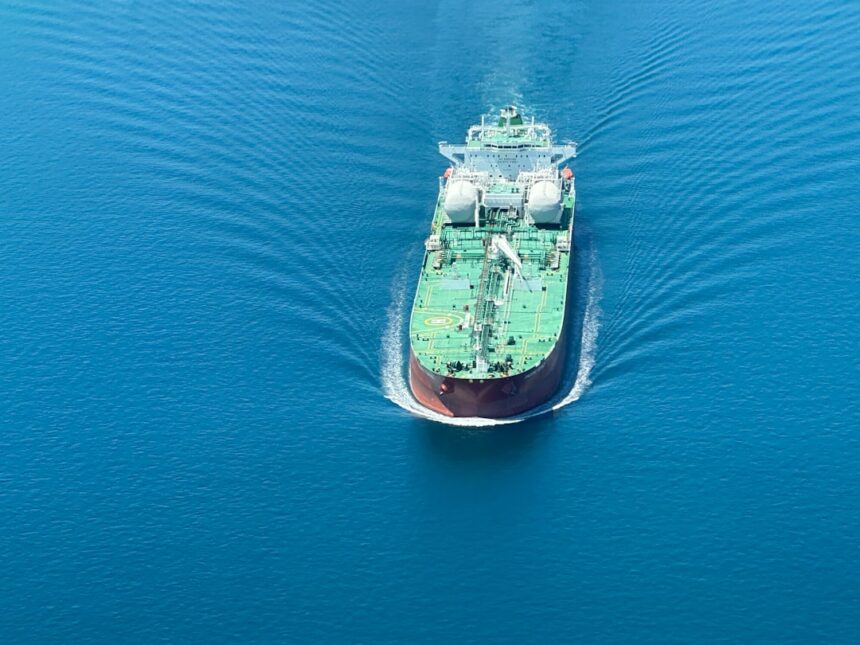
Currently, around 95% of India’s trade by volume and approximately 75% by value is conducted via ships, with a significant proportion of this trade reliant on foreign vessels. Sanyal noted, “Our trade is not only maritime but is controlled almost entirely by foreign shipping lines.” This heavy reliance raises critical concerns about India’s economic and strategic security amidst geopolitical tensions.
Current State of India’s Shipping Industry
Sanyal highlighted that, despite India having around 480 ocean-going vessels, most are medium-sized, which limits the nation’s maritime capabilities. He emphasized the need for serious progress in shipbuilding, ship flagging, and ship ownership to enhance India’s domestic shipping capacity. This necessity arises from the fact that even without formal sanctions, limitations in global shipping access could hinder India’s trade operations.

Amid evolving global dynamics, Sanyal insisted that India must look beyond temporary solutions and commit to long-term investments in its navy. His call to action stresses the importance of developing Indian vessels to secure maritime interests against potential disruptions.
Modernizing Maritime Regulations
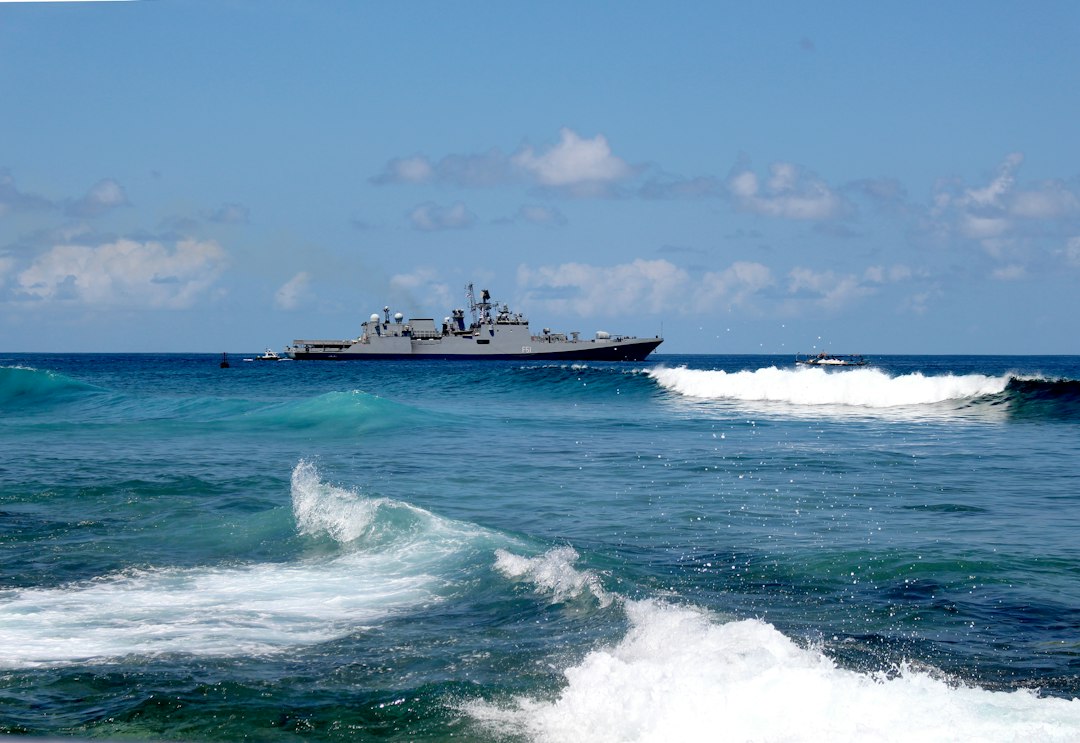
India’s modernization of its maritime regulations aims to fortify the country’s shipping framework. Sanyal noted significant changes have been made to shipping-related laws, some dating back to the 19th century, signaling a transition towards more contemporary governance. Along with these legal updates, India is making substantial investments in shipbuilding to facilitate a transition to a more self-reliant maritime economy.
However, as India attempts to bolster its position within the global shipbuilding landscape, it faces fierce competition from established maritime powerhouses. Sanyal pointed out that while India has the essential components to emerge as a shipbuilding leader, extensive competition persists, particularly from China, which currently accounts for 55% of global shipbuilding, while its regional rivals, South Korea and Japan each cover about 20%.
The Operational Read
The challenges highlighted by Sanyal underscore a critical reality for India’s maritime operators and policymakers: the country’s reliance on foreign shipping lines creates vulnerabilities that could disrupt trade operations under geopolitical pressures. For operators, understanding the landscape of shipping availability is paramount. An investment in domestic capabilities, alongside a more robust naval presence, could bolster India’s strategic advantages in the maritime domain. The path forward involves not only expanding the fleet’s size but ensuring that the regulatory frameworks support an agile and competitive shipping industry. Stakeholders should closely monitor developments in shipbuilding initiatives and governmental policies to gauge the potential shift toward a more self-sufficient maritime economy.