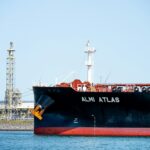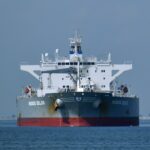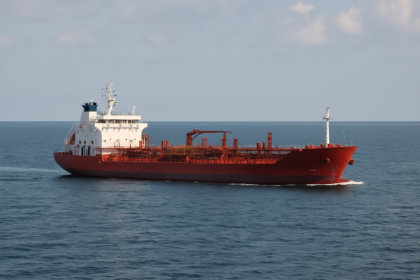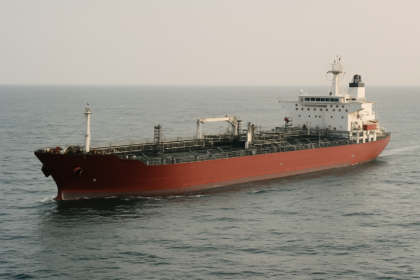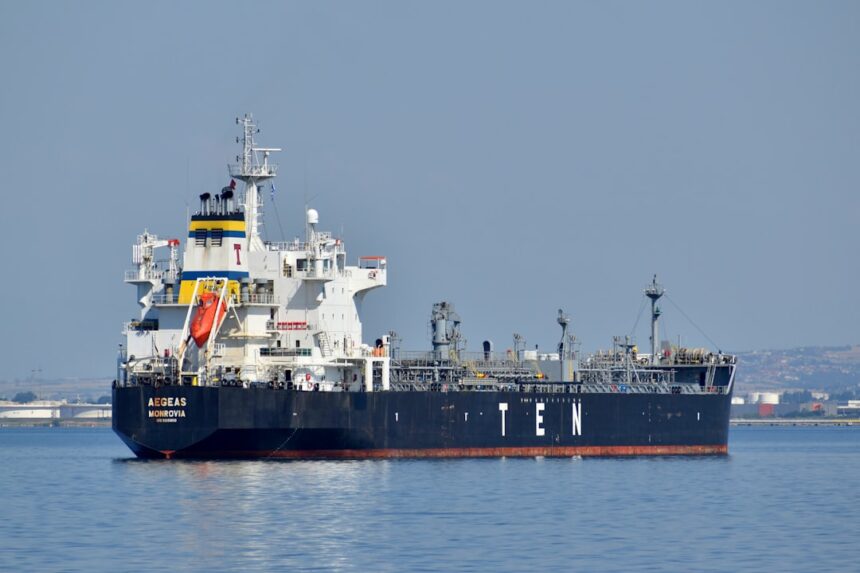
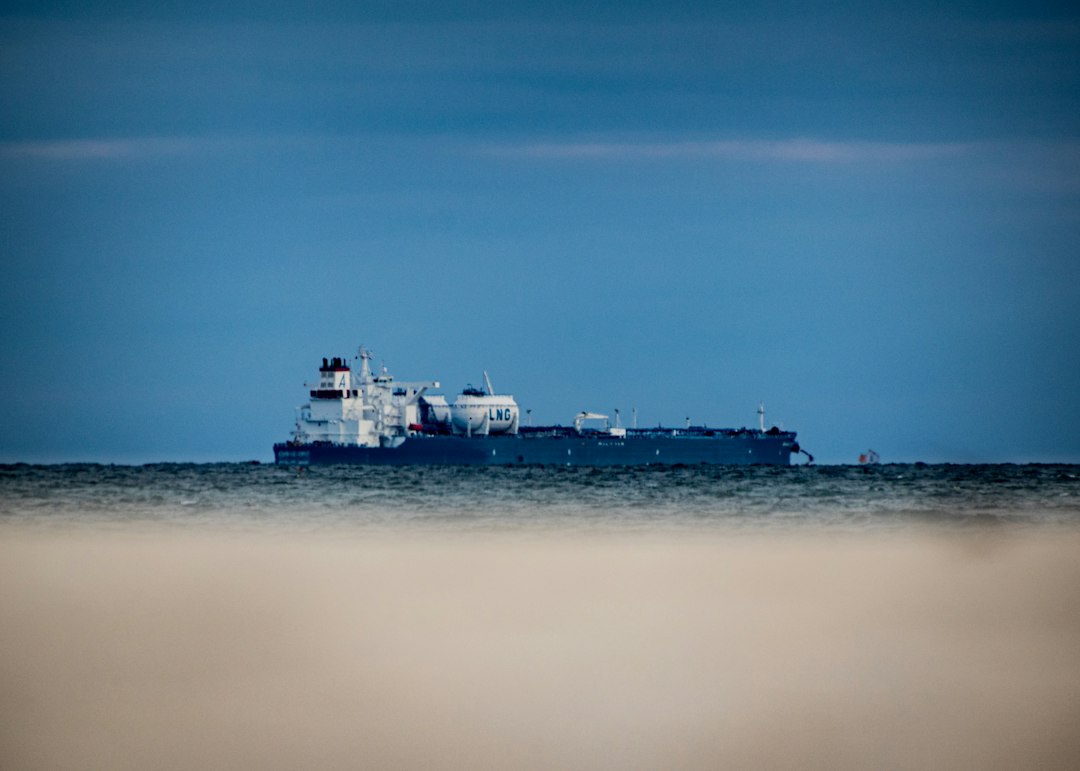
Two supertankers, Tifani and Majestic X, linked to Iran, are currently sailing towards the United States after being interdicted by U.S. naval forces earlier this year. The vessels, which are transporting approximately 4 million barrels of Iranian crude oil valued at nearly $600 million, are expected to reach U.S. ports within weeks, where authorities have already pledged to seize both the ships and the cargo.
The Context of the Conflict
This unusual voyage for Iranian oil barrels comes amid escalating tensions between Washington and Tehran, exacerbated by the ongoing conflict that has spanned several months. The tankers were boarded in April as part of a coordinated effort by U.S. authorities to enforce a blockade aimed at undermining Iran’s oil exports. Following the boarding, the vessels sought to evade detection, changing direction multiple times in the Indian Ocean before ultimately setting course toward Brazil.
The recent journey of these supertankers demonstrates significant disruptions in the maritime oil trade, a key area of concern for global markets. The Justice Department has initiated legal proceedings to forfeit the vessels and the oil they carry under a framework that targets assets linked to illegal activities.

Market Reactions and Future Outlook
The anticipated seizure of the Tifani and Majestic X reflects a broader strategy by U.S. authorities reminiscent of past operations in Venezuela. If they successfully reach a U.S. port, the tankers will mark the first Iranian oil to arrive on American shores since earlier forfeiture actions undertaken in 2023. This context raises both legal and operational implications for shipping operators engaged in Persian Gulf trade and those navigating around U.S. jurisdiction.
Each tanker can carry up to 2 million barrels of crude oil, significantly influencing global oil supply dynamics. The operational strategy employed by the vessels has been notably low in speed—averaging around 8 to 9 knots—which is below the standard operating range of 12 to 13 knots, suggesting the crews may be exercising caution amid heightened surveillance.
The Operational Read
The ongoing situation with the Tifani and Majestic X underscores the complexities of navigational safety and legal compliance in maritime operations, especially in politically charged regions. Operators must remain vigilant as U.S. authorities enhance enforcement measures targeting Iranian oil, which could affect vessel routes and insurance premiums. The precedent set by previous U.S. seizures signals a potential legal quagmire for vessel owners, raising questions about ownership rights and the implications for future shipping contracts. Monitoring the outcome of these seizures will be crucial for understanding evolving risks in the oil transportation sector and may lead to reconsiderations of compliance strategies among operators engaged in similar trades.