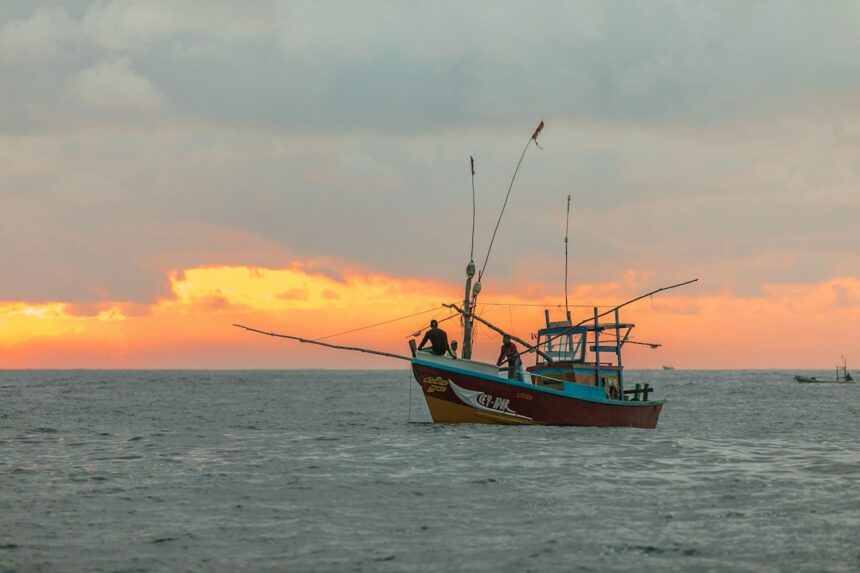
The sinking of the fishing vessel Argos Georgia off the Falkland Islands on July 22, 2024, resulted from a failure of the line-hauling hatch, according to a final report by the UK Marine Accident Investigation Branch (MAIB). The hatch’s unexpected opening during heavy seas led to significant flooding, ultimately causing the vessel to capsize and sink, claiming the lives of 13 of the 27 crew members.
The Incident
While navigating approximately 190 nautical miles east of Port Stanley, the Argos Georgia, a St Helena-registered longliner, experienced a catastrophic failure when water rushed into the line-hauling room after the starboard hatch opened. Initial investigations indicated that the manual securing mechanism for the hatch had not been engaged, preventing the crew from closing it once water ingress began. This flooding triggered a severe starboard list, intensifying until the vessel could no longer remain afloat.
Of the 27 individuals aboard, 14 survived the ordeal. The MAIB’s investigation further noted that several factors aggravated the flooding: open weathertight doors, compromised electrical systems, and the challenging weather conditions that impeded effective emergency responses.

Safety Concerns Identified
The MAIB report detailed significant deficiencies in the crew’s response to the flooding incident. Delays were noted in both declaring a distress situation and executing the abandonment plan, which compromised the chances for effective rescue operations. Extreme weather conditions, damage to liferafts, and limited evacuation controls heightened the risk to crew members exposed to the cold sea temperatures.
The findings prompted Chief Inspector of Marine Accidents Rob Loder to emphasize the critical importance of maintaining watertight integrity aboard fishing vessels. He noted that adherence to maintenance protocols and rapid execution of emergency plans are vital for survival in demanding maritime environments. Additionally, various shortcomings were identified in the oversight provided by Argos Froyanes Limited, which manages the Argos Georgia. The investigation recommended the establishment of a comprehensive safety management framework and enhanced training for crew members.
Market Impact & Recommendations
The MAIB’s recommendations include urging the UK Maritime and Coastguard Agency to amend regulations to mandate automatic locking mechanisms for shell doors on fishing vessels over 24 meters. Such improvements are aimed at enhancing the safety of fishing operations, particularly in remote and hazardous areas. Furthermore, local authorities in the Falkland Islands are advised to bolster their maritime search and rescue communication capabilities to ensure reliable distress response for vessels operating in the region.
The Operational Read
The tragic incident involving Argos Georgia serves as a poignant reminder of the inherent dangers associated with commercial fishing in remote waters. For operators, the necessity of implementing robust safety protocols and regular emergency response drills is paramount. The recommendations from the MAIB point to an urgent need for enhanced regulatory frameworks surrounding vessel maintenance and emergency preparedness. Attention to watertight integrity and crew training can significantly reduce the probability of similar tragedies. Shipping companies must focus on not only compliance with existing regulations but also proactively address potential risks to safeguard their crews and vessels.