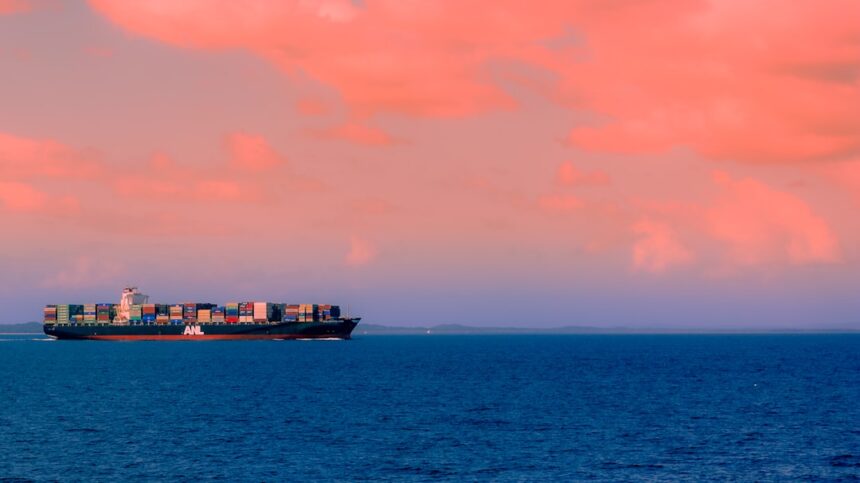
During an Arria-Formula meeting at the United Nations Security Council in New York, Thomas A. Kazakos, Secretary General of the International Chamber of Shipping (ICS), addressed the pressing issue of maritime security and the essential principle of freedom of navigation. His remarks came amid increasing geopolitical tensions, particularly in the Persian Gulf, a region vital to global trade.
The Security Landscape
Kazakos’s address was part of a broader discussion convened by the Kingdom of Bahrain, which underscored the urgent need to ensure safe and predictable navigational routes for commercial vessels. He noted the profound repercussions that insecurity at sea can have on global trade and the economy, stressing that the ability to navigate international waters safely is critical for the shipping industry and by extension, global trade.
“Shipping must not be held to ransom,” Kazakos emphasized, as he addressed the ongoing disruptions in the Strait of Hormuz, one of the world’s critical arteries for oil trade, carrying approximately one quarter of global seaborne oil as well as significant volumes of liquefied natural gas (LNG) and fertilizers. This highlights not only the critical economic implications but also the strategic importance of the strait in the current geopolitical climate.

Humanitarian Concerns
In his remarks, Kazakos also called attention to the human costs associated with the deteriorating security environment. He argued that seafarers, who are civilians and not parties to geopolitical conflicts, are essential in transporting vital goods such as food, energy, and medical supplies to communities globally. Their safety and welfare should be regarded as a paramount concern.
The ICS reiterated the stance that commercial vessels and their crews must not be treated as collateral in broader political or military disputes. The existing international legal framework governing navigation must be respected, ensuring that straits do not become toll roads subject to arbitrary geopolitical influences.
The Operational Read
The address by the ICS at the UN Security Council spotlighted significant operational realities for the maritime industry. Operators must now navigate not only the logistical complexities of global trade routes but also evolving geopolitical tensions that can impact shipping safety and efficiency. With a significant portion of global energy supplies transiting the Strait of Hormuz, ensuring secure passage is crucial. It is essential for shipping companies to engage proactively with governmental and international bodies to safeguard navigational freedoms and maintain the flow of goods, especially as the industry confronts risks associated with geopolitical conflicts.