New Jersey Governor Mikie Sherrill has issued a dire warning to port and terminal operators regarding the handling of Russian diesel shipments. In a letter sent on Monday, Sherrill stated that any acceptance of such shipments could violate federal law and expose businesses to severe financial penalties, potentially amounting to millions of dollars.
The governor’s warning comes in response to the Trump administration’s General License 135, issued by the Treasury Department’s Office of Foreign Assets Control (OFAC) on October 9. This license temporarily permits the importation of Russian-origin diesel through April 7, 2027, aimed at alleviating rising fuel prices. However, Sherrill insists that this authorization is at odds with the Ending Importation of Russian Oil Act, which banned imports of Russian oil and petroleum products, including diesel, following Russia’s invasion of Ukraine.
The Legal Controversy
Sherrill contends that the federal license should not override congressional law without undergoing an appropriate review process. Her position emphasizes that neither the President nor the Treasury Department possesses the authority to circumvent the established import ban. She cautions all operators involved that participation in what she describes as unlawful importation could lead to penalties equivalent to the cargo’s value under federal customs law.


The Situation with the Agioi Fanendes
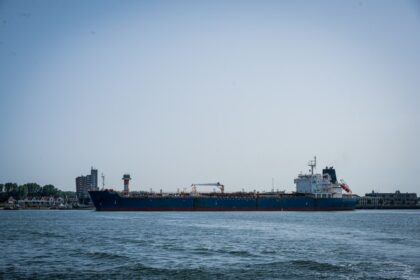
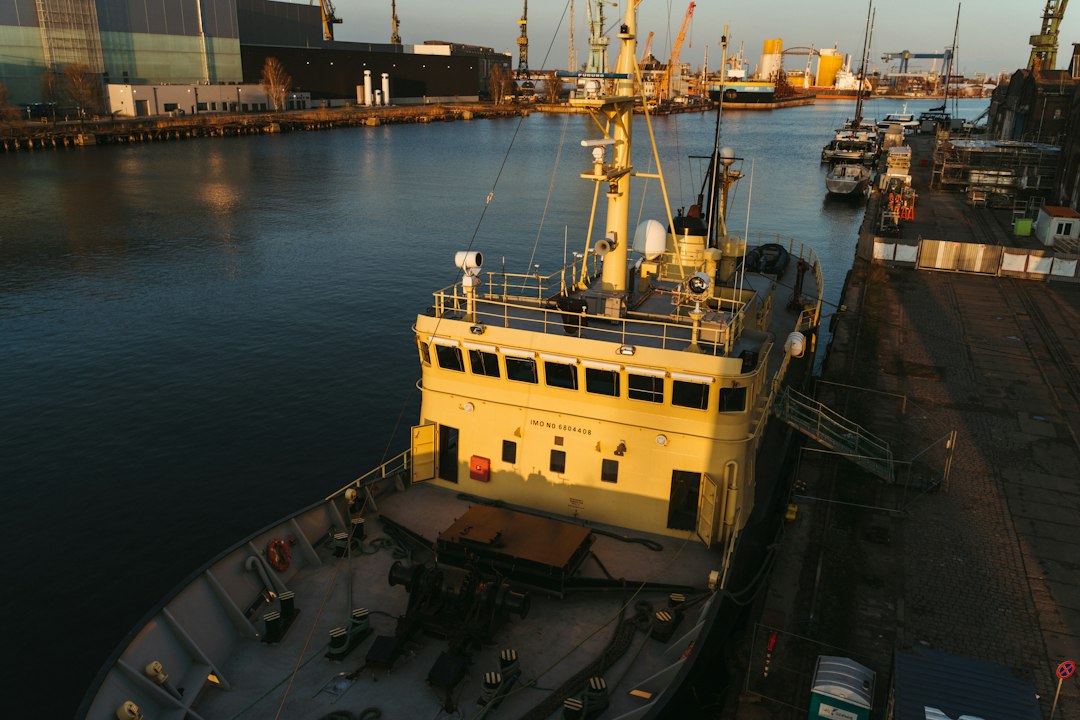
At present, the Malta-flagged product tanker Agioi Fanendes is en route to the U.S. East Coast, having loaded around 40,000 metric tons of diesel at Primorsk, Russia, on October 22. Initially destined for New York with an estimated arrival around November 7, the tanker has now altered its AIS destination to “for orders,” creating uncertainty regarding its unloading location. According to maritime intelligence firm Windward, Agioi Fanendes is the only one of three Russian diesel tankers reported as heading for the U.S. that remains on course, while the other two, Talisman and Leruo, have shifted their intended destinations.
The situation remains fluid as the Treasury Department maintains that its decision to authorize these imports aligns with legal standards. However, heightened tension between federal and state authorities places terminal operators in a challenging position, navigating between compliance obligations and the risks posed by potential legal ramifications.
Operator Challenges and Next Steps
The mixed signals from federal and state authorities create an intricate legal landscape for shipowners, charterers, and terminal operators. As highlighted by Senator Richard Blumenthal (D-CT), who called on the Agioi Fanendes’ owner to redirect the vessel, the need for clarity in import regulations is becoming increasingly urgent. The potential for significant penalties elevates the stakes for companies involved as they assess their exposure to future legal challenges.
Behind the Headline
The interplay between federal authorizations and state-level regulations in this case underscores the complexities surrounding maritime operations and legal compliance. For terminal operators, the risk of handling Russian diesel could result in costly penalties and reputational damage, prompting a reevaluation of risk management strategies. With political pressures mounting, stakeholders must remain vigilant and adaptable as they navigate these evolving circumstances in the global energy market.