The Abu Dhabi National Oil Company (ADNOC) has initiated a call for a fundamental rethinking of energy security in light of significant disruptions experienced this year, particularly following events in the Strait of Hormuz. In his keynote address at ADIPEC 2026 in Abu Dhabi, Dr. Sultan bin Ahmed Al Jaber, Managing Director and Group CEO of ADNOC, outlined the scale of the situation, noting that nearly one billion barrels of crude have been removed from global inventories since the disturbances began.
Current State of Energy Supply
Dr. Al Jaber highlighted the critical vulnerabilities exposed within international supply chains, stressing that energy security has become a prevalent concern not only among specialists but also among the general populace, from homeowners to business owners. He pointed out that diesel stocks have reached their lowest levels in 35 years across various markets, and some are facing a significant liquefied natural gas (LNG) supply gap of approximately 600 billion cubic feet.

Logistics and Cost Implications
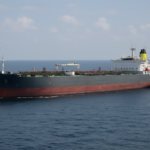
The ADNOC CEO drew attention to the dramatic shift in logistics costs associated with energy supply, noting that these costs have surged to more than 30 percent of the total cost per barrel, up from less than five percent prior to the disruptions. He emphasized that energy security must now be evaluated not only at production points but also critically at delivery points.

Five Steps for Enhanced Resilience
Addressing the need for a more resilient energy system, Dr. Al Jaber proposed five actionable steps for the industry. First, he called for increased strategic storage capacity and larger product stockpiles to ensure accessible supply. Second, he underscored the necessity of developing infrastructure to facilitate routes to market, emphasizing that supply only has value if it can be delivered efficiently. Third, he urged a shift towards operational intelligence, encouraging a transition from automation to intelligent energy systems capable of anticipating risks and optimizing performance.
Additionally, he highlighted the importance of confidence in capital markets as a driver of investment and trade continuity and stressed the essential role of personnel in the energy supply chain, stating, “Behind every barrel that arrives is a person who made sure it did.” This human element is vital in maintaining system accountability and reliability.
The Operational Read
The ADNOC CEO’s remarks reflect the pressing need for the global energy industry to adapt swiftly to evolving market conditions. As operational costs soar and supply chains face unprecedented pressures, the emphasis on building resilient systems cannot be overstated. For operators and charterers, the current landscape calls for increased vigilance in risk management and logistics optimization. Future collaborations, especially those leveraging technology like AI, will be crucial in enhancing operational efficiencies. Stakeholders should now seek to strengthen partnerships and invest in infrastructures that ensure not only the supply of energy but also its safe delivery to markets.