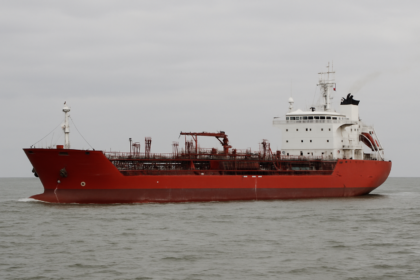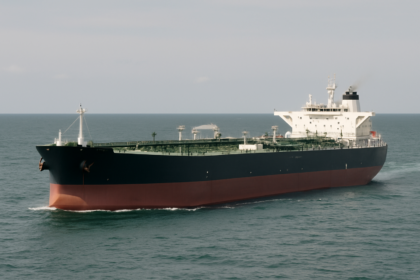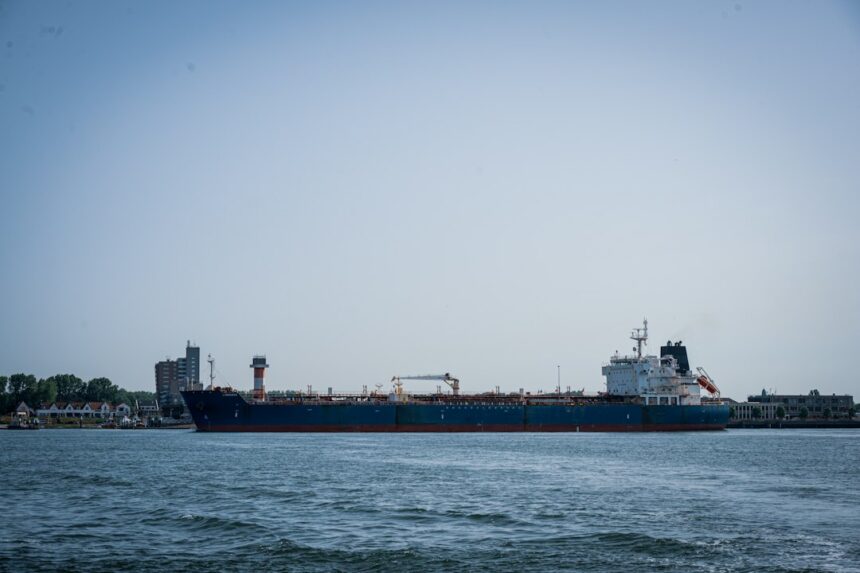
The international oil market is facing significant disruption due to a shortage of supertankers, leading to soaring freight costs that threaten long-distance crude trades. Currently, moving oil from Houston to Asia incurs an additional cost of about $26 per barrel, totaling $52 million per cargo—this increase amounts to nearly a quarter of the price for West Texas Intermediate futures.
Market Conditions
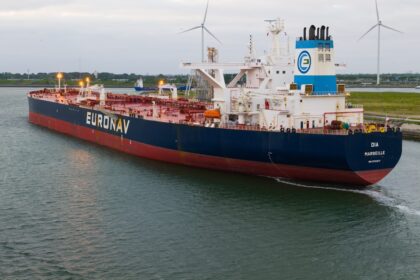
The surge in shipping costs is a result of a constrained supply of supertankers, each capable of transporting significant volumes of crude oil but now limited in availability. This scarcity is causing oil refiners to pivot towards local supplies whenever possible, as the economic viability of long-haul shipments is called into question. The value of the global fleet of oil tankers has experienced a dramatic increase, rising to nearly $70 billion, driven by the tight market conditions affecting shipping.
Saad Rahim, chief economist of Trafigura Group, emphasized at a recent Bloomberg Commodity Investor Forum that shipping has never been more expensive. This situation makes logistics planning increasingly complex as freight costs represent a larger portion of the overall cargo value.

Impact on Trade Routes
Historically lucrative long-haul routes are now becoming less attractive. Ship-tracking data from Vortexa indicates a recent decline in oil flows from the U.S. to Asia, coinciding with a sharp rise in freight costs. As an example, Japanese refiners are resorting to purchasing Alaskan crude—traditionally unsuitable for their processing methods—due to its relatively shorter distance for shipping. This shift reflects a growing preference for shorter trading routes, a trend also evident in rising crude prices in Europe, where Brent and European Dated Brent prices have escalated as buyers seek local barrels.
With Saudi Arabia’s recent decision to withhold cargoes under term contracts, European processors are scrambling to secure replacements, primarily from short-haul sources. Outside Europe, demand for Angolan oil, which typically covers extensive distances to reach China, has slumped, further highlighting how the current freight environment is reshaping global trading patterns.
Market Outlook
Industry analysts warn that prevailing freight levels may become self-limiting, as they could effectively close arbitrage routes and diminish the appetite for the priciest long-haul shipments. This outcome is particularly concerning for oil refiners who face the risk of being unable to transform crude into fuels profitably due to elevated shipping costs, thereby affecting oil procurement strategies on a larger scale.
Behind the Headline
The current dynamics in the cargo shipping market underscore the intricate relationship between freight costs and the overall supply of crude oil. As operators grapple with increased shipping rates, the profitability of long-haul routes diminishes, potentially reshaping trade flows and supply chain strategies. The situation is noteworthy for operators and charterers who must rethink logistics in light of sustained high prices. Continued monitoring of market fluctuations and supertanker availability will be critical as the industry adapts to these evolving challenges.