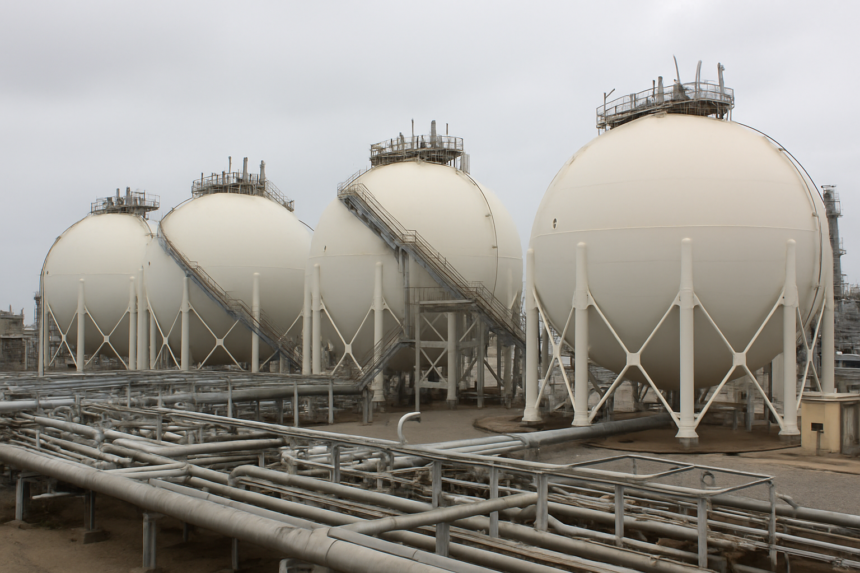
On June 22, an explosion at Qatar’s Ras Laffan liquefied natural gas (LNG) facility resulted in the death of 13 individuals and left 66 others injured. The incident transpired during the restart of operations at the Barzan local gas supply facility, which had been suspended for urgent maintenance following Iranian missile strikes in March that had impacted production capacity.
The Incident
Officials from Qatar’s Energy Ministry, including Minister Saad al-Kaabi, stated that the explosion was classified as a ‘technical accident’ rather than sabotage. The fatalities involved workers from India and Pakistan. The Barzan facility had only resumed operations two days prior after being completely offline since December 2025 due to necessary repairs.
The explosion’s shock was felt throughout central Doha, causing significant concern among residents as far as 70 kilometers away. Al-Kaabi reassured that there was no environmental risk and confirmed the facility’s export capabilities remained intact. An investigation into the cause of the explosion has commenced.

Market Implications
This tragic incident highlights the considerable challenges faced by Gulf producers as they navigate the complexities of ramping up oil and gas production amidst ongoing regional conflicts. Qatar has been significantly impacted by the war’s repercussions, particularly due to the blockade of alternative export routes following incidents in the Strait of Hormuz. The reliance on the Barzan facility for local industrial gas supply adds to the urgency of restoring full operational capacity.
Restarting LNG production involves meticulous procedural steps, particularly the gradual cooldown process crucial to prevent thermal shock. This process necessitates individual sequenced restarts of the LNG trains, complicating efforts to return to full operational status. Following the earlier Iranian missile attack that reduced Qatar’s LNG export capacity by approximately 17%, QatarEnergy faces an extended timeline of three to five years for repairs to affected facilities.
The Operational Read
The recent explosion at the Barzan facility underscores the operational risks associated with restarting LNG production in a complex geopolitical environment. Operators must consider the implications of both mechanical failures and external threats. LNG facilities require significant downtime for maintenance and safety checks, which can be compounded by geopolitical tensions that hinder logistical considerations. The viability of Qatar’s LNG supply chain is increasingly precarious, and future developments in regional security and operational protocols will be critical as the industry seeks stability in these challenging waters.