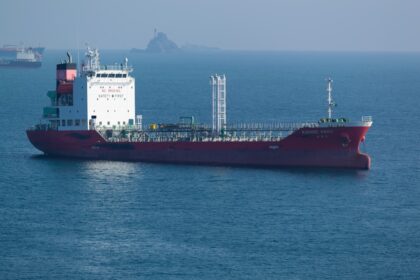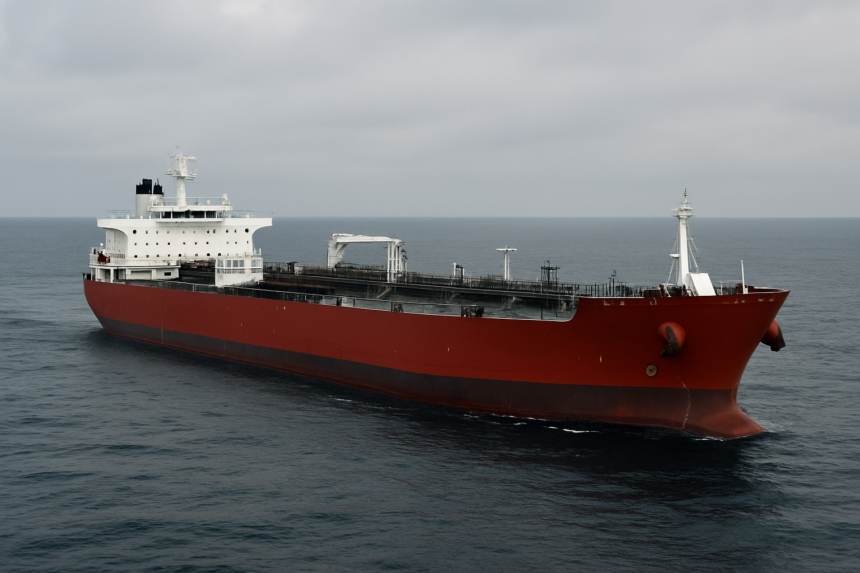
U.S. Secretary of State Marco Rubio has defended the enforcement of blockade operations in the Strait of Hormuz in response to a formal protest from India regarding the deaths of three Indian mariners. According to a State Department statement released on Friday, Rubio emphasized the necessity for all commercial vessels in the region to follow orders from U.S. forces to maintain peace and security.
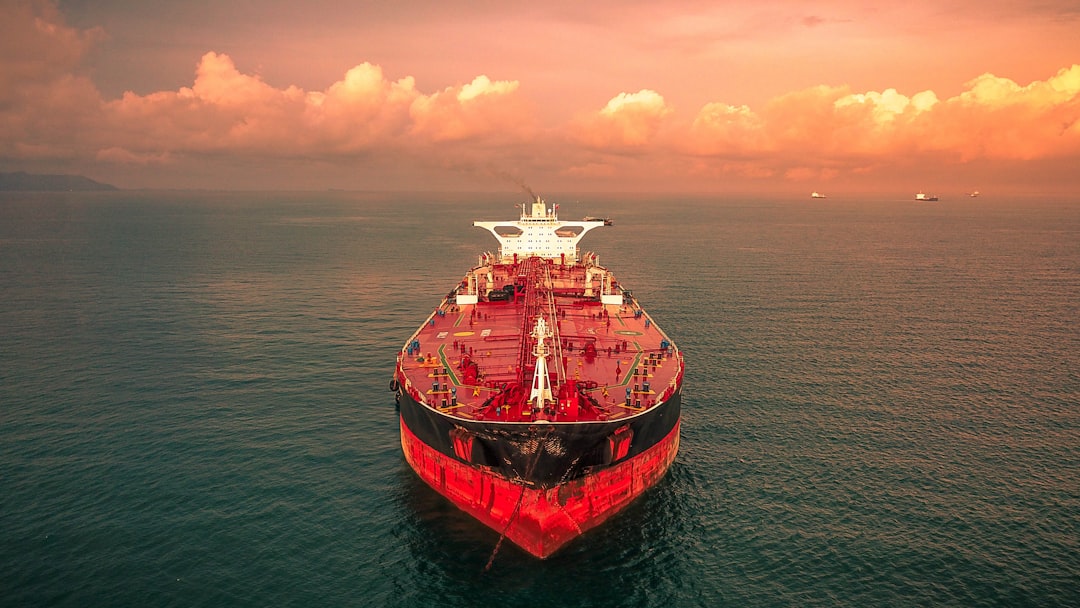
During a call with Indian External Affairs Minister S. Jaishankar, Rubio stressed that any violation of the blockade and the transport of Iranian oil would not be tolerated, marking a significant moment in U.S.-India relations as India expressed its strong opposition to the lethal incident involving the tanker Settebello.
The Incident
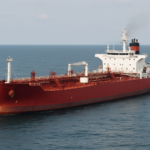
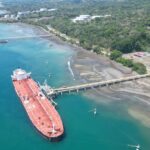
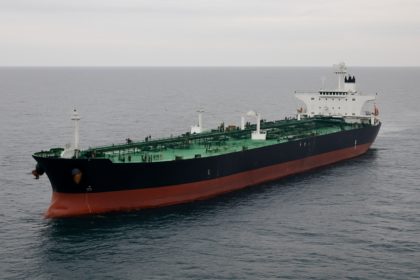
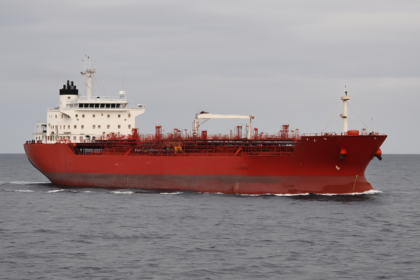
On June 9, the U.S. Coast Guard enforced a blockade operation that resulted in the deaths of three Indian seafarers aboard the Settebello, the first confirmed fatalities linked to U.S. actions against Iranian oil shipments. In a separate but related incident, U.S. forces disabled the tanker Jalveer shortly thereafter, successfully rescuing all 20 Indian crew members. Additionally, another vessel, Marivex, was also disabled in the region. These incidents highlight the precarious position of Indian crews amid rising maritime tensions.

Diplomatic Tensions
The exchange between Rubio and Jaishankar signifies an escalating diplomatic dispute that centers on the operational safety of merchant crews amid heightened enforcement activities. The situation is exacerbated by a security advisory issued by India’s Directorate General of Shipping, which warns of the heightened risks for Indian seafarers and advises against deploying them to conflict-prone areas until further notice.
These developments come as the U.S. continues to position itself firmly on sanctions enforcement, even as India emphasizes the need to consider the human cost associated with military directives impacting civilian maritime operations. From Washington’s perspective, strict compliance with military orders is paramount, reflecting a broader strategy aimed at curbing Iranian oil exports.
The Operational Read
The operational implications of these incidents are profound for shipping companies and crewing agencies, particularly those employing Indian nationals. As one of the largest suppliers of merchant mariners globally, India’s stances on crew safety and operational deployments are now crucial for charterers and operators navigating complex geopolitical waters. The caution advised by the Directorate General of Shipping may lead to reduced crew availability and operations in high-risk areas, directly impacting shipping schedules and costs. Stakeholders should closely monitor the unfolding diplomatic relations, as the U.S.-India dialogue evolves and its potential implications for crew safety and operational readiness continue to rise.