Update 30 Oct 2026, 18:35 UTC:
Dockworkers across 113 ports in 22 countries participated in a coordinated protest and strike on October 30, aimed at opposing arms shipments to Israel and the use of commercial ports for military logistics. Organized under the slogan “Dockworkers Don’t Work for War,” this movement has involved more than 25 unions globally, marking a significant moment in labor activism within the maritime sector.
Scope of the Strikes
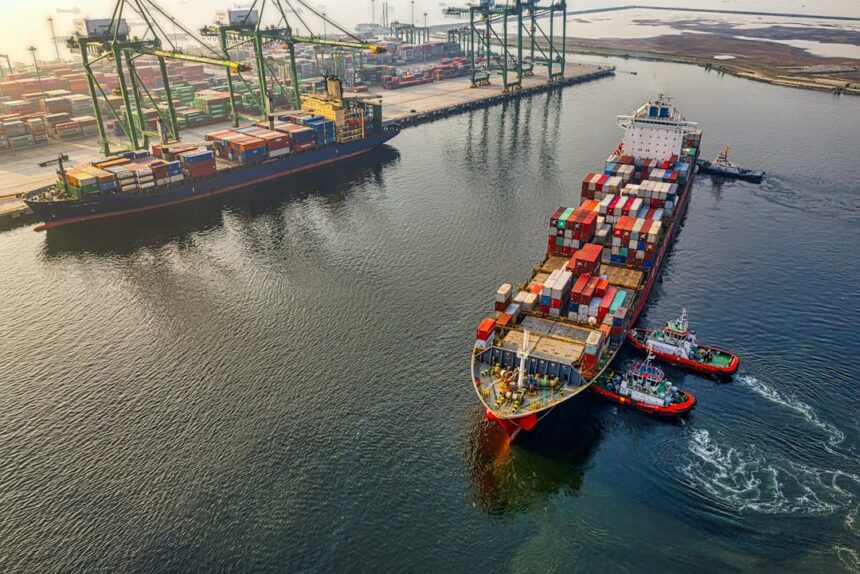
The protest is described as the largest coordinated port action of its kind, with estimates indicating that approximately 52,000 containers carrying an estimated $2.8 billion worth of cargo could face delays. Direct economic impacts of the action are calculated to be around $57 million, though these figures have not been independently confirmed. Disruptions are particularly pronounced in France, Italy, Greece, and Türkiye, where unions have initiated 24-hour strikes. In Greece, for instance, the Port of Piraeus reported significant walkouts disrupting both cargo operations and ferry services.

Global Participation
The demonstrations have expanded to countries beyond Europe and the Mediterranean, with notable participation in India, Australia, Brazil, Mexico, Uruguay, and the United States. On the U.S. West Coast, the International Longshore and Warehouse Union (ILWU) Local 10 organized actions in Oakland and San Francisco. The movement witnessed contributions from various unions, including Germany’s ver.di, Sweden’s Svenska Hamnarbetarförbundet, Denmark’s 3F, and the Maritime Union of Australia.
Support from the ITF
The International Transport Workers’ Federation (ITF) has expressed strong support for the dockworkers’ actions, advocating for the respect of workers’ rights to refuse military cargo without fear of retaliation. ITF General Secretary Stephen Cotton highlighted the necessity for governments to cease the flow of arms that violate international humanitarian law. This protest also seeks to address broader issues concerning workers’ demands for better wages, improved working conditions, and safeguards against increasing automation within the industry.
Analysts note that the demonstrations reflect an urgency within labor movements to contest military spending amid increasing economic pressures on working individuals. ITF President Paddy Crumlin criticized government priorities that favor military expenditure over worker welfare, affirming that dockworkers possess a legitimate right to confront what he regards as an anti-worker agenda.
Behind the Headline
The coordinated strike by dockworkers across multiple global ports underscores the rising tensions surrounding the transportation of military cargo through commercial channels. For operators, the implications extend beyond immediate disruptions, potentially reshaping labor relations at major shipping hubs. The increased integration of labor activism into the operational landscape of ports may prompt reevaluation of logistics strategies. Moving forward, companies should monitor evolving labor dynamics and prepare for potential delays and operational impacts as dockworker solidarity movements continue to gain momentum across both established and emerging markets.