Update 23 Sep 2026, 10:37 UTC:
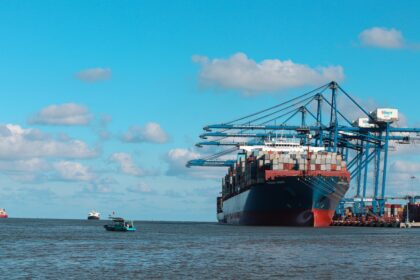
Maersk, the world’s second-largest shipping group, has intensified its operations via the Suez Canal, responding to the complexities of a tightly constrained global shipping market. With disruptions in the Middle East impacting trade flows, the move is aimed at enhancing transit efficiency between Asia and Europe.
Operational Adjustments in Response to Disruptions
During the European Association of Chemical Distributors (Fecc) annual conference, Patrick Hore, global vertical head of chemicals at Maersk, declared significant operational changes as they adapt to ongoing maritime disruptions, particularly in the Red Sea and the Strait of Hormuz. Maersk has now reinstated six major services through the Suez Canal, a route favored for its capacity to reduce both transit times and CO2 emissions when compared to the longer passage around the Cape of Good Hope.

“We’re sending more and more services through the Red Sea and Suez Canal,” Hore noted, indicating a gradual return to normal operation levels. This is a strategic shift aimed at improving shipping efficiencies and potentially reducing costs for chemical imports arriving from Asia.
Challenges in the Global Container Market
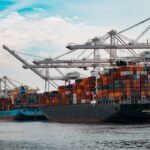
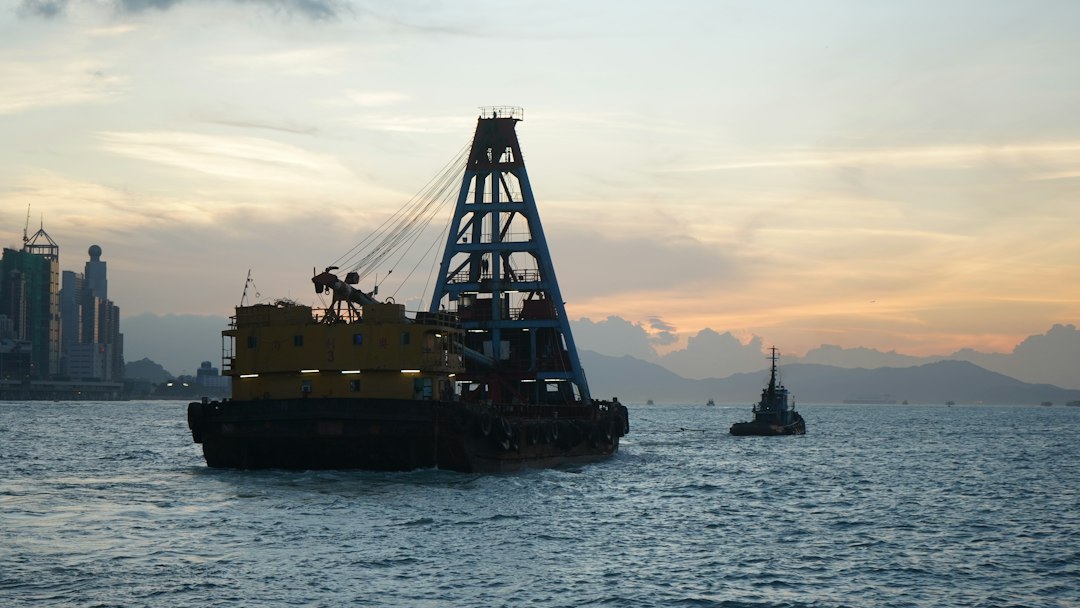
Despite a challenging market characterized by flat demand, Maersk reports operating at around 96% of its capacity not due to increased shipping demand, but rather due to delays that have burdened the system. Hore emphasized that delays in releasing freight through ports are consuming a large portion of global fleet capacity. “The whole system is delayed,” he remarked, pointing to significant bottlenecks affecting both shipping and inland distribution networks.
This adaptation is viewed as vital for achieving efficiency in maritime transport, yet it may inadvertently cause short-term congestion in European ports, particularly as newly routed ships from Suez intersect with slower vessels coming around the Cape.
Broader Implications for Logistics Infrastructure
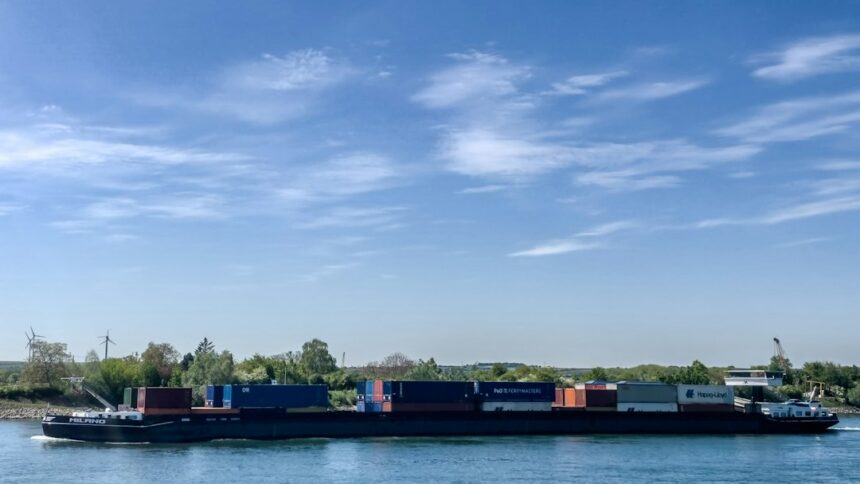
Hore highlighted that the congestion experienced is not limited to marine traffic but extends to rail, road, and barge systems relied upon for inland logistics. Europe is facing significant trucking shortages, rail capacity constraints, and infrastructure disruptions. Such issues are also evident in key markets across the United States, India, and South America. This structural congestion limits the ability to efficiently move containers from ships through ports and onto distribution systems.
Maersk is taking proactive measures, investing in terminal capacities near crucial chokepoints like the Panama Canal. These investments are aimed at mitigating risks to supply chain continuity even as operational costs rise. “It’s now about keeping supply chains running effectively for our customers,” Hore stated, pointing to the evolving dynamics of market demands and operational capabilities.
Behind the Headline
The strategic enhancement of Maersk’s Suez Canal operations mirrors broader trends in the shipping industry, where optimizing route efficiencies is paramount amidst persistent global constraints. Operators and logistics providers face the dual challenge of addressing immediate congestion while planning long-term investments in infrastructure. As the industry navigates these complexities, future market movements will depend on the ability to streamline operations across both maritime and inland logistics systems. The rise in shipping via the Suez Canal could signal a shift in global trade patterns, warranting close monitoring by industry stakeholders.