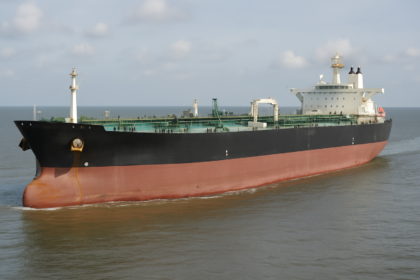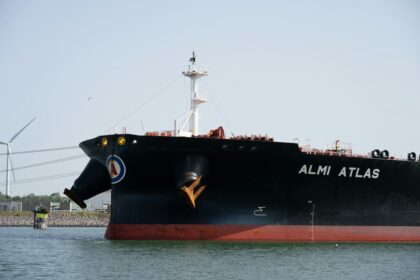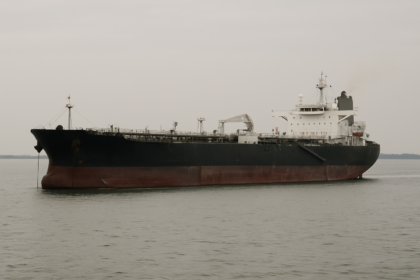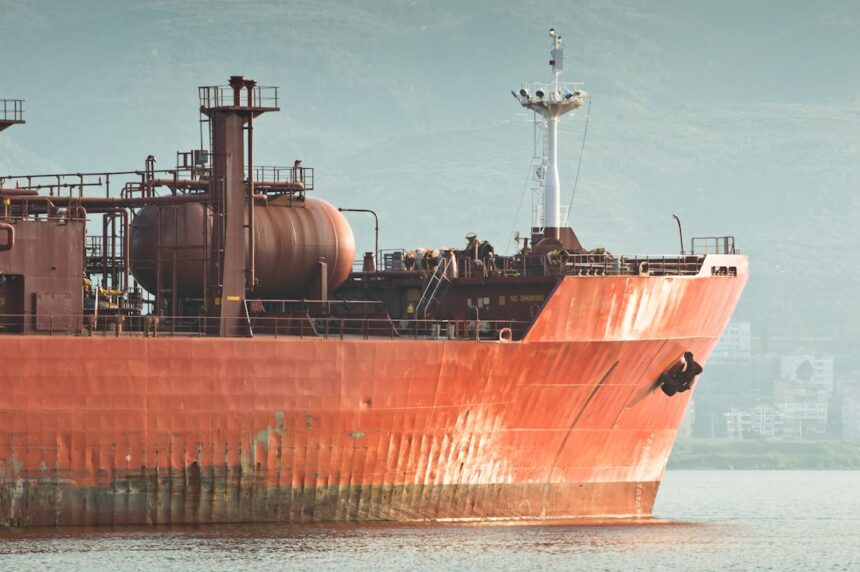
Shell has reported a dramatic increase in its shipping lease liabilities, amounting to $5.4 billion during the third quarter of this fiscal year, as soaring tanker freight rates continue to disrupt financial forecasting across the oil sector. This significant rise underscores the mounting costs associated with oil transportation amidst an unstable maritime market.
The Financial Context
The sharp uptick in tanker rates has prompted oil majors, including Shell, to reevaluate their financial strategies as operating margins thin under the pressures of increased shipping costs. The impact on refining margins has been palpable, as firms grapple with the consequences of escalating freight expenses, which have strained overall profitability. The non-cash increase in liabilities is attributed to long-term lease agreements on tanker vessels, with market rates having spiked substantially over recent months.
Wider Industry Implications
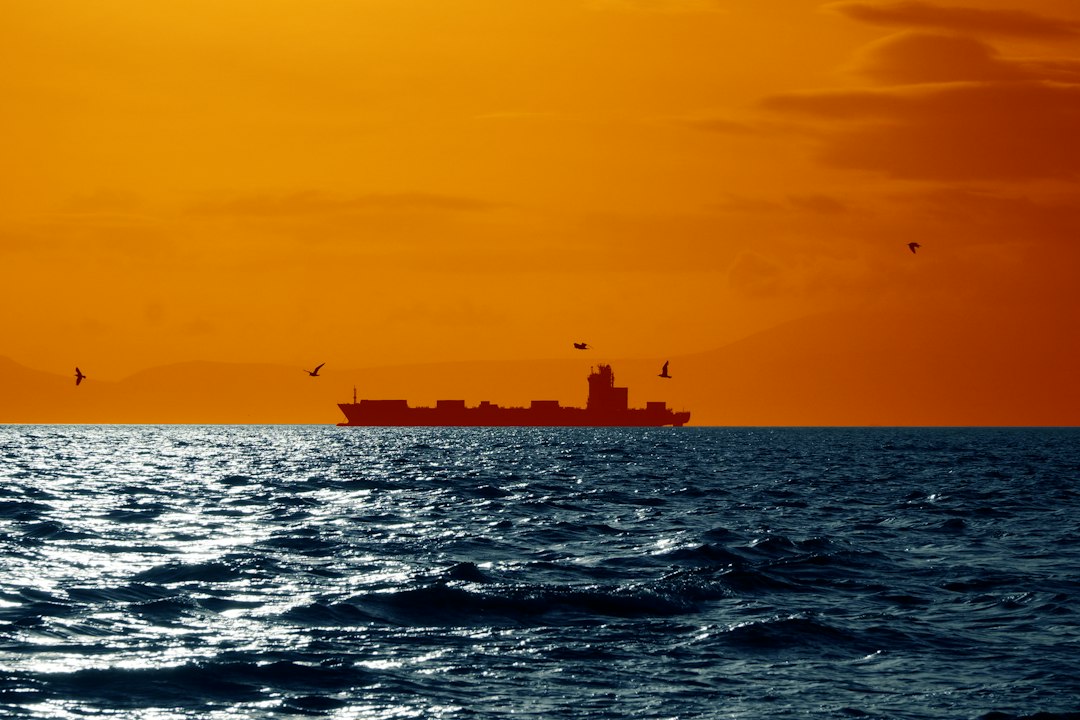
As oil majors report these substantial liabilities, the ripple effects could lead to increased prices for crude and refined products. This scenario creates a challenging landscape for oil trading as companies navigate losses on trading positions while adjusting to new market dynamics. Several key market factors such as supply chain interruptions, geopolitical tensions, and a surge in global demand post-pandemic are contributing to this volatility.

Market Outlook
In light of the current environment, oil companies may be prompted to explore alternative shipping arrangements or invest in refining capacities to mitigate the impact of volatile tanker rates. Strategies may also shift towards enhancing logistics efficiency to reduce dependence on freight cost fluctuations. The scrutiny on shipping expenditures is likely to continue as companies strive for profitability amidst disarray in the tanker market.
Behind the Headline
The rising shipping liabilities reported by Shell reflect a broader trend affecting oil companies globally. As freight rates soar, the operational realities for shipping operators and charterers become increasingly complex. Increased operational costs influence negotiations surrounding charter parties, while the potential for sustained elevated rates may compel operators to explore innovative solutions, such as dual-fuel vessels or other efficiencies. Market participants should monitor how companies adapt to these pressures and their impact on overall oil market dynamics.