Update 28 Aug 2026, 10:34 UTC:
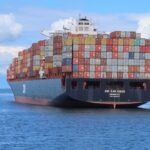
Shipping costs for Pakistani goods destined for the United States have witnessed unprecedented increases, with freight rates climbing more than 200% in recent months. With costs soaring to as high as $7,900 per 40-foot container, the situation poses a significant challenge to exporters, particularly in the textile industry, which serves as Pakistan’s largest export sector.
Surge in Freight Rates
Data from the Pakistan Ship’s Agents Association (PSAA) indicates that freight rates for shipments to the US East Coast have jumped 201%, reaching $6,320 per 20-foot container from $2,100 at the beginning of the year. Similarly, rates for 40-foot containers have increased by 216%, rising from $2,500 to $7,900. Comparable spikes are observed for shipments to the US West Coast, where prices for 20-foot containers have risen 201% to $5,120 and 40-foot containers now cost $6,400, a 220% increase.

The relentless rise in costs is primarily attributed to elevated war-risk insurance premiums linked to the ongoing conflict involving the United States and Iran. Syed Tahir Hussain, secretary-general of the PSAA, emphasized that the rising costs of insuring vessels against regional risks heavily influenced the surge in freight rates, in addition to the rising expenses associated with bunker fuel.
Impact on Textile Industry
Pakistan’s textile manufacturers are feeling the heat of these surging freight costs at critical junctures. The All Pakistan Textile Mills Association (APTMA) has noted that the actual freight increases some exporters are facing are even more pronounced, with costs rising astronomically to between $12,000 and $13,000 for transits from Karachi to major US ports.
Many textile producers operate on Cost and Freight (CNF) terms, meaning they bear the additional shipping costs themselves, unable to transfer them to buyers. This dilemma places immense strain on profit margins, with the increased logistical expenses not easily recouped from pre-established contracts. Inland freight costs have similarly surged, complicating logistics from production hubs in Punjab and Khyber Pakhtunkhwa to Karachi port.
Market Outlook
Although Pakistan was recently removed from a global high-risk maritime list, which could potentially alleviate some war-risk insurance premiums, the broader implication of increased operational costs across the region remains significant. The current economic landscape for exporters may lead to a potential loss of billions of rupees if disruption persists.
As vessel operators and exporters navigate these challenges, close attention will be paid to the evolving geopolitical landscape and its impact on shipping logistics. The implications for both operators and the wider shipping market are profound, highlighting the critical need for adaptive strategies in an increasingly volatile environment.
Behind the Headline
The substantial rise in shipping costs underscores a deeply interconnected maritime economy where geopolitical strife directly impacts supply chain logistics. For operators and exporters, adapting to volatile freight rates demands robust risk management and strategic planning. The retention of fixed-rate contracts under current market conditions emphasizes the challenges operators face in recovering costs, and potential discontent among exporters could lead to long-term shifts in trade patterns. Stakeholders should monitor both insurance adjustments and the geopolitical situation closely, as these factors will significantly influence operational decisions moving forward.