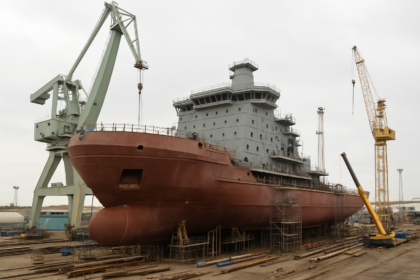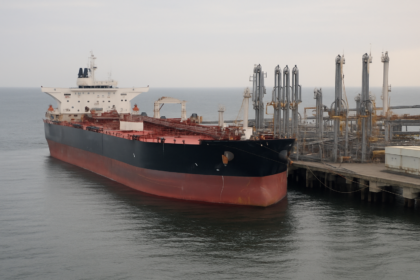
The container shipping industry is experiencing a substantial rise in new vessel orders, with certain operators now holding more orders than their existing fleet sizes. This growing orderbook trend raises important questions about capacity management and market dynamics.
The Fleet Capacity Challenge
According to shipping analyst Lars Jensen from Vespucci Maritime, this surge in newbuildings has resulted in several companies within Alphaliner’s top 100 operators reporting that their orderbook exceeds the total count of their current fleets. A notable example is Regional Container Lines, which has seen its orderbook reach 157% of its operational capacity.
This phenomenon may lead to significant repercussions for the container shipping market, including oversupply and potential repercussions for freight rates. Analysts underscore the need for operators to carefully assess their strategies in light of this capacity imbalance, which might further complicate an already turbulent market.


Market Implications
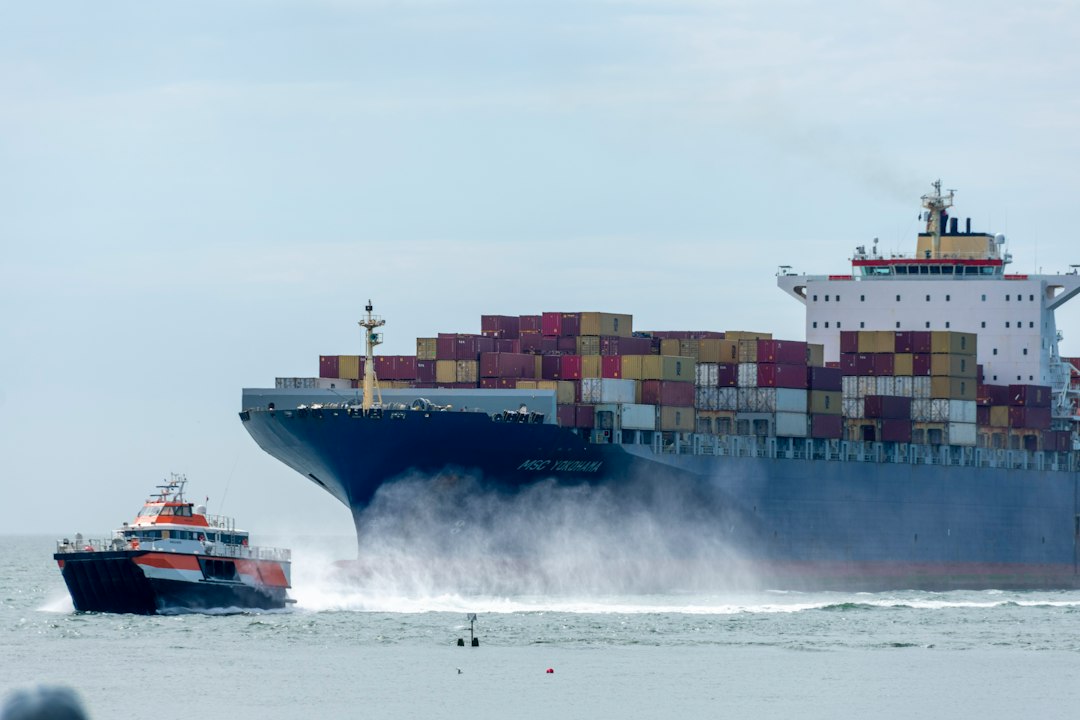
The implications of a rapidly expanding orderbook can be complex. As container shipping lines invest heavily in new vessels, concerns are being raised regarding operational efficiency and market stability. A predominance of new orders could result in a scenario where too many vessels compete for limited demand, driving down freight rates.
Operators will need to implement measures to maintain profitability and avoid detrimental impacts on existing charter markets. Understanding the timing of fleet expansion in relation to market demands will be critical as these new vessels begin to enter service.
Strategic Considerations for Operators
For shipping companies, navigating this challenging landscape will necessitate flexible planning and refined strategies regarding fleet deployment. Operators must balance their growth ambitions with the realities of market demand, particularly as consumer patterns shift in response to environmental regulations and economic fluctuations.
Stakeholders should monitor operational efficiencies, as well as potential restructuring and consolidation within the industry as companies respond to these emerging dynamics.
Behind the Headline
This significant orderbook increase reflects broader trends in the shipping industry, where expanding trade routes and market competition are spurring new investments. Operators must now consider the intricate balance of scaling their fleets while ensuring they do not saturate a market that remains volatile. Efficient fleet management and strategic use of laytime and demurrage will become more critical as this situation develops. The impact of these new orders on freight rates and service reliability is an important factor that stakeholders need to track closely in the coming months.