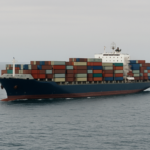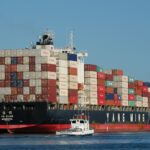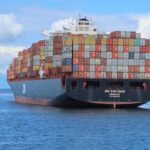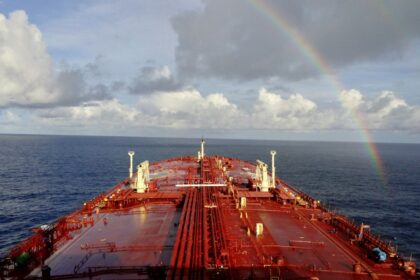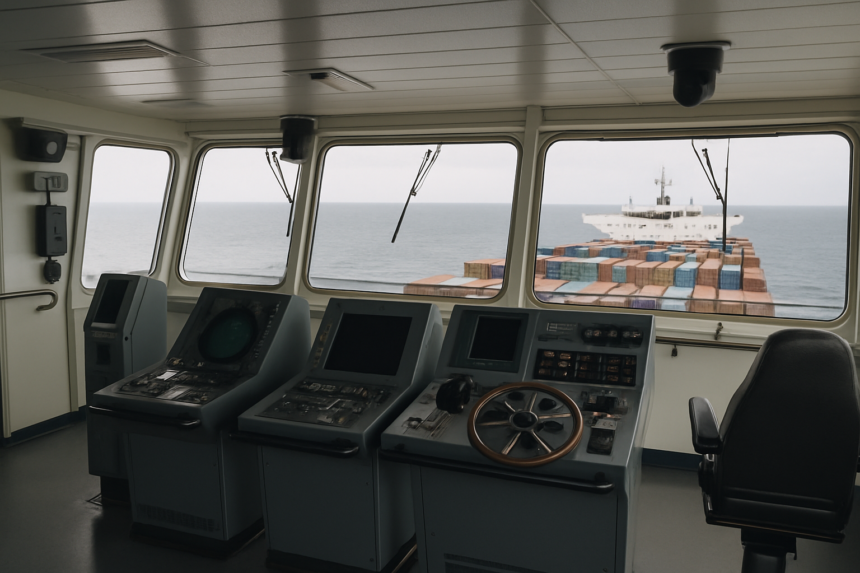
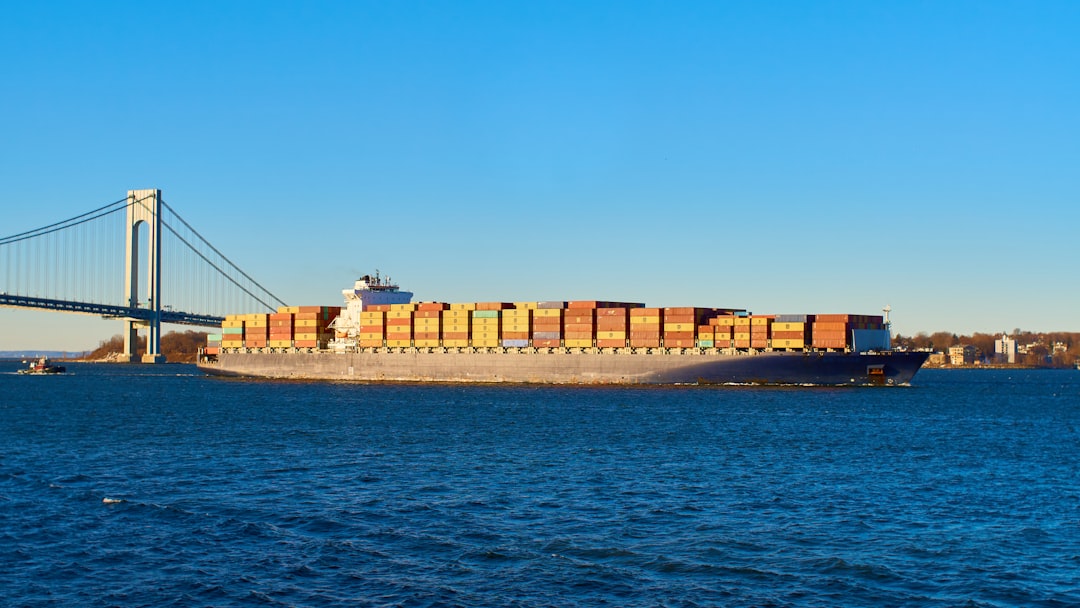
Lloyd’s Register (LR) has awarded Approval in Principle (AiP) to HD Hyundai Samho for a novel container ship design incorporating a remote camera system. This development was noted at Posidonia 2026. The system aims to deliver a continuous 360-degree field of vision around a container vessel, addressing visibility challenges posed by increasing container stack heights.
The Importance of Visibility
As operators strive to enhance cargo efficiency, elevated container stacks often create blind spots, compromising visibility from the wheelhouse. The LR’s NAV1 compliance guidelines impose a stringent requirement for an unobstructed 360-degree field of view from the bridge, which often restricts the maximum container intake a vessel can accommodate. This innovative approach seeks to transcend the limitations of traditional bridge design to support safer navigation in congested and restricted waters.
Streamlining Certification and Safety
The project offers a structured pathway to certification for shipyards, emphasizing the integration of digital navigation technologies from the design phase. By utilizing system design, risk assessment, and configuration review, camera-based vision capabilities can be aligned with NAV1 requirements. This ensures that operators can deploy these advanced technologies confidently without compromising safety or regulatory standards.

Sung-Gu Park, President – North East Asia at Lloyd’s Register, emphasized the maritime industry’s shift towards digitization and connected operations. He stated, “What owners and builders need now is clarity on how these systems will be assessed and approved. This work helps bridge that gap, turning new technology into something that can be applied with confidence.” Similarly, Hakmu Shim, Executive Vice President of HD Hyundai Samho, noted that this collaboration enhances their ability to integrate advanced digital navigation capabilities, thereby reducing technical risks and facilitating more efficient vessel design delivery.
Behind the Headline
This initiative exemplifies the maritime sector’s ongoing transition to digitally enabled operations. As container vessels continue to grow in size and stacking height, the demand for improved visibility has never been more critical. Enhanced situational awareness through innovative camera systems not only addresses safety in navigation but also assists operators in achieving optimal container loading efficiency. The industry’s readiness to embrace such technologies, underpinned by compliance frameworks like NAV1, highlights the proactive steps being taken to navigate the challenges of modern shipping. Stakeholders should monitor the implementation of these systems, which may influence future vessel designs and operational protocols significantly.