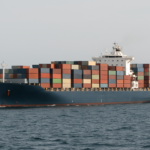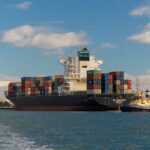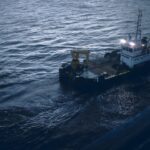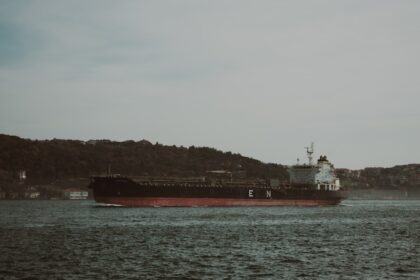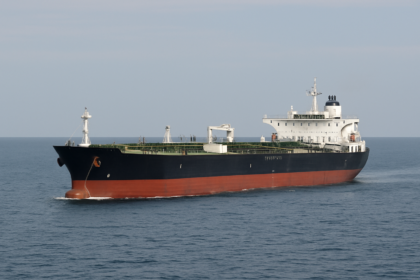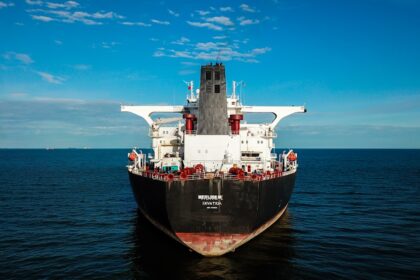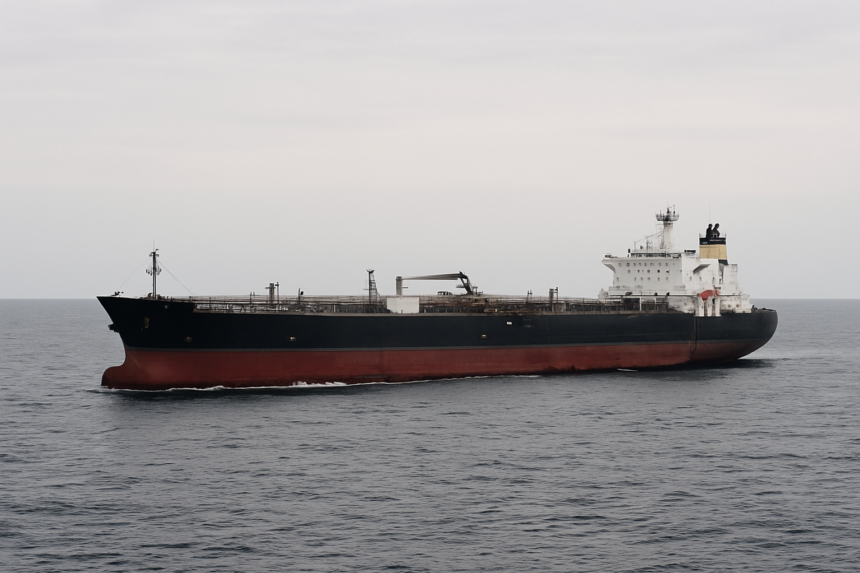
On June 25, France’s navy intercepted and seized the oil tanker Deliver off Sicily, identifying it as part of Russia’s ‘shadow fleet,’ which operates to bypass EU sanctions on the Kremlin.
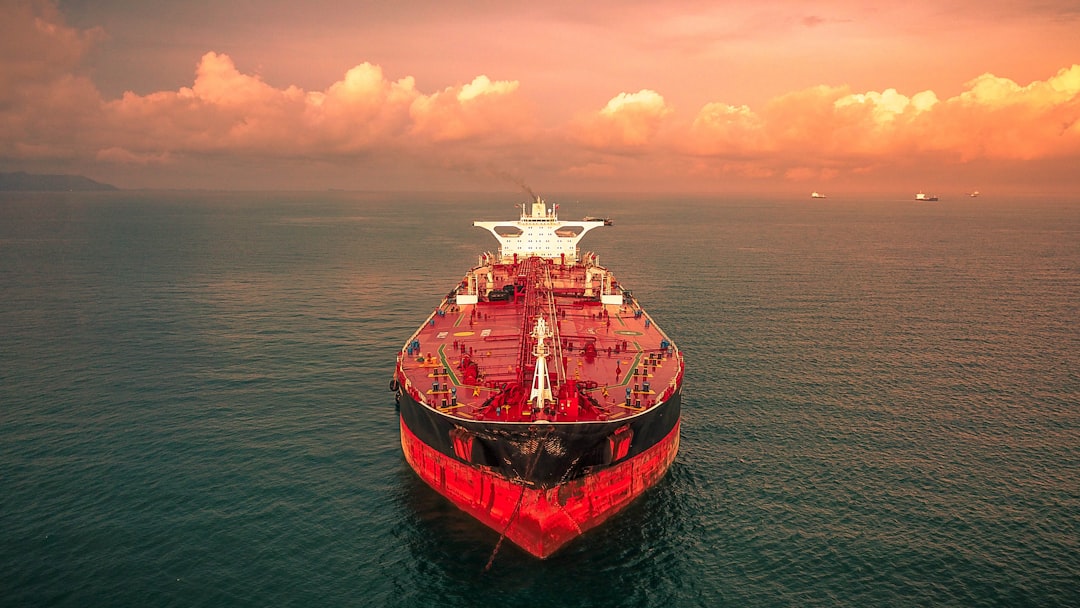
This action marks an increased effort by European nations to enforce sanctions amid the ongoing conflict in Ukraine. Since the beginning of 2026, nine tankers allegedly associated with the shadow fleet have been captured across Europe, with France enacting four of these seizures alone. This marks a significant escalation in the maritime enforcement of sanctions against Russia’s oil and gas transport mechanisms.
The Seizure
The Deliver was apprehended while en route from Primorsk, one of Russia’s key oil export terminals, towards the Suez Canal, with destination set for Singapore. French President Emmanuel Macron reaffirmed the determination of Europe to prevent the shadow fleet from financing Russia’s military actions following the seizure, emphasizing a collaborative European stance against illicit maritime operations.


Notably, the Deliver was operating under a Cameroonian flag. However, it had been removed from Cameroon’s ships registry just weeks prior, rendering it effectively stateless and in violation of international maritime law. This circumvention of legal guidelines allowed French authorities to act decisively.
Implications for Sanctions Enforcement
The use of flag of convenience by Russian vessels, particularly the exploitation of flags like Cameroon’s, underscores a challenge for international maritime law and sanctions enforcement. Cameroonian officials have raised concerns over the misuse of their flag by entities linked to sanctioned activities, intensifying scrutiny over compliance and accountability in maritime practices.
In the broader context, as European nations negotiate a twenty-first package of sanctions against Russia, the effectiveness of these new measures remains to be seen. Despite increased inspections and detentions of vessels across vital maritime routes such as the Baltic Sea and the Mediterranean, Russia continues to export significant volumes of oil to countries like India and China, often at discounted rates, which some experts argue undermines the impact of the sanctions.
The Operational Read
The recent seizure of the Deliver highlights critical operational challenges in maritime enforcement against sanctioned entities. It underscores the complexities surrounding flag regulations and ownership opacity that enabled the vessel’s operation. Operators must remain vigilant as compliance with international law becomes even more crucial amidst stringent sanctions regimes. Monitoring maritime movements and the activities of shadow fleets will be paramount, as non-compliance can lead to heightened risks and increased scrutiny from authorities. The international shipping community should prepare for continuing disruptions and adjust strategies accordingly to mitigate risks associated with sanctions enforcement.